8 things people who always arrive ten minutes early to everything - not to be punctual or impressive but to have those ten minutes alone in the room before anyone else gets there, adjusting to the lighting, choosing a seat, letting their nervous system register that this space is safe before it fills with voices and decisions and the particular exhaustion of being perceived - do according to psychology, because a child who was overwhelmed by walking into rooms already in progress learned that the only way to survive a gathering was to arrive before it became one
I used to tell people I was early because I hated being late. That sounded reasonable. It sounded like discipline, like good character, like something my parents taught me.
But if I’m honest - really honest - I was never afraid of being late. I was afraid of walking in.
Walking into a room that was already humming with conversation, where people had already chosen their seats and settled into the temperature of the place, where the energy had already been established without me in it. That was the part that made my chest tighten. Not lateness. Entry.
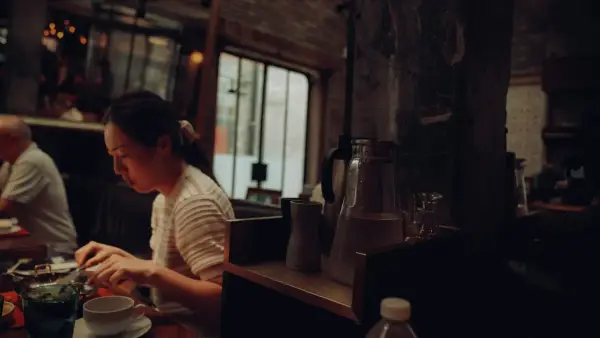
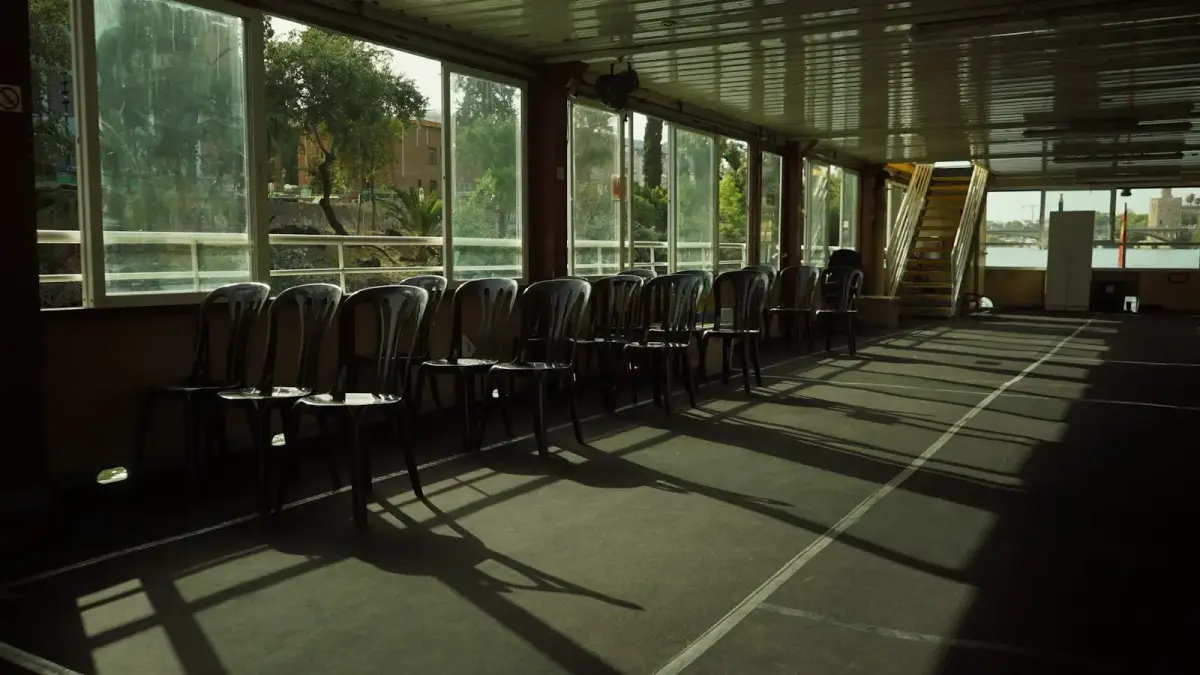
So I started arriving before anyone else. Ten minutes, sometimes fifteen. Enough time to sit with the empty chairs. To notice the lighting. To let my body understand that nothing here was going to hurt me before I had to start performing the version of myself that other people expected.
I thought this was a quirk. Something slightly embarrassing. Then I started studying developmental psychology, and I realized it wasn’t a quirk at all. It was a strategy - one that millions of people use without ever understanding where it came from or why it works so well.
Here are eight things that early arrivers do, according to psychology, that reveal something much deeper than punctuality.
1. They scan environments before inhabiting them
If you arrive early, you probably do something in those quiet minutes that looks like nothing. You look around. You notice where the exits are. You register the acoustics, the temperature, the way the light falls across the room.
This isn’t idle observation. A 2019 study published in Frontiers in Psychology found that individuals with heightened sensory processing sensitivity - what researcher Elaine Aron calls “highly sensitive people” - process environmental stimuli more deeply than their peers. They don’t just see a room. They feel it.
Those ten minutes alone aren’t wasted time. They’re your nervous system doing what it needs to do - cataloguing the space, determining whether it’s safe, and building a sensory map that will allow you to relax once other people arrive.
You’re not being anxious. You’re being thorough.
2. They choose their seat like it matters - because it does
Watch an early arriver pick a seat and you’ll see something that looks almost ritualistic. Not the center. Rarely the front. Usually somewhere with a clear sightline to the door, a wall behind them, and enough space on at least one side to breathe.
This isn’t random preference. It’s a spatial regulation strategy rooted in what psychologists call “territorial behavior” - the way humans manage their sense of safety through physical positioning. You learned, probably very young, that where you sat in a room determined how much of your energy you’d spend managing discomfort versus actually engaging.
A corner seat with your back to the wall isn’t antisocial. It’s your body saying: I need to feel contained before I can feel connected.
And the fact that you figured this out without anyone teaching you is remarkable.
3. They regulate their breathing without realizing it
If you could film yourself during those early minutes, you’d notice something. Your breathing changes. It slows. It deepens. Your shoulders drop a quarter inch. Your jaw unclenches.
You are, without any formal training, doing what clinical psychologists spend years teaching their patients: you’re giving your vagus nerve time to shift from sympathetic activation (fight or flight) to parasympathetic calm (rest and digest). Stephen Porges’ polyvagal theory explains this beautifully - your autonomic nervous system needs environmental cues of safety before it can downregulate.
An empty room is the safest environment your nervous system can find. No unpredictable voices. No sudden movements. No need to track six conversations and three facial expressions simultaneously.
Those ten minutes of quiet breathing aren’t a waste. They’re the reason you can show up as your full self once the room fills.
4. They rehearse transitions instead of avoiding them
Here’s what most people don’t understand about early arrivers: you’re not avoiding the social event. You’re rehearsing your entrance into it.
By arriving early, you get to experience the room filling up gradually - one person, then two, then a small cluster. Each new arrival is a manageable addition to a space you’ve already claimed. Compare this to walking into a room already full of people, where every head turns and every conversation pauses for half a second, and you can feel twenty nervous systems registering your presence at once.
Developmental psychologists have long studied what they call “transition sensitivity” - the difficulty some children have moving between environments, activities, or social contexts. A 2021 study in the Journal of Research in Personality found that adults who reported difficulty with childhood transitions were significantly more likely to develop elaborate pre-arrival rituals as adults.
You didn’t learn to be early. You learned to build a bridge between solitude and company, and you walk across it slowly every single time.
5. They treat empty spaces as emotionally neutral ground
There’s a reason you feel more like yourself in a room before anyone else arrives. An empty room has no expectations. No one is watching you decide where to put your bag. No one is evaluating whether you look comfortable or awkward or like you belong.
Psychologist Erving Goffman called this the difference between “frontstage” and “backstage” behavior - the version of yourself you perform for others versus the version that exists when no one is watching. Early arrivers instinctively seek backstage time in frontstage environments.
You need a few minutes to exist in the space as yourself before you have to exist in it as the person other people see.
This isn’t deception. It’s preparation. And it takes more self-awareness than most people will ever develop.
6. They carry a childhood template of rooms as overwhelming
If you trace this pattern back far enough, you’ll usually find a child who experienced rooms - classrooms, family gatherings, birthday parties - as sensory events rather than social ones.
Not dangerous, necessarily. Just loud. Bright. Unpredictable. Full of currents you could feel but couldn’t name. A child who walked into a Thanksgiving dinner already in progress and felt the wall of noise and emotion hit them like weather.
Gabor Mate has written extensively about how children who are neurologically sensitive develop coping strategies that look like personality traits. The child who always wanted to arrive at school before the bell wasn’t rigid or anxious - they were managing a nervous system that processed group energy at a depth most adults never reach.
You carried that child’s strategy into adulthood. And honestly, it still works. That’s not a failure to grow up. That’s evidence that your younger self was paying attention.
7. They experience “perception fatigue” faster than others
There’s a specific kind of tiredness that early arrivers know well. It’s not physical exhaustion. It’s not even social exhaustion in the way most people mean it. It’s the fatigue of being perceived - of having your presence registered, interpreted, and responded to by other nervous systems.
A 2022 study published in Psychological Science found that individuals high in sensory processing sensitivity showed greater activation in brain regions associated with empathy and awareness of others’ emotional states. In other words, you’re not just in a room with people. You’re feeling every person in that room, constantly, whether you want to or not.
Arriving early doesn’t prevent this fatigue. But it delays its onset. Those ten minutes of unobserved existence are like a buffer - a reserve of calm that you draw down throughout the event.
By the time you’re ready to leave, you’ve been working harder than anyone in the room realizes.
8. They’ve built an entire life around making overwhelming things survivable
This is the one that matters most. Because arriving early isn’t an isolated behavior. If you do this, you probably do a hundred other things that serve the same function.
You probably text before you call. You probably read the menu online before you go to the restaurant. You probably check the guest list before a party, not because you’re controlling but because knowing who will be there lets your nervous system prepare for the specific energy of those people.
You’ve built an infrastructure of predictability around yourself - not because you can’t handle chaos, but because you’ve learned that a little preparation lets you bring your best self to situations that would otherwise drain you before they even begin.
Susan Cain writes about this in her research on introversion - the way quiet people don’t lack social capacity but rather manage it differently, spending it with more intention and recovering from it with more deliberateness.
You are not high-maintenance. You are high-awareness. And there is a world of difference between the two.
If you recognized yourself in this article, I want you to sit with something for a moment.
You’ve probably spent years explaining away your earliness as politeness or habit or just “the way I am.” You’ve probably felt slightly embarrassed by it - by the way you need those ten minutes, by the way a room that’s already full makes your chest tighten, by the way you’ve structured so much of your life around arriving before things begin.
But what you’ve actually done is something most people never learn to do. You’ve listened to your own nervous system. You’ve honored what it needs. And you’ve found a way to show up fully in a world that wasn’t designed for the depth at which you experience it.
That’s not a flaw. That child who needed to get to the classroom before the bell - they were brilliant. They figured out, without any help, how to make an overwhelming world survivable.
And you’re still using their wisdom every single day.