Relationships
Attachment, love, boundaries, and the quiet dynamics that shape how we connect.
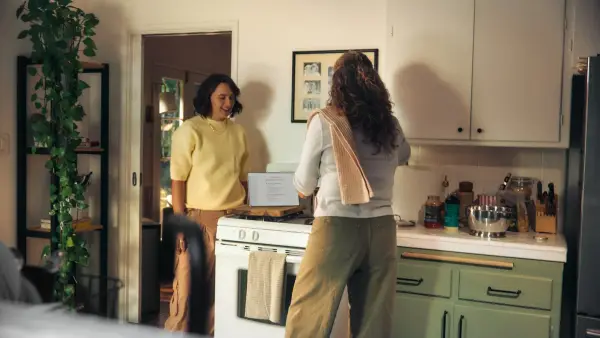
Children who always positioned themselves between their parents when an argument was building - who stood in the kitchen doorway, sat in the middle of the backseat, or placed their small body in the exact center of whatever room held the tension - often become adults who instinctively step between any two people in conflict, not because they are brave or diplomatic but because a child who learned that her presence was the only ceasefire available never stopped offering herself as the territory where two opposing forces agreed to stop advancing
There is a particular kind of man who mows his elderly neighbor's lawn without being asked - who finishes his own yard and then pushes the mower across the property line as if the grass does not know where one man's responsibility ends and another's begins - not because he is generous or neighborly but because a boy who watched his father shovel the widow's driveway at five in the morning before anyone was awake to thank him learned that a good man's kindness is something you perform in the dark, never something you announce in the daylight
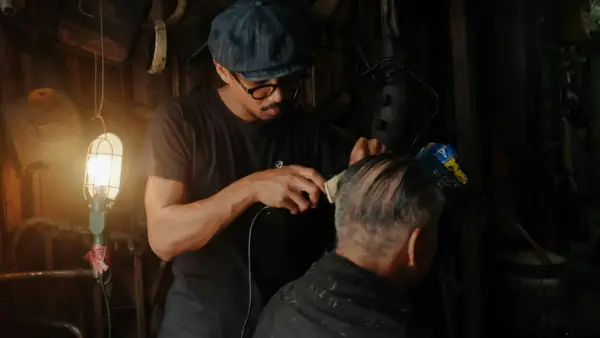
There is a particular kind of man who has never once said the words 'I don't know' in front of his children - who answered every question at the dinner table with complete authority whether he was certain or guessing, who gave directions from memory rather than stopping to ask, who made confidence a gift he wrapped around everything he was not sure about - because a boy who watched his own father's uncertainty get treated as a character flaw learned that a man's knowledge is not what he actually knows but what he is willing to perform for the people who depend on him
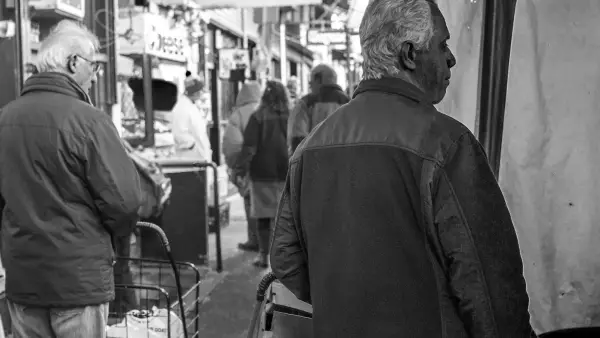
There is a particular kind of marriage that only reveals itself at the hardware store on a Saturday morning - two people who have been together so long they move through the aisles without speaking, one reaching for the light bulbs while the other already knows the filter size, navigating the entire errand like two instruments in the same orchestra, because thirty years of loving someone can look less like passion and more like a man who already knows which checkout lane his wife will choose before she turns the corner
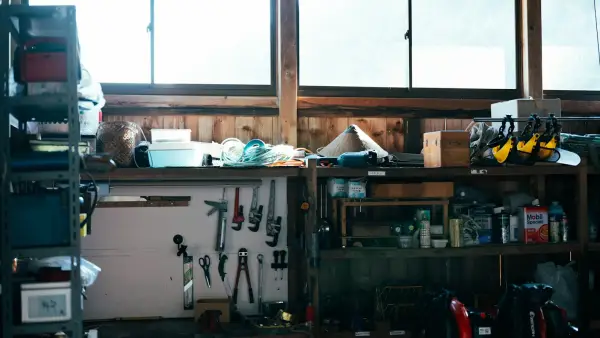
He is 63 and just realized he has kept every tool his father ever owned in a box in the garage - the rusted pliers, the cracked level, the tape measure with the broken clip that has not measured anything since 1987 - not because any of them still work but because a boy who never once heard his father say the words I love you learned to find those words in the things his father's hands had touched, and a man who opens that box twice a year and holds a wrench that has not turned a bolt in thirty years is not being sentimental but visiting the only language his father ever spoke

She is 59 and has just realized she has spent her entire marriage pretending she does not know how to use the lawnmower, the power drill, or the circuit breaker - not because she is helpless or incurious but because a girl who watched her mother carefully preserve her father's sense of usefulness in the household learned that a woman's competence is something you reveal selectively, in doses that never threaten the balance of a home built on the unspoken agreement that he fixes and she manages
He is 63 and just realized he has never told his wife she is beautiful on a Tuesday - never on an ordinary morning when she is standing at the kitchen counter in the same shirt she slept in, never on a regular afternoon when she is reading on the couch with her glasses pushed up into her hair - because a boy who watched his father save every compliment for company learned that admiration was a performance you gave an audience, not a private truth you offered the person standing next to you in the quiet of your own kitchen
He is 66 and just realized he has greeted his adult sons with a handshake at every airport arrival, every holiday visit, and every Sunday dinner for their entire lives - not because he does not love them or even because he is cold but because a boy who grew up in a house where his father's hand was the closest thing to an embrace he was ever offered learned that the distance between a handshake and a hug is not measured in inches but in permission, and a man who was never shown that his arms were allowed to reach further than his palm has spent forty years standing exactly one handshake away from the tenderness his sons have been waiting for

Psychology says the person who always falls asleep last in the house - who lies awake listening until her partner's breathing settles, who checks the lock one final time, who makes sure every phone is charging and every window is latched before she closes her own eyes - is not an insomniac or a worrier but someone who learned as a child that the house was only truly safe when one person stayed conscious to keep watch, and she has spent her entire adult life volunteering for a shift nobody assigned

There is a particular kind of grief that lives inside a voicemail you cannot delete - it is not the words that matter but the voice, the breath, the pause before love you - the last place on earth the person who left still exists in sound
Children who always sat in the same seat at the dinner table and felt their stomach drop the one time someone else sat there - who had a spot on the couch, a side of the car, a corner of the classroom that was theirs without anyone declaring it - often become adults who cannot settle into any room until they have found the one chair that lets their nervous system stand down, because a child who grew up in a house where everything shifted without warning learned that the only constant was where her body was allowed to land

There is a particular kind of conversation that only happens in the car on the way home from a family gathering - the one where you finally say what you actually thought about what your sister said at the table, where the sentences start tumbling out the moment you pull out of the driveway, where the car becomes the one room in the world where you are allowed to have the opinion you spent three hours swallowing - and the reason you always wait until the doors are closed and the road is moving beneath you is that a child who learned to hold her tongue at the dinner table never stopped needing an enclosed, moving space to make honesty feel safe enough to say out loud
There is a particular kind of grocery shopping that happens after your last child moves out - you still reach for the cereal nobody eats anymore, still pick up the yogurt only she liked, still pause in the snack aisle thinking of someone who now has her own kitchen three hundred miles away - and the reason you keep buying for a table that seats four but serves two is not forgetfulness but a body that still believes love is something you prove by what you carry through the door
There is a particular kind of wealth that has nothing to do with money and everything to do with the person who knows how you take your coffee without asking, who hands you the right mug without being told which one, who remembers that you cannot eat walnuts and checks the menu before you do, and the reason these invisible acts of memorization bring you closer to tears than any grand gesture or anniversary gift ever could is that they are proof of someone who has been studying you for years the way a person studies a landscape they have decided to live in forever
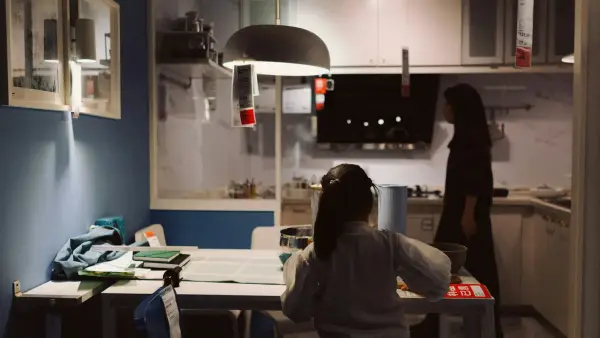
There is a particular kind of loneliness that arrives not when someone leaves but when someone stays and stops reaching for you - when the body beside you in bed is still warm, still breathing, still present in every measurable way, but the hand that used to find yours under the covers sometime around midnight has quietly, without announcement or explanation, stopped searching

There is a kind of conversation that only happens in a car at night, when the dashboard is the only light and neither person is looking at the other, and the reason we say things at seventy miles an hour that we could never say across a dinner table is that eye contact was the first thing our nervous systems learned to associate with being held accountable for the truth, and the dark cabin of a moving vehicle became the only confessional most people ever trusted
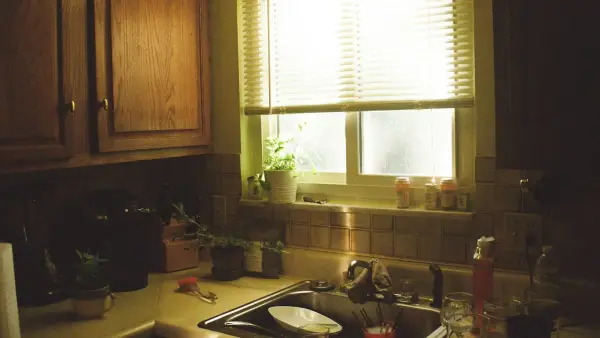
There is a particular kind of love that only exists in the sound of someone else moving through the house while you sit perfectly still - the footsteps upstairs, the kitchen faucet running, a cabinet door closing with the specific weight of the person who knows where everything is - and the reason that sound can bring you closer to tears than anything they have ever said out loud is that presence without performance is the rarest form of intimacy most people never learn to name
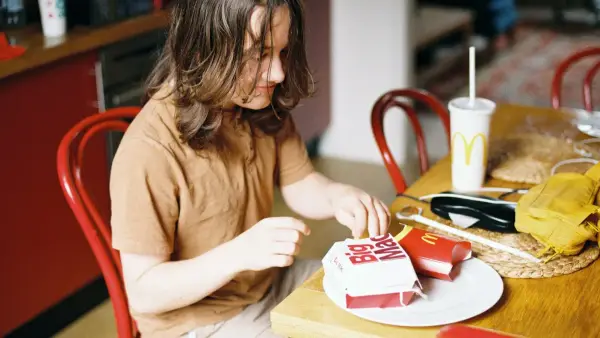
She's 59 and just realized she has never once told her husband what she actually wants for her birthday - she always says 'you don't have to get me anything' or 'surprise me' or 'just dinner is fine' - because a girl who watched her mother wave away every gift and insist she needed nothing learned that wanting something out loud was the same as burdening the person who loved you, and the woman at fifty-nine who says 'anything is fine' is still the child who decided the safest wish was the one that asked nothing of anyone

Children who always gravitated toward the oldest person in any room - who chose the grandmother's lap over the playground, who sat beside the elderly neighbor while other children played outside - often become adults who carry every goodbye like a rehearsal, because a child who found the safest connection in the slowest person in the room never stopped listening for the heartbeat underneath the story
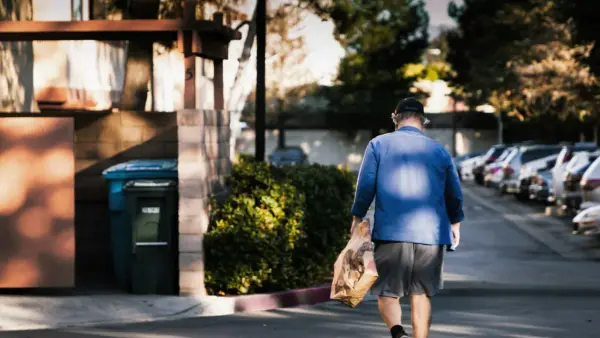
Psychology says the man who always offers to carry the heaviest bag - who reaches for the suitcase before you've touched the handle, who insists on making two trips so you don't have to make one - is not being chivalrous or controlling, he is a boy who learned that the only love his father ever modeled was labor, and carrying something heavy became the only sentence he knows how to say in a language he was never taught to speak
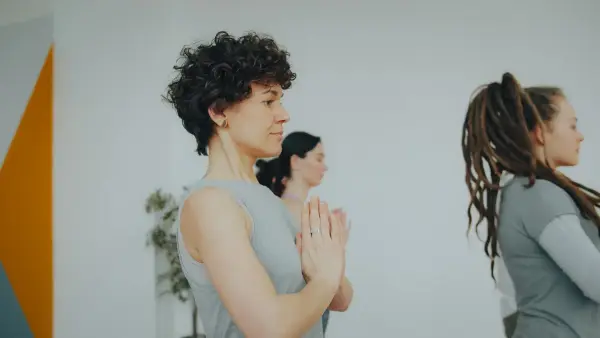
Children who always stepped between their parents during arguments - who learned to read the tempo of rising voices and intervene with a question or a distraction or a sudden need before the shouting reached the point where things got broken - often become adults who cannot sit in the same room as two people who disagree without physically positioning themselves to absorb the tension, because a child who appointed herself the family's emergency brake never learned how to let a conflict reach its own conclusion without her body in the middle of it

Psychology says the person who always texts 'let me know you got home safe' - who cannot go to sleep until the reply arrives, who lies in the dark watching the phone until the words 'I'm home' appear on the screen - is not controlling or overly attached, they are someone whose nervous system learned long before they had words for it that the people you love can leave a room and simply never come back
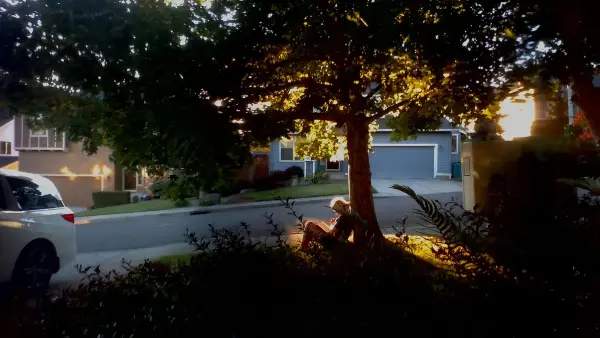
Psychology says the man who goes quiet after an argument - who retreats to the garage or sits in the car or takes the dog for a walk that lasts an hour and a half - is not shutting you out or punishing you with silence, he is doing the only thing a boy who was never given the vocabulary for what he was feeling learned to do when the feeling got too big for the room

Psychology says the woman who remembers everyone's birthday, everyone's food allergy, everyone's daughter's name - who carries the entire social architecture of every relationship she has ever been in - is not just thoughtful, she is a girl who learned that being indispensable was the only reliable way to guarantee she would not be left
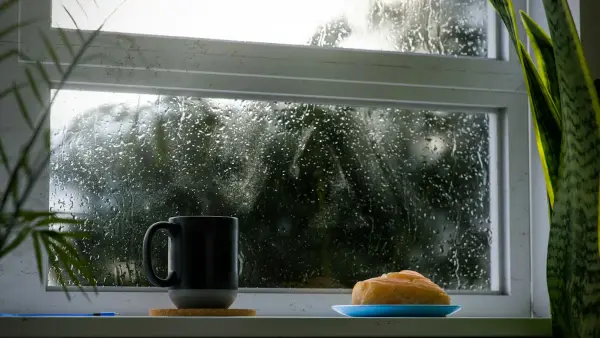
You started checking the weather for a city you have never visited because your daughter moved there in August, and now a cold front 900 miles away can ruin your Wednesday - because a parent's body never stops orienting toward the climate their child walks through, and geography rearranges the logistics of love but never the instinct
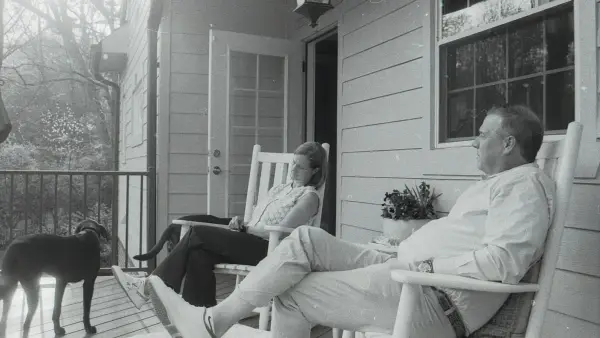
The longest friendships after fifty communicate almost entirely in shorthand - a four-minute phone call that covers everything, a link sent with no explanation because she already knows why, a single question mark when you've gone too quiet - and no one outside this language will ever learn to speak it because it took thirty years of showing up to write the dictionary

One of you grabs the keys while the other checks the back door. One puts on shoes while the other shuts off lights. Nobody assigned these roles. After decades together, leaving the house has become a silent duet you never rehearsed - and it might be the most honest love letter you have ever written to each other

The most honest conversations in a long marriage do not happen face to face - they happen side by side, in the car on a night drive when nobody has to look at anyone, at the kitchen sink when one is washing and the other is drying, in bed in the dark when the only thing visible is the ceiling and the only thing audible is the truth, because two people who spent thirty years learning each other's defenses discovered that the fastest way past them was to stop standing in front of them
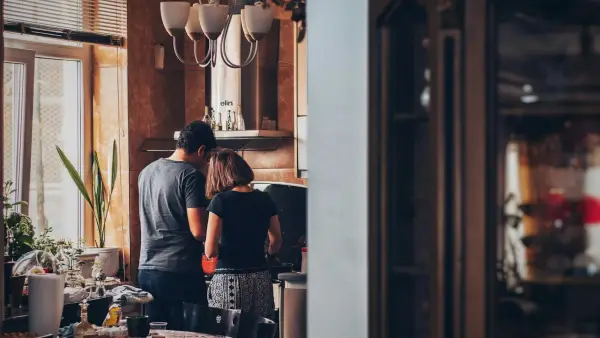
The kindest thing a long marriage teaches you is how to fight without winning - how to say the honest thing without needing to be right about it, how to disagree without building a case, how to be hurt without assembling evidence - because two people who have argued about the same small things for thirty years have not failed to resolve their differences, they have learned that some disagreements are just the furniture you eventually stop trying to rearrange

The love between adult brothers never announces itself, it lives in the phone call at 2am that neither one explains, the Saturday morning drive across town to help move a refrigerator when both would rather be sleeping, and the way one always knows when the other is lying about being fine because they learned to read the same face in the same mirror as children
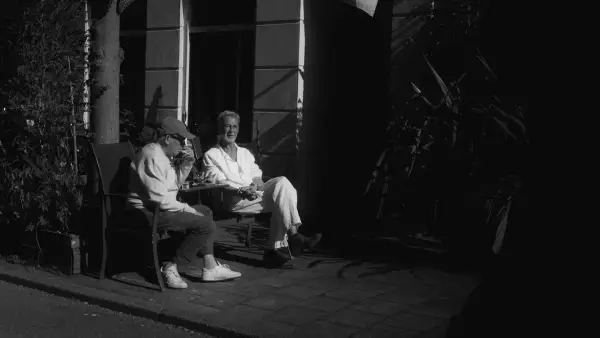
There is a kind of friendship that only exists between men who went through something hard together and never talked about it, and the bond is not built in conversation but in presence, in showing up without being asked, in sitting in silence and knowing that silence is the most honest language either of them has ever spoken

8 things that quietly change between siblings after their parents die - because the mother was the switchboard who routed every call, every holiday, every piece of news, and without her two people who shared a childhood discover the relationship was always carried by a woman no longer there
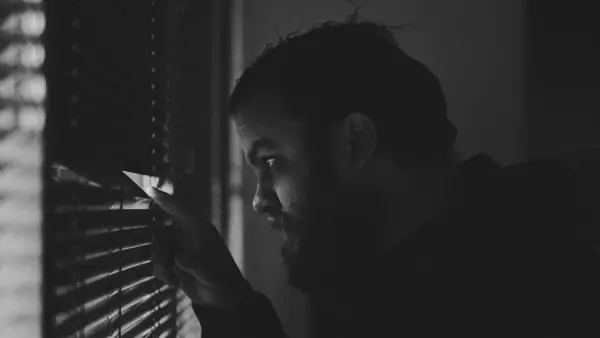
Psychology says the reason some men keep the phone numbers of people who have died - scrolling past the name every time they look for a contact, never deleting the entry, not because they have forgotten what happened but because removing the name would make it final in a way that the funeral somehow did not - is not denial or technological laziness but the last act of hospitality toward someone who can no longer arrive
He is 60 and has just realized that every time his wife falls asleep on the couch while they are watching television together, he turns the volume down one notch at a time until the room is nearly silent and then sits there watching her breathe, not because the show stopped mattering but because a boy who used to listen for his mother's breathing through the bedroom wall to make sure she was still alive never outgrew the part of him that needs to hear the people he loves still breathing before he can believe they are safe
He's 59 and has just realized that every time his wife asks 'what are you thinking about' he says 'nothing' - not because he is hiding something or feeling empty but because what he is actually thinking about is whether they have enough saved if one of them gets sick, whether the sound the furnace made this morning is the kind that costs three hundred dollars or the kind that costs three thousand, whether his daughter's boyfriend looks at her the way she deserves to be looked at, and whether the heaviness in his chest at the top of the stairs is something he should mention to someone, and the reason he says 'nothing' is that a boy whose father answered every question with 'nothing to worry about' learned that a man's job is to carry the full weight of the worry so the room never has to feel it

You have known the same man for thirty-five years, stood beside him at his wedding and his father's funeral, called every Sunday without fail, and the closest you have ever come to saying what you feel is the pause at the end of the call where neither of you hangs up first

There are women who know their marriage is good because their husband brings them coffee every morning without being asked - the same mug, the same amount of milk, set on the same corner of the nightstand before they open their eyes - and what nobody tells you about thirty years of being quietly taken care of is that the morning he forgets will not feel like a small thing but like the first sentence of a story she has been afraid of since the day she realized that the way he says I love you is by remembering how she takes her coffee

He's 60 and Has Just Realized That the Reason He Cannot Watch His Wife Struggle With Anything Without Immediately Taking It From Her Hands Is Not Chivalry or Control but the Emergency Protocol of a Boy Who Watched His Mother Do Everything Alone and Decided at Nine Years Old That No Woman in His Life Would Ever Carry Something Heavy While He Stood There With Empty Hands

He is 57 and has just realized that the reason he retells the entire plot of every movie, documentary, and podcast episode to his wife - including the parts that did not work and the scene that reminded him of something he cannot quite name - is not because he thinks she wants a two-hour summary delivered in eleven minutes standing in the kitchen but because a boy whose father never once asked 'what happened today' learned that experience does not become real until someone else has received the full account, and the man at fifty-seven narrating a film to a woman loading the dishwasher is not boring her but filing the only report that makes the hours he spent alone count as time that actually happened
She's 54 and has just realized that every time her adult children come home for the weekend she sleeps worse than any other night of the year - not because of the noise or the disrupted routine but because her nervous system reactivates the full overnight monitoring protocol it spent eighteen years perfecting, and the body never actually retired from the job of keeping them safe through the night
Relationships
There are women who cannot receive a favor without immediately beginning the quiet invisible work of finding a way to return it - who accept a neighbor's casserole and spend the next two weeks watching for a chance to bake something back, who receive a birthday gift and feel not gratitude first but a small urgent debt settle into their chest, because the girl who learned that kindness always arrived with an invisible invoice never discovered that some people give things away without keeping score
He's 62 and just realized that every time he tells his wife about his day, he edits out the parts that worried him - the chest tightness on the stairs, the word the doctor used that he hasn't looked up yet, the moment in the parking lot when he couldn't remember which row - because a boy who watched his mother's face reorganize itself every time his father mentioned a pain learned that a man's body was something other people worried about, and his job was to make sure they never had to
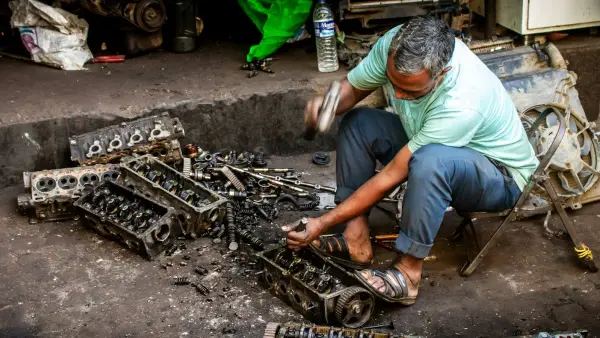
He's 63 and can name every component under the hood of a 1987 Ford pickup - alternator, intake manifold, timing belt, EGR valve, catalytic converter - but has never once found a word more precise than 'good' for what he feels when his wife laughs so hard she has to hold his arm, because the boy who watched his father describe engine trouble with the fluency of a poet and describe love with the vocabulary of a telegram learned that precision was for things, not people
8 things that quietly change about the way a daughter speaks to her mother after the daughter turns fifty - not the distance everyone warns you about or the role reversal everyone expects but the specific, measured tenderness of a woman who has started to hear her mother's voice the way you hear a song you have known your whole life when it begins playing from a little further away than it used to, according to psychology

He is 57 and has just realized that every time his wife says 'we need to talk,' his body goes cold before a single word of the conversation has been spoken - not because his wife is unkind but because a boy who only heard those four words when something was about to fall apart never learned they could also mean 'let's figure this out together'
He is 58 and has just realized that every time someone asks what he wants, he says 'I don't mind' or 'whatever works' or 'you choose' - not because he has no preferences but because a boy whose wants were always received as impositions learned before he could name the lesson that the safest version of himself was the one who never needed anything, and the man at fifty-eight who cannot tell his wife what he wants for dinner is not easygoing but someone who buried his desires so deep and so early he can no longer tell the difference between not caring and not being allowed to care
Psychology says people who always ask 'are you mad at me' after the smallest disagreement - who cannot let two hours of silence pass without checking, who interpret a partner's tiredness as withdrawal and a partner's distraction as punishment - are not insecure and are not needy, they are people who grew up in homes where silence was never just silence but the sound a house makes right before something breaks, and the question at forty-seven is not paranoia but a child's early warning system still listening for the crack

He's 57 and has just realized his adult daughter has not called him first in over a year - she answers every time, laughs easily, stays on the line - but the phone only ever rings in one direction, and he has finally understood that the reason he does not call more often is the same reason his own father never called at all: somewhere a boy learned that fathers wait to be needed rather than reaching toward someone they simply miss
He is 59 and has just realized that he has never once told his wife when something she said hurt him - not because he forgot, not because it passed, but because a boy who watched his mother cry every time his father expressed displeasure learned before he had language for it that a man's hurt feelings were a weapon whether he wanted them to be or not, and the silence at fifty-nine is not tolerance but a boy's conviction that his pain, expressed, would always cost someone else more than it cost him to carry
She is 64 and has just realized that every friendship she has ever maintained was one she initiated first - every phone call, every lunch, every 'we should get together' - and she has never tested what would happen if she stopped, because the answer might be silence
Psychology says people who always have a reason prepared for why they bought something - who say 'it was on sale' before anyone asks, who hide the shopping bag in the trunk and bring it inside after dark, who cannot walk through their own front door carrying something new without rehearsing the explanation for a question nobody is going to ask - are not careful with money and are not naturally frugal, they are children who grew up in houses where the cost of things was the opening line of every argument, and the woman at fifty-one who rounds down the price of everything she owns is not dishonest but still the girl whose body learned that spending was never just spending but the first piece of evidence in a case someone was always building against her

He's 60 and has just realized that every compliment he has ever given his wife has been about something she did, never about who she is - 'dinner was great,' 'you handled that well,' 'the house looks nice' - never once in thirty-two years has he said 'you are beautiful' or 'I am lucky' or anything that praised her existence rather than her output

Psychology says people who always fall asleep last - who lie awake listening to the house settle, who cannot close their eyes until every person they love is accounted for and breathing safely in the dark - are not insomniacs, they are running the night watch a child built in a house where the worst things happened after everyone else was asleep, and the woman staring at the ceiling at fifty-one is not restless but standing guard over a perimeter that stopped needing protection decades ago

Men who have never once arrived at anyone's door without something in their hands are not generous or well-mannered - they are boys who learned before twelve that you do not show up to someone's life empty-handed unless you are prepared to discover that your hands were the only part of you anyone wanted
There are men who have never once been first to reach for their wife's hand - not because they don't want to, but because a boy told he was clingy at seven learned that the safest affection is the kind you wait to be invited into

He is 58 and has realized that his wife has been cutting his hair for twenty-three years, and the forty-five minutes she spends on it every six weeks - the warm water, the towel around his shoulders, her fingers on his scalp, the careful way she tilts his head to check the length - might be the only sustained, unhurried, purely tender physical contact he receives in his adult life, and the man who tells people 'it is just easier than going to the barber' is not talking about convenience but about the only recurring appointment with gentleness his body has ever been willing to keep
Psychology says that when a wife discovers her husband told his best friend about the biopsy scare before he told her - the fear, the waiting, the night he almost cried in the car - it is not a betrayal of their marriage but evidence that the man she loves was raised to believe that needing comfort from the person he loves most would make him a burden, and his friend was the only room where falling apart did not feel like failing someone

He is 58 and has realized that his wife laughs differently with her best friend than she has ever laughed with him - not less in the marriage but something unguarded and full and free that he understands now no husband was ever meant to hear, because that laugh belongs to a version of her that only exists when the quiet performance of being someone's wife is not required

Psychology says couples who have been arguing about the same small thing for decades are not stuck or stubborn - they are returning to the one wound that taught each of them what love was supposed to feel like, and the fight at fifty-seven about who forgot to lock the door has never once been about the door
There are people who stand in the doorway and wave goodbye until the car has completely disappeared around the corner - not because they are sentimental or have nothing else to do but because a child who turned around once in the back seat of a leaving car and saw that the person they loved had already gone inside learned that the worst kind of leaving is the one that happens while someone is still watching, and the woman at fifty-three who waves until there is nothing left to see is still making sure nobody ever turns around to find an empty doorway where love used to be standing
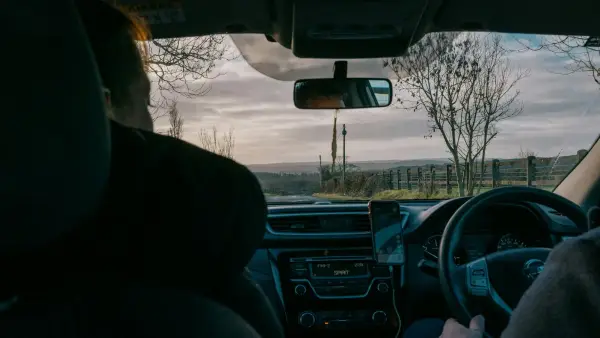
Psychology says men who always insist on driving when their wife is in the car - who reach for the keys without thinking, who cannot settle into the passenger seat without their foot pressing an invisible brake - are not controlling or distrustful, they are men whose only permitted expression of protection was logistics, and the hand on the steering wheel at fifty-eight is not authority but the last surviving way a man who was never taught to say 'I am afraid of losing you' can say it without anyone hearing the fear

Children who became the funny one in their family - who learned before ten that a well-timed joke could change a parent's mood and turn a dangerous evening into a bearable one - often become adults who test every room with humor before allowing themselves to be serious, and the joke at forty-seven is not deflection but a scouting mission the body still runs before deciding it is safe to say something real
There are couples who have spent so many years together that they have built a language no one else can speak - a particular sigh that means 'I need to leave this party in fifteen minutes,' a hand on the knee that means 'do not say what you are about to say,' the way one of them refills the other's water glass without asking because they both know the headache comes at four if she does not drink enough by two - and the thing nobody tells you about long love is that the most intimate dialect two people ever develop is the one made entirely of things they stopped needing to say out loud

Children who always walked one step behind their parents in public - adjusting their pace without being asked, falling back the moment anyone noticed - often become adults who let other people choose the restaurant, the movie, the direction of every argument, because a child who followed someone who never once looked back learned that keeping up was their job and being waited for was never going to happen
Children who learned to measure the distance between their parents on the couch became adults who read every room by the geography of bodies - and what everyone calls intuition is actually a measurement system built by a seven-year-old who needed the furniture to tell the truth when nobody else would
There are people who still say 'we' when they talk about a marriage that ended fifteen years ago - 'we used to go there in the summer,' 'we always made too much food at Thanksgiving,' 'we were never very good at dinner parties' - not because they have not moved on but because the grammar of a shared life outlives the life itself, and the pronoun that once meant two people building something together now means one person carrying the full weight of a story that was only ever meant to be told in two voices

Psychology says men who can read flirting aimed at other people with near-perfect accuracy but miss it entirely when it is aimed at them are not oblivious - they are carrying a boy's understanding that assuming someone wanted you was arrogance, that the safest interpretation of any warmth directed at you was friendliness, and that wanting to be desired was something you were never supposed to admit out loud

Psychology says the hardest year of most long marriages is not the first or the seventh - it is the September the youngest child leaves for college, and two people who spent two decades co-managing a household sit across from each other at a dinner table that seats four but only holds two, and realize they cannot remember what they used to talk about
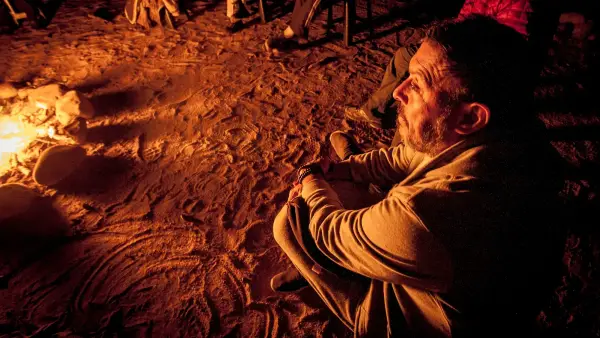
There is a kind of honesty that only happens when the room is dark enough and the fire is close enough and nobody can quite see anyone else's face - a backyard firepit, a campfire on a trip someone organized because they needed an excuse to sit in a circle, even a candle on a porch after the party has thinned - and if you have ever watched a man who cannot finish a sentence about his feelings at a well-lit dinner table tell a story around a fire that makes the whole circle go quiet, you have seen what happens when a boy who was taught that feelings require an audience finally finds a room dark enough to stop performing
Psychology says couples who keep having the same argument about something small - the way one of them loads the dishwasher, who forgot to lock the back door, why the thermostat is set to seventy-three again - are not stuck and they are not bad at communication, they are circling a wound that neither of them has the vocabulary to name, and the dish left in the sink was never about the dish
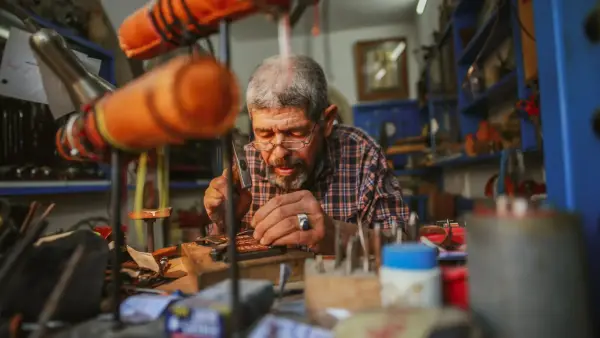
He's 61 and has quietly realized that every apology he has ever given his wife has been an object - a repaired cabinet hinge, a cleaned gutter, a replaced brake light she mentioned once three weeks ago - not because he is afraid of the words but because a boy who grew up watching his father say sorry by mowing the lawn at six in the morning never learned that remorse could travel through language instead of labor, and the fixed thing was never about the thing
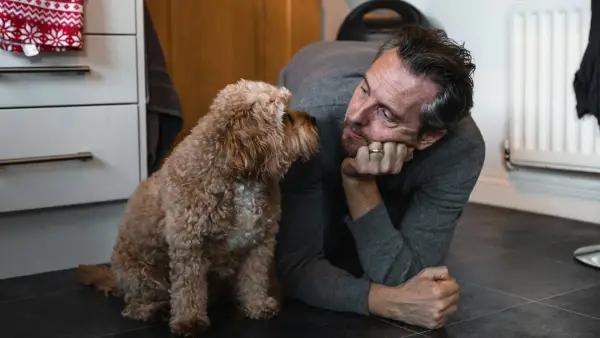
Psychology says men who use a completely different voice when they talk to their dog - who drop into a softness so tender it would startle anyone who only knows them from work or the dinner table - are not being ridiculous, they are men who finally found a living thing that would let them practice the gentleness they were never given permission to show a human being, and the voice at fifty-three is not baby talk but the only dialect of love they were ever allowed to speak without rehearsing first
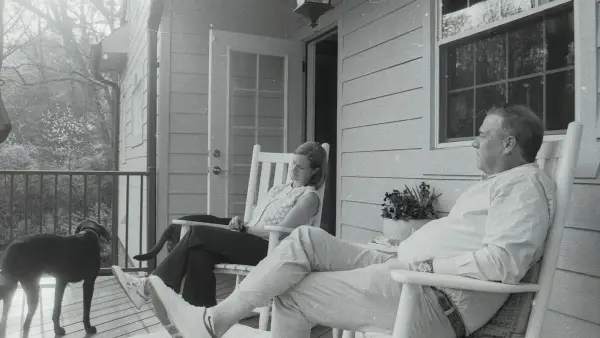
Psychology says men who sit in comfortable silence with their friends for hours without saying anything important are not avoiding real conversation - they are practicing the only form of closeness a generation of boys was ever taught would not get them ridiculed, and the reason they look so peaceful is that parallel presence was the first safe love they learned

She's 55 and has noticed she still sleeps on the far edge of the bed even though no one has slept beside her in three years, not because the other side feels empty but because a woman who spent twenty-two years making room for someone who never once moved toward her middle learned that love was the distance you were willing to keep so someone else could be comfortable
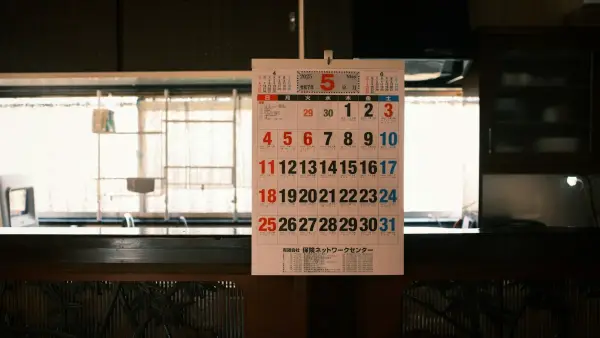
Children who grew up being the one who remembered every birthday and anniversary - who knew when the permission slip was due, which relative needed a thank-you card, and what day the dentist appointment was before anyone thought to ask - often become adults who never forget a single important date in anyone else's life but cannot understand why nobody seems to remember theirs, not because they want a party but because a child who tracked everyone else's calendar learned that if they stopped counting, no one would notice anything at all, and at forty-eight the forgotten birthday is not about the cake but about the proof that nobody else was ever keeping score

There are men who have called the same friend every Sunday morning for thirty years and the conversation has never once lasted more than seven minutes and has never once touched anything that would qualify as deep - the weather, the game, what the neighbor did to his fence - and the reason neither of them has ever missed a week is not the content but the proof, because a man who dials the same number every Sunday for three decades is not making small talk, he is saying I am still here and I am checking whether you are too, and that seven minutes is the only love letter either of them knows how to send
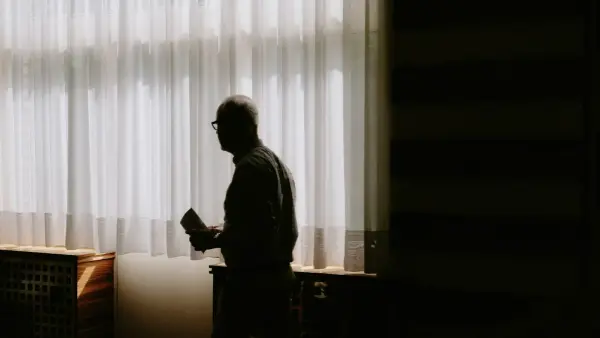
There are fathers who have memorized the sound of their adult children's cars pulling into the driveway and who stand at the window for exactly three seconds before going back to their chair so they will not be caught waiting, because a man who spent thirty years being the person everyone leaves learned that the sound of someone returning is the only prayer his body knows how to answer

There is a kind of friendship that only women over fifty understand - the friend who knew you before the marriage, before the children, before the career and the losses and the version of yourself you built to survive all of it - and the reason you still call her even though you have almost nothing in common anymore is that she is the last person alive who remembers the girl you were before you became someone's mother, someone's wife, someone's anchor, and hearing her say your name is the closest you will ever come to meeting yourself at twenty-two

He's 63 and three months into retirement has discovered that the men he called his closest friends for twenty years have not called once since he left the office, and the silence did not teach him they were bad friends - it taught him that proximity was doing all the work that intimacy was supposed to do, and without the building they shared there was nothing underneath

There is a kind of love that only happens on the car ride home from someone else's house - when the evening is over and the headlights find the road and one person says something honest about the night that they would never have said at the table, and the other person laughs in a way they only laugh when no one else is watching, and for twelve minutes between the driveway you just left and the driveway you are about to pull into, you are more married than you have been all week
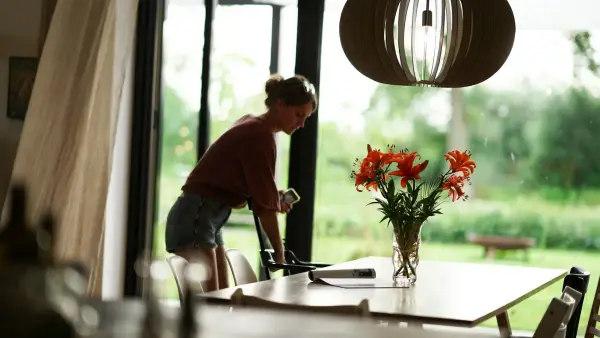
Psychology says people who always offer to host but rarely accept an invitation to someone else's home are not being generous or controlling - they are people whose childhood taught them that the only safe room was one they had arranged themselves, and at fifty-five the phrase 'why don't you come to our place instead' is not hospitality but a nervous system that still cannot relax in a space it did not prepare
Psychology says couples who sit in the same room doing completely different things - one reading, one watching television, neither speaking - are not ignoring each other, they are practicing the only form of intimacy that does not require performance, and the silence between two people who have chosen to be near each other without needing a reason is the closest most adults ever get to the unconditional presence they spent their whole childhood looking for
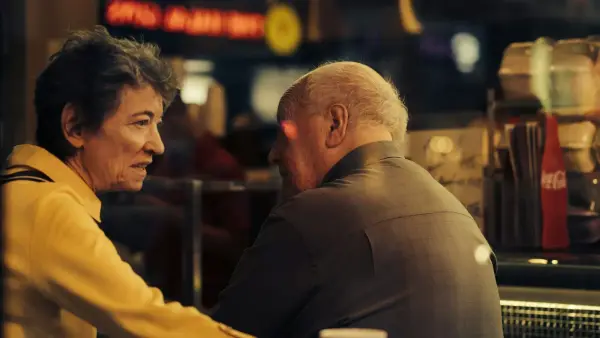
He's 57 and has finally understood that the reason his wife says he never talks to her is not that he has nothing to say - it is that the only version of closeness he was ever shown was two men sitting side by side in silence, and he has spent thirty years loving her in a language that requires no words while she has spent thirty years waiting for a conversation he does not know how to begin

He's 62 and has quietly realized that the reason he still drives forty minutes to the barber he has been seeing since 1994 instead of the one three blocks from his house is not habit and it is not loyalty - it is that the barber's chair is the last place in his life where someone asks how he is doing and actually waits for the answer, and a man who spent forty years being the person everyone leans on has never found another room where someone leans toward him
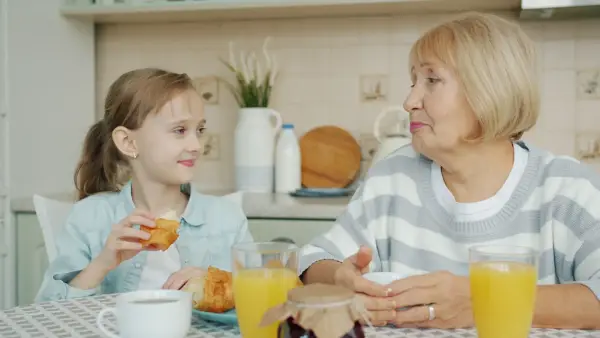
There is a specific kind of exhaustion reserved for the adult child who lives closest to the aging parent, the one who refills the pill organizer and drives to every appointment and notices when the fridge holds three identical cartons of milk, while the sibling three states away calls once a week and still gets told your sister takes such good care of me as though proximity were a personality trait and not a slow, quiet weight no one ever voted on

Children who grew up watching a parent apologize with gifts instead of words - the flowers that appeared after the argument, the toy that arrived after the silence - often become adults who cannot receive a kind gesture without immediately searching it for a motive, because a child who learned that generosity was the language of guilt never stopped reading the fine print on every act of love
Psychology says couples who have the exact same argument every six months are not failing to communicate - they are two people whose childhoods taught them completely different definitions of what it means to feel safe, and the fight that keeps returning is not about the dishes or the thermostat but about which nervous system's version of home gets to be the real one

There are men who sit in the same barber's chair every three weeks not because they need a haircut but because the barber is the only person in their life who asks how they're doing and genuinely waits for the answer, and the twenty minutes of someone else's hands on their head is the closest thing to being cared for that a man who forgot how to ask for tenderness will allow himself to receive
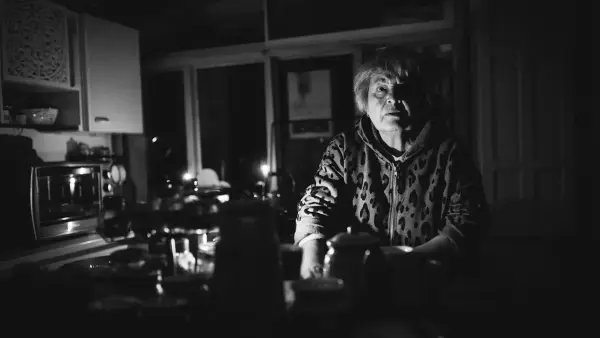
Psychology says men who only feel truly close to their wife during a crisis - a health scare, a flooded basement, a child who didn't come home on time - are not emotionally unavailable, they grew up in families that only came together when something was falling apart, and the ordinary calm everyone else calls closeness feels to their nervous system like being alone in a room full of people
Psychology says couples who argue about how to load the dishwasher are never actually arguing about the dishwasher - one person learned in childhood that there was a right way to do everything and the wrong way meant consequences, and the other learned that being corrected about small things meant they would never be good enough to be trusted with the big ones
There are siblings who were inseparable as children - who shared a bedroom, finished each other's sentences, built a private language nobody else could decode - who now sit across from each other at holiday dinners performing a version of closeness that both of them know is made entirely of memory, because somewhere in their twenties the person they knew best in the world became someone they loved from a distance they could never quite name
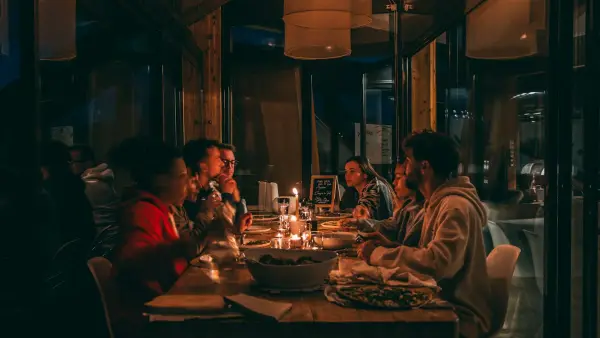
He's 64 and has quietly realized that the reason he cannot sit through a family dinner without clearing the plates before anyone has finished is not helpfulness - it is a boy who learned at eight that the fastest way to prevent the argument that always came after the second glass of wine was to end the meal before the conversation got too honest
Psychology says women who stop telling their husband what is wrong and just say 'nothing' are not being passive-aggressive - they told him exactly what was wrong dozens of times over dozens of years and the silence at fifty-three is not a wall, it is the quiet sound of a woman who finally ran out of new ways to explain the same wound to someone who was never going to hear it the way she needed him to
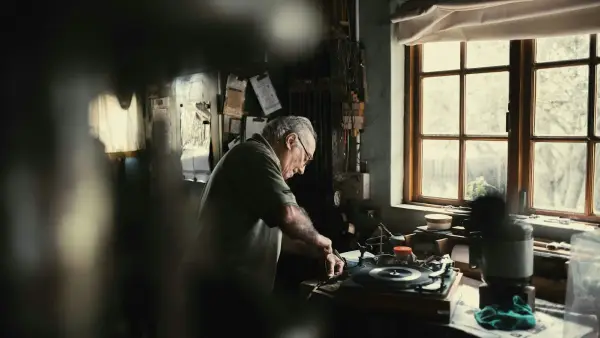
There is a silence between fathers and adult sons on long car rides that is not distance and is not discomfort - it is two men who can feel the conversation they should be having but neither was ever given the vocabulary, and the son at forty-three has finally understood that the love was never going to arrive as words, it was always going to arrive as a man with a full tank and nowhere he had to be
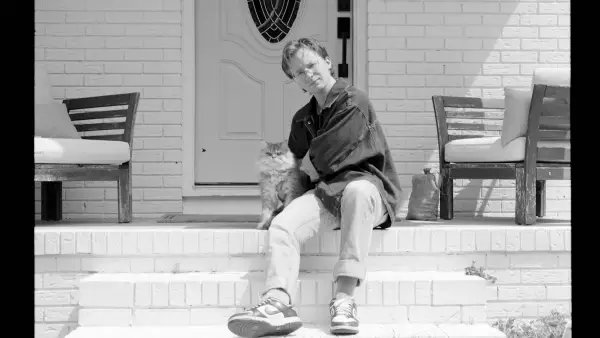
He's 56 and has finally understood that the reason he has never once been the first to reach out after a fight with anyone he loves - not his wife, not his brother, not his oldest friend - is not stubbornness and it is not pride, it is that a boy who tried to apologize first at ten watched his mother store the apology like ammunition and use it as proof he had been wrong all along, and forty years later reaching out first still feels like handing someone a weapon
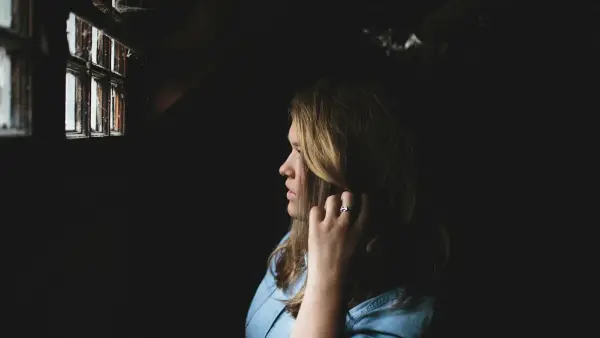
Psychology says people who always let the other person hang up the phone first, who cannot bring themselves to say goodbye without adding one more sentence, one more pause, one more 'okay well' are not indecisive and they are not needy - they were children who learned that the person who ended a conversation controlled what came next, and at fifty-two the goodbye they cannot bring themselves to say first is a child still trying to make sure no ending arrives without warning

There are couples who have been together so long they finish each other's sentences and everyone at the table calls it love, but sometimes what it actually means is that one of them stopped saying unexpected things twenty years ago because every time they offered a thought the room did not anticipate the silence that followed lasted longer than the thought was worth

People who grew up as the family photographer - the one always behind the camera at birthdays and holidays, making sure every moment was captured - often become adults who are present at every important occasion in the lives of the people they love but cannot find themselves in a single frame, because a child who learned to document everyone else's joy never quite trusted the room to hold still long enough for someone to capture theirs

Psychology says men who add 'just kidding' after every vulnerable thing they say aren't deflecting - they are boys who tested honesty once, watched it land wrong, and spent thirty years building an escape hatch into every sentence that might cost them something, and the joke that follows every confession at fifty is still a boy checking whether the room is safe
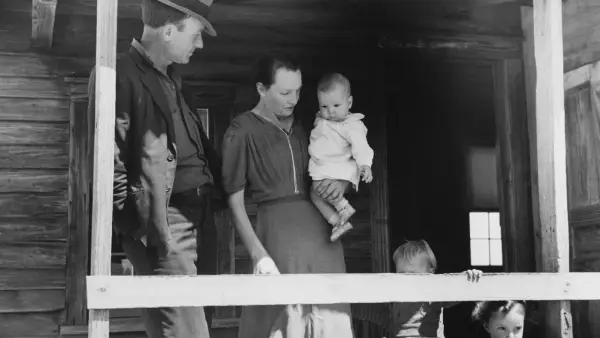
He's 63 and has finally understood that the reason he cannot watch his adult son struggle without immediately offering to fix it is not overprotection and it is not distrust - it is a father who was given no help at twenty-five and swore his children would never stand alone in the wreckage the way he did, and the line between shielding someone you love from pain and preventing them from discovering their own strength is one he has spent thirty years searching for and has never found
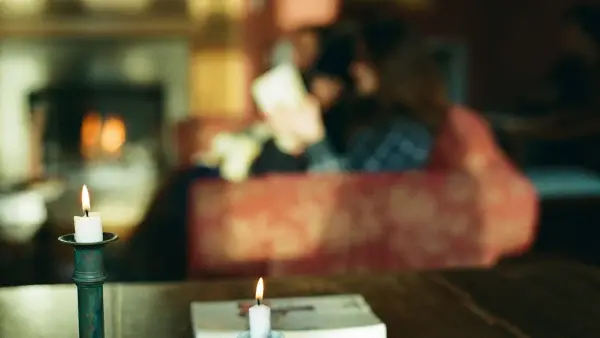
Psychology says couples who sit in the same room doing completely different things in total silence - one reading, one scrolling, neither speaking - aren't disconnected and aren't ignoring each other. They are two nervous systems that finally feel safe enough to stop performing togetherness, and the quiet that looks like indifference from the outside is what intimacy actually sounds like after twenty years of earning it
There is a moment in every long marriage when one partner realizes the other has stopped asking follow-up questions - not stopped listening, not stopped caring, but stopped being curious - and the loneliness of being loved by someone who believes they already know everything about you is a particular kind of quiet that no one warns you about because admitting it would feel like accusing someone of something they did with the best of intentions
7 things that quietly happen to children who grew up in homes where both parents stayed together for the kids and everyone at the dinner table knew the marriage was a performance held together by obligation rather than love, and the version of loyalty those children carry into their own adult relationships has a weight no one ever named, according to psychology
7 things that quietly shift between a mother and daughter after the daughter becomes a mother herself - because the moment you hold your own child you suddenly understand every sacrifice she made and every wound she carried into the way she raised you, and the love and the grief arrive together in the same breath, according to psychology

Children who grew up watching their parents stay married but live in parallel - eating at the same table, sleeping in the same bed, speaking only in logistics - often become adults who cannot tell the difference between a relationship that works and a relationship that merely continues, because the only model of love they were given was endurance
There are couples who met at nineteen and married at twenty-three and are still together at fifty-five, and the hardest thing about their marriage is not conflict or infidelity or growing apart - it is that the person they chose was chosen by a version of themselves who no longer exists, and the loyalty they practice every morning is not to the person across the table but to a promise made by two strangers whose certainty they can no longer remember feeling
Psychology says women who stop telling their husbands what is actually wrong and start saying 'I'm fine' are not shutting down because they stopped caring - they stopped because they told him what was wrong seventeen times and nothing changed, and the 'I'm fine' that worries him now is not a wall but a door she closed after years of holding it open for someone who never walked through

Children who grew up with a parent who used silence as punishment - not the quiet that means I need space but the silence that means you will sit in this discomfort until I decide you have earned my voice back - often become adults who cannot hear a partner go quiet for an hour without their entire body entering a state of emergency, because a child who was taught that silence was a weapon never learned it could also be rest

Children who grew up carrying messages between divorced parents - softening their father's words for their mother, editing their mother's anger before relaying it to their father - often become adults who cannot have a single conflict without mentally writing a script for both sides, because a child who lived between two contradictory truths never discovered it was safe to only carry their own

Psychology says the couple who argue about the dishes, the thermostat, and whose turn it is to call the plumber are not fighting about any of those things - they are two nervous systems that ran out of language for the real wound years ago, and every fight about the dishwasher is actually two people trying to say I do not feel chosen by you anymore in the only vocabulary they have left

Psychology says the couple sitting in silence at a restaurant are not the ones whose marriage is failing - they are the ones who stopped performing conversation for the room, and the silence that makes other diners uncomfortable is actually the dialect two people speak after decades of having already said everything that needed words
9 things that quietly happen to people who are always the one to text 'just checking in' - not because they are naturally more caring but because a child who lost someone's attention without warning learned that the safest kind of love was the kind you confirmed was still there every few days, according to psychology
There are couples who have been together so long they have developed their own private language of small sounds - the sigh that means I am tired, the hum that means I agree, the particular exhale that means I love you without either of them ever having decided it meant that - and the cruelest thing about losing a partner after forty years is not the silence but the fact that the language dies with them because it was never written down and no one else on earth speaks it
Psychology says women who stop asking their partners 'what's wrong' after years of being told 'nothing' are not giving up on the relationship - they are a nervous system that finally accepted the answer it was given, and the silence that follows is not distance but the sound of a woman who spent twenty years knocking on a door that was never going to open and finally set down her fist
Children who grew up in homes where the only honest conversations happened in the car - because the windshield gave everyone a place to look that was not each other's face and the road noise covered the shaking in a voice - often become adults who can only say the hardest things while driving, and the person sitting beside them at forty-five may never understand that the car is not transportation but the only room they were ever given where truth did not have to be performed standing still

Children who grew up with one parent who showed affection easily and one parent who showed almost none often become adults who cannot fully relax into warmth - not because they doubt the person offering it, but because they learned at the dinner table that love and coldness could sit in the same room, and their nervous system still braces every time someone is gentle, waiting for the temperature to drop
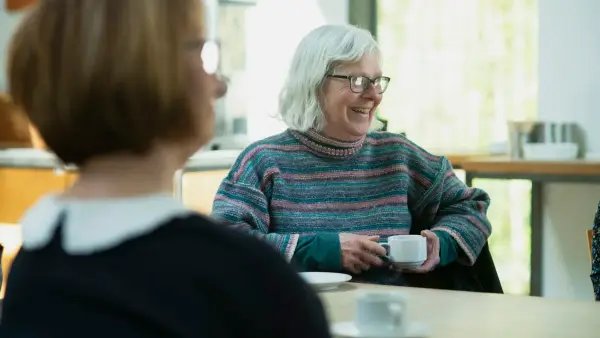
There are conversations that happen between old friends in the first three minutes of a phone call that cover more emotional ground than most marriages cover in a year, because two women who have known each other since they were twenty-three have built a language so compressed that a single sigh after 'how are you' tells the other person everything - the week, the husband, the daughter who still hasn't called, and the tiredness that goes all the way to the bone
There is a kind of friendship that only exists between two women who raised their children on the same street at the same time, who never called it love but held each other's lives together through school runs and whispered conversations over garden fences, and the grief nobody warned them about was not the children leaving but that without them there was no longer a reason to knock on each other's door at nine in the morning
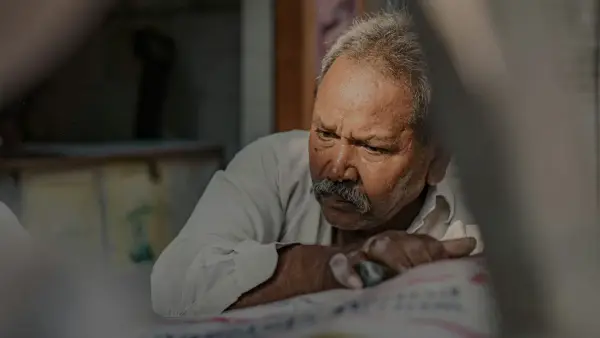
He's 64 and just realized the reason there are almost no photographs of him from his children's entire childhood is not that he was camera-shy - it's that he understood his role as the one who captured everyone else's joy, and it never occurred to him that someone should have been capturing his
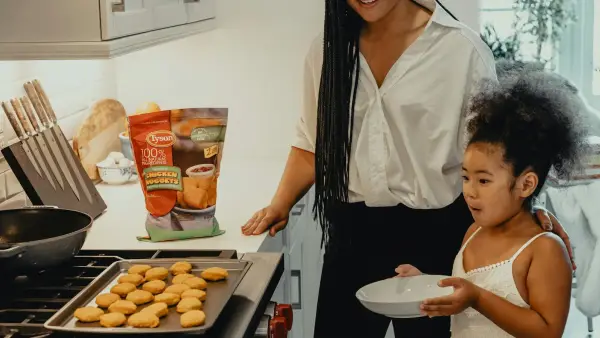
There is a kind of love that only sounds like worry - 'did you eat,' 'text me when you get home,' 'wear a coat, it is cold out there' - and the children who grew up hearing it instead of 'I love you' often spend decades believing they were never told, until they become parents themselves and hear the same words leaving their own mouths and finally understand that their mother was saying it the entire time, in the only language her own mother gave her
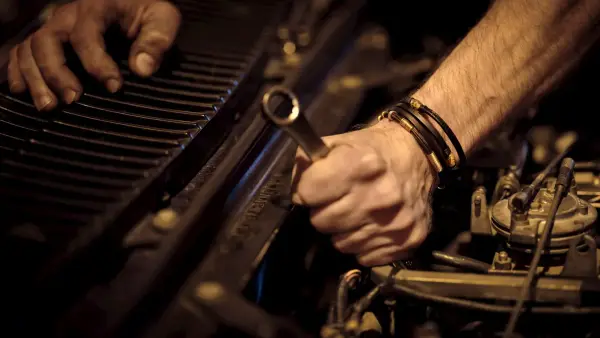
Psychology says men who only apologize by doing something - fixing the shelf, washing the car, taking the bins out at six in the morning after an argument - are not avoiding the conversation, they are men who learned as boys that the words 'I'm sorry' were followed by conditions, and the only safe way to say 'I know I was wrong' was to make it true with their hands before anyone could attach a price to the words
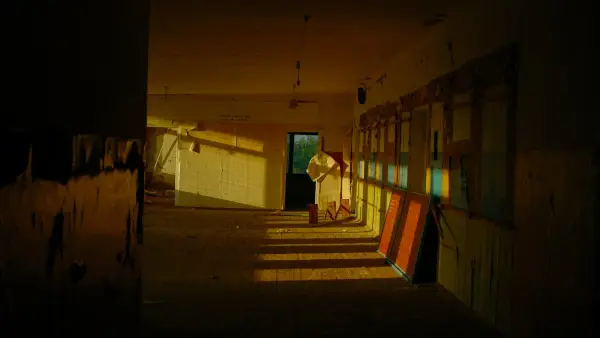
Children who grew up in homes where someone was always threatening to leave - the packed bag by the front door, the car keys grabbed off the counter mid-argument - often become adults who read every small change in a partner's routine as the opening chapter of an abandonment that hasn't happened yet

Children who were only praised when they performed - good grades, clean rooms, polite manners in front of company - often become adults who cannot feel loved unless they are actively being useful, and the moment they stop producing, a voice that sounds exactly like their childhood whispers that they are about to be left
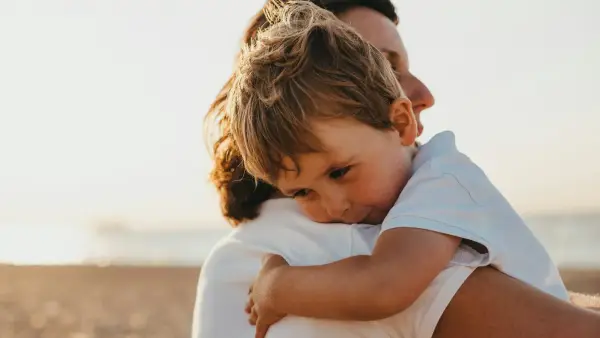
Psychology says men who can calm a stranger in a crisis but freeze completely when their own child cries are not cold and they are not distant - they are men who received comfort from arm's length their entire childhood, a firm nod from the hallway, a hand on the shoulder that lasted exactly two seconds, and the closeness a crying child needs activates a circuit their body was never allowed to practice
There are couples who have been married for thirty-five years and still say 'I love you' every night before bed, not because the feeling is always there but because the words became a bridge they built across a silence neither of them knows how to fill anymore, and the tenderness in it is not that they still mean it the way they did at twenty-five but that they keep saying it anyway, like a prayer you stopped believing in but never stopped needing
Relationships
He's 62 and has realized the reason he still drives forty minutes every Saturday to mow his adult daughter's lawn is not helpfulness - it is a man whose father never once said the words 'I love you' out loud, who learned that tenderness only felt safe when it traveled through the hands, and who now pushes a mower back and forth across the only version of closeness his body knows how to offer
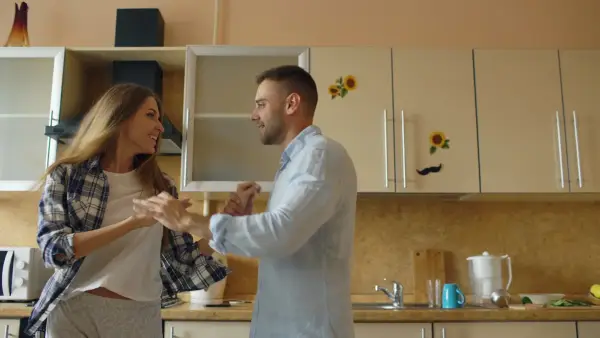
Psychology says men who respond to 'I love you' with 'me too' instead of saying the full three words are not feeling it less - they are men who grew up in houses where those words were either never said out loud or only spoken at funerals and hospital bedsides, and their mouth learned long ago that 'I love you' said in full is not an expression of closeness but the sound people make right before someone is about to be gone
There is a kind of love that never announces itself - the kind where he fills her car with gas on Sunday mornings before she wakes up and she leaves his favorite mug at the front of the shelf every time she unloads the dishwasher - and nobody ever told them that the love they have been quietly building for thirty years is not the absence of passion but the thing passion becomes when it survives long enough to stop needing an audience
She's 60 and has finally understood that the reason she still flinches when someone is kind to her without being asked - remembers her coffee order, notices she's gone quiet, holds the door with intention - is not distrust but a girl who learned that unprompted tenderness was always the opening note of something that was about to go wrong
Children who grew up in homes where nobody ever raised their voice often become the most conflict-avoidant adults - not because they learned peace, but because they never once saw two people disagree and still love each other afterward, so every argument feels like it might be the last conversation they ever have
Psychology says men who always volunteer to drive - on every road trip, every errand, every late-night airport pickup - are not being generous, they are men who learned as boys that the only time their father could say something honest was when his hands were on the wheel and his eyes were on the road, and driving became the only place where closeness did not require the terrifying act of looking someone in the eye
He's 60 and has never once said the words 'I'm sorry' to his wife - not because he doesn't feel remorse but because a boy who grew up where apologies were either weapons or weaknesses learned to say sorry with his hands instead of his mouth, and the woman who has been married to him for thirty-five years can tell you exactly what 'I love you' sounds like when it's disguised as a repaired kitchen faucet
There are men who have been married for thirty years and still knock before entering their own bedroom, not out of courtesy but out of something much older - a boy who grew up in a house where closed doors meant someone was angry, and the safest thing you could do was announce yourself before walking into whatever was waiting on the other side

9 signs you are the one quietly holding every relationship together and the people who benefit most from your effort have no idea it is a skill you taught yourself at enormous cost, not a personality trait you were born with, according to psychology

Children who watched their mother go quiet every time their father raised his voice often become adults who choose partners not because they feel loved but because the tension feels familiar, and the thing they keep calling chemistry is really just a nervous system recognizing the architecture of the only marriage it ever studied
Psychology says men who show love by fixing things, checking tire pressure, and solving problems you never asked them to solve aren't avoiding emotion - they learned care from fathers who never had the vocabulary for "I love you" but always had the tools

Psychology says women who keep testing whether people will stay aren't insecure - they grew up in homes where love was conditional, and the test they keep running isn't doubt, it's the only safety protocol their nervous system ever learned for telling the difference between someone who will stay and someone who is about to leave
Psychology says men who text 'drive safe' instead of 'I love you' aren't emotionally distant - they were raised in homes where tenderness was never spoken out loud, and every practical phrase they send is their nervous system's way of saying something their mouth was never given permission to form
Children who could hear a fight starting three sentences before it arrived - who learned to read the tonal shift, the slight edge, the pause that meant the conversation was turning - often became adults who leave the room before anyone raises their voice, not because they avoid conflict but because their body learned at seven that the safest thing to do with a rising tone was to already be gone
He's 63 and every time his wife says 'we need to talk,' his body prepares as if he's being called to the principal's office - because a boy who grew up where serious conversations only meant trouble never learned those words could mean 'I miss you'
There are couples who have slept on the same side of the bed for thirty years, left and right fixed since the first night, not because they are creatures of habit but because that small territorial claim was the last unspoken negotiation they ever won, and everything since has been a series of concessions neither of them can name
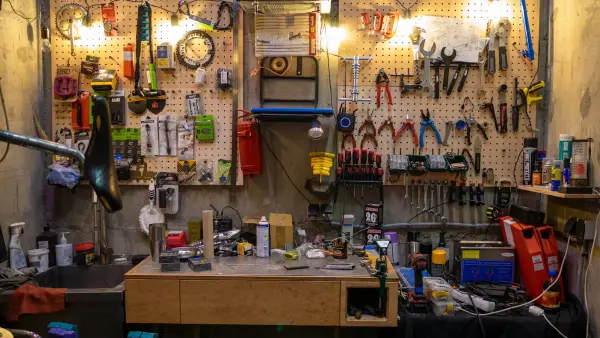
He's 59 and has quietly realized that somewhere in his early forties every friendship he had became transactional - you call when you need something, you meet when there's a reason - and the men who used to sit with him in a garage doing nothing for hours are all still alive but none of them would know what to say if he called at 2am and just said I'm not okay
There are men who sit in their cars in the driveway for ten minutes after work, not because they dread what is inside but because the distance between who the world needed them to be today and who their family deserves is longer than the commute, and nobody taught them there was a version of walking in that did not require becoming someone else first
There are people who walk into a room full of family on a Sunday afternoon and immediately begin looking for something to carry, something to wipe, something to tend to, not because they are generous but because standing still in the middle of people who love them is a sensation their body has never learned to trust
She's 56 and has finally understood that the reason she still waits for her husband to notice something is wrong instead of saying it out loud is not stubbornness - it is thirty years of hearing 'you're overthinking it' every time she named what she felt, and the silence she keeps now is not peace but the sound of a woman who stopped believing her feelings were worth the argument
Psychology says people who ask "are you mad at me?" after the smallest disagreement are not insecure and they are not needy - they were children who learned that silence after conflict was not peace but the opening act of someone withdrawing love, and the question they keep asking at forty-five is the same one they rehearsed at seven, standing outside a parent's closed door, trying to read the quiet for clues about whether they were still safe

Children who had to earn every hug by being good, being quiet, or being useful often become adults who cannot sit still inside someone's love without scanning for the cost, because a child who was only held after they performed something worthy never learned that their presence alone was reason enough to be held
Children who grew up being the person their parent called when she needed to talk - not the spouse, not a friend, the child - often become adults who can hold space for anyone's crisis but have never once picked up the phone to say 'I need help,' because a child who was made into a confidant at nine never learned the weight was supposed to flow in the other direction

Psychology says people who are always the first to text, always the one organizing the dinner, and always the friend who remembers the birthday are not naturally more thoughtful and are not naturally more social, they were children who learned early that love was something you had to pursue to keep, and the loneliness they quietly carry at forty-five is the unanswered question of whether anyone would call if they stopped reaching first

There is a particular loneliness that arrives in your mid-thirties without warning, not the loneliness anyone prepared you for at seventy but the quieter, more disorienting kind that lands the year the last structural reason to be near other people - the dorm hall, the shared office, the wedding circuit, the apartment with three roommates - quietly disappears, and you finally understand that friendship was never going to just keep happening on its own
Psychology says women who quietly keep score in their marriages aren't petty, they are exhausted from being the only one tracking what got done, and the day they finally stop counting is not the day they gave up but the day they let themselves admit how lonely the work always was

Children who grew up translating one parent's mood to the other often become adults who cannot tell the difference between being close to someone and managing them from the inside, and by forty-five they have built an entire life of relationships no one has ever actually read them inside of
Psychology says couples who stopped having real arguments after fifteen years of marriage are not in a healthier relationship, they have quietly run out of fights they believe anything will come of, and the quiet both partners call peace is a treaty they signed with the parts of themselves that gave up asking
Women who were praised their whole lives for being low-maintenance in relationships often reach a point where they realize the reason nobody asks what they need is not cruelty or neglect, it is that they spent so many years saying "I'm fine with whatever you want" that the people who love them most took them at their word and genuinely forgot there was a woman in the room who had preferences of her own

7 things that quietly happen between siblings who were raised in the same house but experienced entirely different childhoods, and the distance between them at forty is not about personality but about which version of the parents each one received, according to psychology

Psychology says men who realize in their fifties they have no one to call at 2 a.m. aren't bad at friendship - they were never taught that closeness between men required anything beyond showing up to the same place at the same time
There is a moment in many long marriages when the conversations stop being about anything real and become entirely about logistics, and neither person notices the shift because a full calendar feels like closeness even though closeness left the room years ago
He's 57 and has quietly realized that his wife of thirty years doesn't actually know him - not because she stopped caring but because somewhere around year twelve the marriage became about logistics and nobody noticed the rest falling away

Psychology says men who miss every sign that someone is interested in them aren't oblivious - they were taught that believing someone would choose them was the most dangerous thing they could do
He's 62 and has quietly accepted that his marriage survived not because they fixed what was broken but because they both agreed to stop mentioning it, and he's not sure anymore whether that was wisdom or surrender
People who became the listener in every friendship often reach midlife and realize that while they know everyone else's story by heart, nobody has ever thought to ask for theirs
People who grew up in homes where conflict was silent often become adults who either avoid confrontation entirely or explode when they finally speak up
Psychology says men who pull away when they feel closest to someone aren't afraid of intimacy - they're afraid of needing someone in a way they were taught to see as weakness

There is a kind of love that looks like understanding someone so completely you can finish their sentences and predict their moods and name their fears before they do, while they have never once asked what is happening inside you