Generational Identity
The decades that shaped us and the shared experiences that still echo.

She is 59 and just realized she has ironed her husband's undershirts every Sunday for thirty-seven years even though he has never once asked her to and would not notice if she stopped - not because she is old-fashioned or subservient but because a girl who watched her mother press every shirt, every pillowcase, every dish towel on a Sunday afternoon learned that a woman's love was measured in labor so invisible that noticing it would have broken the spell, and stopping now would feel less like freedom and more like abandoning a post nobody else even knew she was manning
Generational Identity
Children who always helped clean the entire house before company came over - who vacuumed the living room, hid the laundry basket in the closet, and were told not to open certain doors while guests were in the house - often become adults who cannot relax in their own home until every surface is clean enough to be judged, because a child who learned that visitors were not guests but inspectors discovered that home was not a place you lived in but a performance you maintained for everyone who might be watching
Children who always knew what day the trash went out in every neighborhood they have ever lived in - who knew recycling was Thursday and bulk pickup was the second Saturday and who dragged the bins to the curb without being asked - often become adults who manage the invisible logistics of every household, every office, and every friendship group they enter, because a child who learned that if she did not keep track of the schedule nobody would discovered that the difference between a household that runs and one that falls apart is one person who decided that someone had to know these things and accepted that the someone was always going to be her
She is 59 and still writes directions down on a piece of paper before every trip even though the GPS on her phone has never once been wrong - not because she does not trust the technology but because a girl who grew up calling ahead and asking someone to describe every turn learned that the only reliable map was the one drawn in your own handwriting, and a woman who carries a folded piece of paper that says 'left at the church, right after the gas station' next to a phone that already knows the way is not old-fashioned but still loyal to a world where getting somewhere safely required another person's voice and a pencil
Psychology says the adult child who still calls their mother every Sunday at the same time - who dials at four o'clock without setting a reminder, who feels a low hum of guilt if the call runs five minutes late, who has maintained this rhythm through college and marriage and children and a career that looks nothing like the kitchen where this ritual began - is not performing obligation but protecting the last remaining frequency at which childhood still transmits, because a body that grew up hearing its mother's voice at predictable intervals never learned how to let a Sunday pass in silence without registering the absence as something gone wrong
She's 62 and still handwrites thank-you notes for everything - not because she's old-fashioned but because her mother sat her at the kitchen table every Sunday and taught her that gratitude was not a feeling you had but a debt you documented
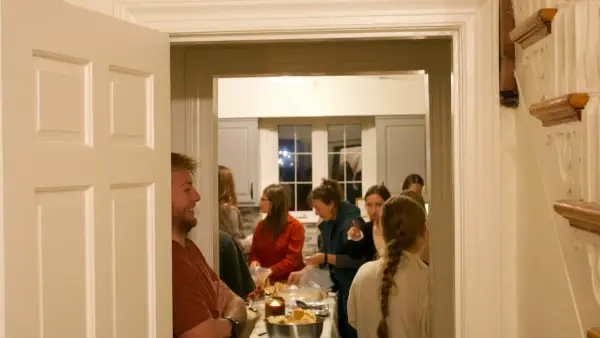
He is 63 and just realized he has carved the Thanksgiving turkey at every family gathering for thirty years - not because he is the best at it or even particularly enjoys the task but because a boy who watched his father stand at the head of the table with a carving knife and an audience of fifteen understood that the carving was never about the meat but about assuming the one role in the family that requires everyone else to wait, and a man who has inherited that knife has inherited the only throne a working-class household ever built
There is a particular kind of man who still walks through the house at 10 PM turning off every light his family left on - the hallway, the bathroom, the lamp in the living room nobody is sitting near anymore - not because the electric bill matters the way it used to but because a boy who grew up watching his father patrol the house switching off evidence of his family's carelessness learned that a responsible man is one who walks behind the people he loves quietly correcting everything they forgot

He's 64 and just realized he still pats his pockets every time he stands up from a chair - wallet, keys, phone, the same three-tap ritual every time, a sequence so automatic his hand performs it without instruction - not because he has ever lost any of them but because his father did the exact same thing at the kitchen door every morning before leaving for work, and a boy who watched a man verify the contents of his pockets like a pilot running through a preflight checklist learned that a responsible man is one who never walks into the world without confirming he is carrying everything the world might require of him
There is a particular kind of person who always says 'drive safe' instead of goodbye, not because they cannot say 'I love you' but because a mother or grandmother who never learned to name the tender thing directly found two words that could carry the entire weight of devotion without ever calling it by name
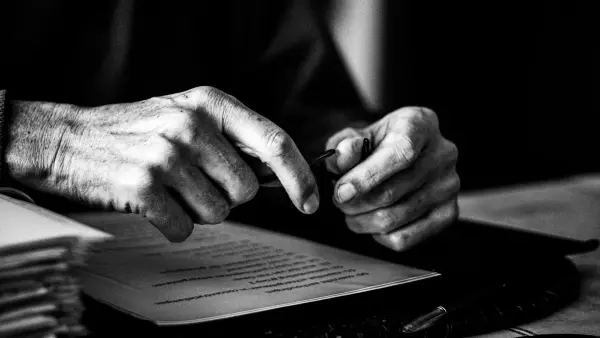
There is a particular kind of heartbreak that arrives not when your parent can no longer remember your name but when you notice their handwriting has changed - the birthday card that trembles where it used to flow, the grocery list in letters twice the size they used to be - because handwriting was the last place where the person you grew up with still lived exactly as you remembered them, and watching it change is watching time rewrite the author
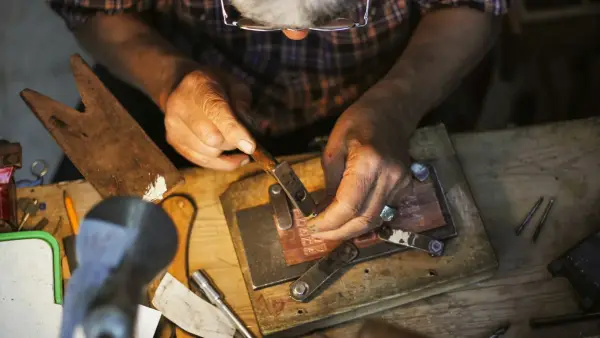
There is a way a man in his sixties holds a tool he inherited from his father - not by the handle where it was designed to be gripped but with the whole palm wrapped around the metal the way his father wrapped his, knuckles in the same position, thumb resting in the same groove worn smooth by decades of use - and the reason he cannot bring himself to replace it even though the head is loose and the hardware store sells a better version for twelve dollars is that the worn-smooth handle is the closest thing to his father's grip he will ever hold again, and a son who lost the man who taught him to build things does not replace the wrench, he preserves the handshake
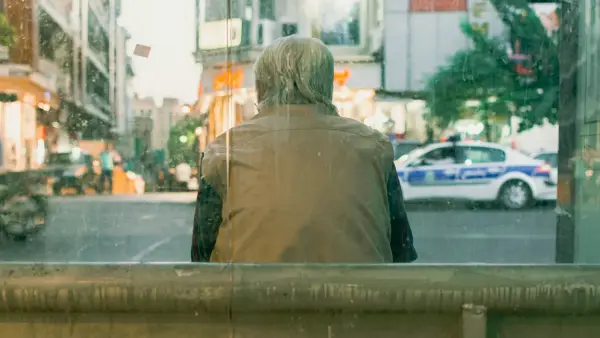
There is a morning after sixty when you catch your reflection in a store window and see your father looking back - not as a metaphor but as a genuine confusion, a half-second where the man in the glass is the man you watched shave at the bathroom sink when you were six years old - and the vertigo that follows is not grief exactly but the sudden understanding that the person you have been becoming your entire life was never a mystery to anyone who loved your father, because they have been watching his face arrive in yours for years and simply never told you
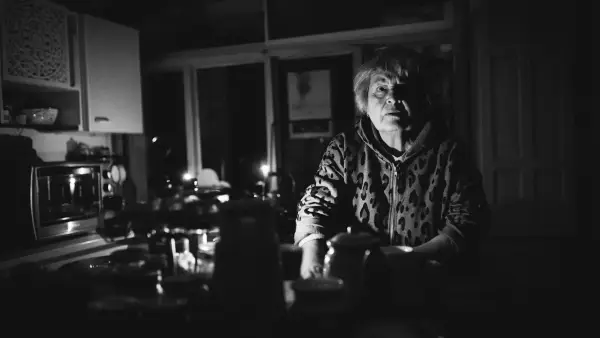
There is a moment after fifty when you hear your mother's exact phrase come out of your mouth - not the sentiment but the precise words in the precise tone with the same pause before the last syllable - and you realize the woman you spent two decades trying not to become was not invading your voice but furnishing it, leaving behind the exact sentences you would need when it was your turn to stand in the kitchen and hold everything together
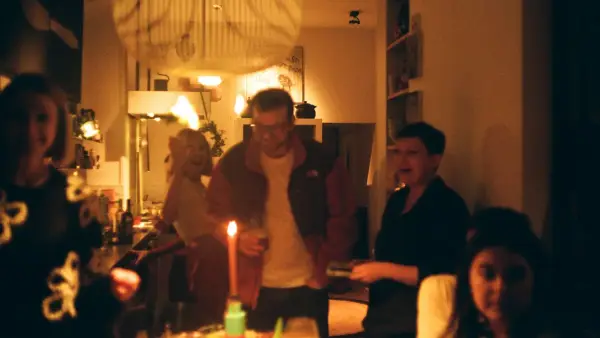
He's 63 and just realized he has never once been the first person to sit down at his own dinner table - he hovers near his chair, fills a glass, straightens a napkin, and only lowers himself into his seat after every person at the table has found theirs, because his father stood at the head for thirty years doing the same thing, and a boy who watched a man hold himself upright while everyone else settled in learned that sitting down last was the only way a father could say everyone I love is accounted for without actually saying it

There is a moment in your late fifties when you hear yourself say 'be careful out there' to your son in the exact cadence your father used - the same pause before the last word, the same downward note that was never a warning but a prayer - and you realize that becoming the man you spent thirty years trying to outgrow is not a loss but the quietest homecoming of your life
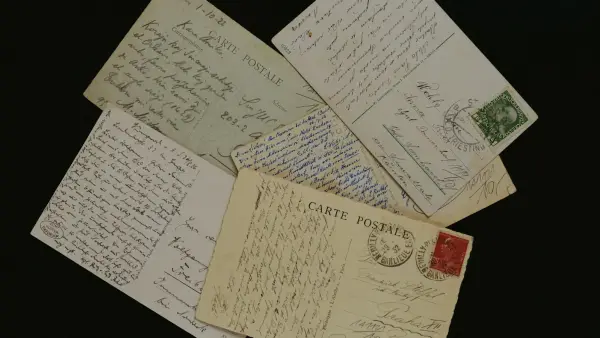
Nobody prepares you for the strange second grief that comes months after losing a parent, when you open a closet and find a shoebox full of your old school photos they quietly collected, organized by year, and you realize the person you thought you knew was carrying a tenderness they never once spoke out loud
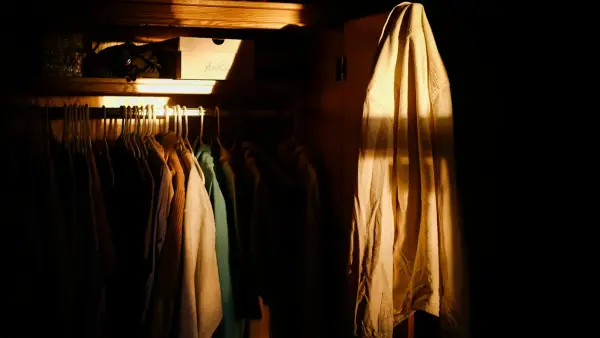
There is a specific grief nobody warns you about - the afternoon you finally open your father's closet six months after the funeral and find his shirts still hanging in the order he left them, still holding the shape of his shoulders, still carrying the cologne he wore to church on Sundays, and you realize that fabric remembers a man's body longer than your own memory can hold his voice
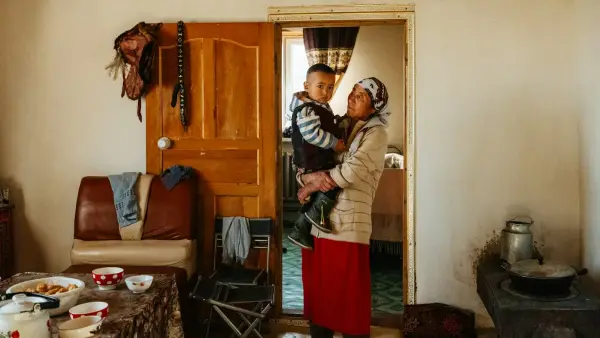
There is a moment, usually sometime after sixty, when your children start telling you to drive carefully, wear a jacket, and call when you get home - the exact same instructions you gave them for twenty years - and the quiet rearrangement of who worries about whom is the most tender and devastating evidence that time has done exactly what it always planned to do
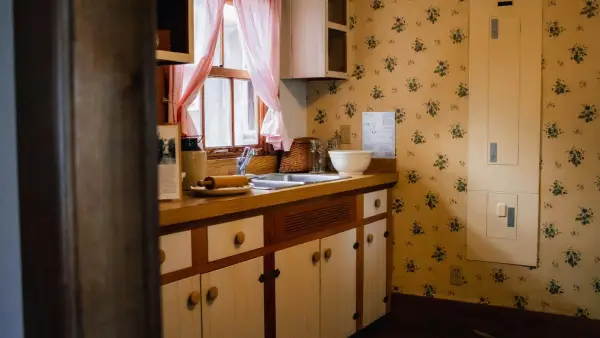
Nobody prepares you for the day you walk into your parents' house and realize it no longer smells the way it did when you were a child - the Sunday roast and fabric softener and wood polish replaced by something quieter - and you understand that the scent was never just a smell but a record of a family operating at full capacity, and its absence is a grief nobody taught you to name

He's 62 and just realized that his house smells exactly like his grandfather's did - coffee that sat too long on the burner, wood polish on tables nobody eats at anymore, and something warm and faintly sweet that a boy of seven could never name but a man of sixty-two now recognizes as the scent of a life that has stopped rushing - and the thing nobody tells you about getting older is that you don't feel yourself becoming the person children visit on Sundays, you just look up one morning and realize the recliner is yours and the smell is coming from you
There are women who still sweep the front porch every morning before the neighborhood wakes - who push the same broom across the same boards at the same hour their mothers did, who sweep a porch that was clean yesterday and will need sweeping again tomorrow - not because the porch needs sweeping but because a daughter who watched her grandmother tend a house that nobody thanked her for keeping learned that the first act of the day should belong to something you are not required to love but choose to anyway

There is a thing that only happens at the edge of still water - a man in his sixties bends down, picks up a flat stone, weighs it in his palm, and throws it sidearm at exactly the angle his father showed him forty years ago, not because the stone or the counting matters but because the throw is the last unbroken conversation they are still having, and every skip across the surface is a word in a language that was never written down

There are women who still press flowers between the pages of books they will never finish reading - who lay a pansy flat against a paragraph at the end of summer and close the cover like a prayer, who find dried petals falling from a novel twenty years later and can tell you exactly which garden they came from and which season was ending when they picked them - not because they are sentimental but because a daughter who watched her grandmother flatten a rose beneath the weight of a dictionary understood that the only way to keep something beautiful was to stop it in time and trust the pages to hold what the season would not
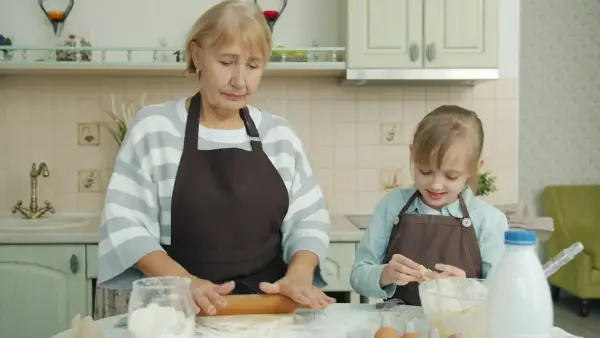
Children who learned to cook by standing next to a grandmother who never once opened a recipe book - who absorbed measurements by watching hands, who learned 'a pinch' and 'enough' and 'until it looks right' - become adults who cannot follow a written recipe without feeling like they are betraying someone, because the kitchen was never about food, it was the only room where a woman who did not know how to say I love you said it in the only language she trusted
Men who still carry a cloth handkerchief are not behind the times - they are keeping alive the only gesture their fathers ever had for saying I love you, folded into a square and tucked into a pocket, ready to hand to someone whose tears they could not fix but refused to ignore
There are women who keep their mother's recipe box on the kitchen counter even though they never follow a recipe exactly as it was written, because a daughter who reads 'a pinch' in her mother's handwriting is not looking for a measurement but for the closest thing she has to hearing that voice again
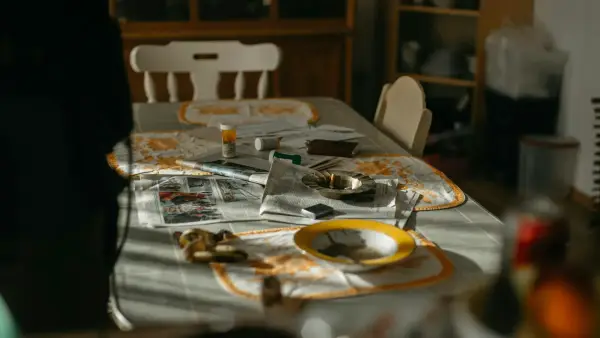
Children who watched their mothers sit with a seed catalog at the kitchen table every January, circling varieties in pencil and planning a garden on paper months before the ground thawed, often become adults who cannot simply wait for something good to arrive but must begin building toward it in the dead of winter - because a child who watched someone choose a garden in the coldest month learned that hope was not something you waited to feel but something you ordered, one packet at a time, and trusted the ground to deliver
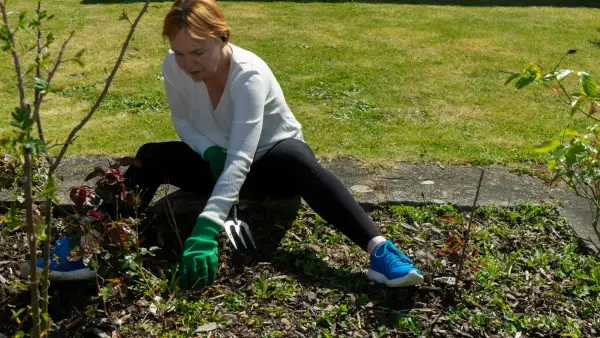
There are women who plant the same flowers their mothers planted - who order the same roses from the same catalog, who put marigolds along the front walk in the same deliberate row, who kneel in the dirt every April and recreate a garden that belongs to a woman who has been gone for fifteen years - not because they love gardening but because a daughter who never learned how to say I miss you in a language her mother would have understood discovered that the only fluent conversation they ever had was conducted in roses and soil and the patient silence between a woman and the thing she is growing
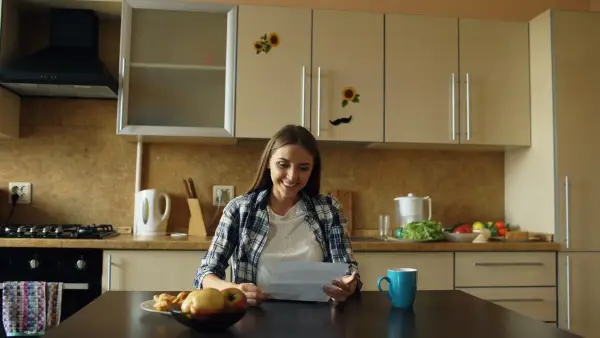
There are mothers who still clip articles from the newspaper and mail them to their adult children - who fold the column carefully, circle the relevant paragraph in pen, and write 'thought of you' in the margin before sliding it into an envelope that will arrive three days later - not because they do not know how to send a link but because a woman who grew up writing letters understood that sharing an idea with someone you love was never meant to be as easy as pressing a button, and the fifteen minutes with scissors at the kitchen table is not the obstacle to reaching her daughter but the entire point
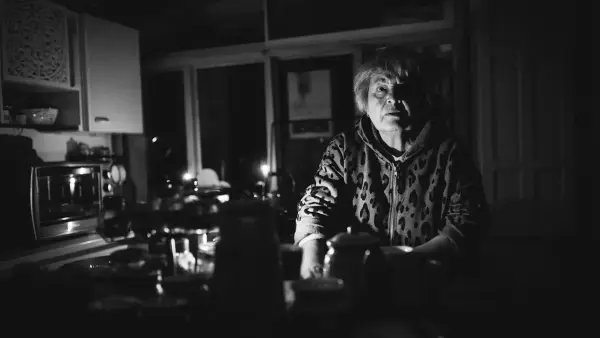
There is a generation of women who learned to cook without a single recipe - who watched their mothers' hands and memorized not in cups or teaspoons but in the curve of a palm, the duration of a pour, the color the butter turned before you added the flour - and the woman at sixty-two who cooks Thanksgiving dinner for twenty-three people from a knowledge that lives in her fingers and not on any page is not gifted or experienced but the last fluent speaker of a culinary language that was passed from body to body, hand to hand, and will disappear the afternoon her daughter follows a recipe on a screen instead of standing beside her and learning the weight of enough
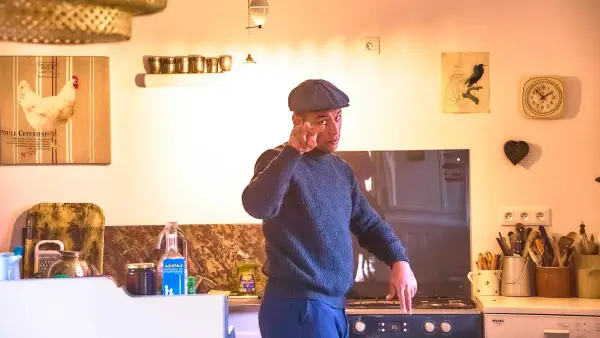
8 things people over 55 who still answer every phone call - even from numbers they do not recognize, even when they suspect it is someone trying to sell them something - do that reveal how their generation learned that a ringing telephone was not an interruption to be managed but a person who needed to reach you, and the man at sixty-one who picks up every time is not naive but the last fluent speaker of a language where a call you did not answer was a person you chose not to hear, according to psychology
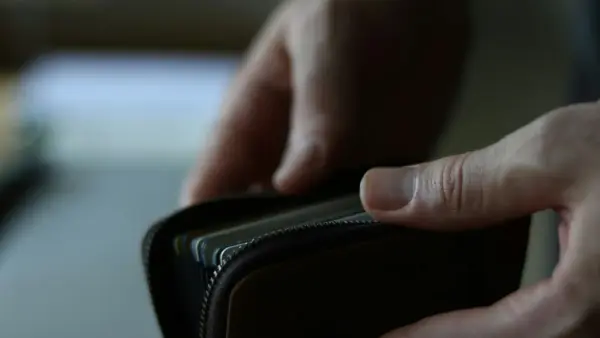
There is a generation of men who still carry cash - not because they distrust technology or prefer the inconvenience but because a father who folded twenties into his front pocket before leaving the house every morning taught his son that a man who can reach into his pocket and handle any situation without asking a screen for permission is a man who will never leave anyone standing next to him unprotected, and the fifty-seven-year-old who still stops at the ATM every Monday morning is not behind the times but keeping faith with a preparedness his father never called love but practiced every single day
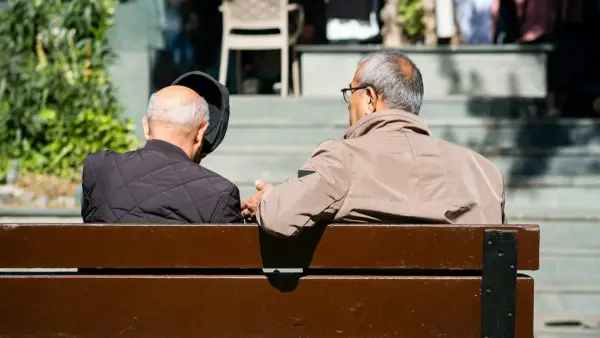
8 things the last generation of men who still call their closest friends by their last names - Henderson, not Paul, Kowalski, not Mike - do that reveal how their generation built intimacy not through familiarity but through a loyalty so consistent it never needed a first name to prove it was personal, according to psychology
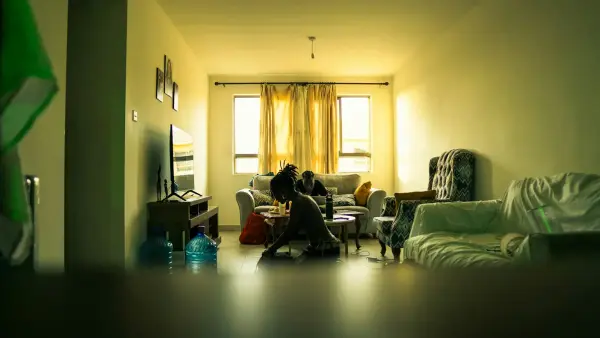
8 things people over 55 who still watch the evening news at the exact same time every night - not streaming it later, not scrolling headlines on a phone, but sitting down in the same chair at six o'clock with a posture that says the world delivers its report on a schedule and your job is to be present to receive it - do according to psychology, because the ritual was never about staying informed but about belonging to a generation that believed the day had a structure and the news was the closing ceremony that told you the world was still standing

8 things the last generation of women who kept a physical address book by the telephone - names written in pencil because people move, phone numbers crossed out and rewritten three times, and a few entries in someone else's handwriting because the person who lived at that address died and the book is the last place her hand still touches yours - do that reveal how their generation understood the difference between knowing someone and having access to them, according to psychology
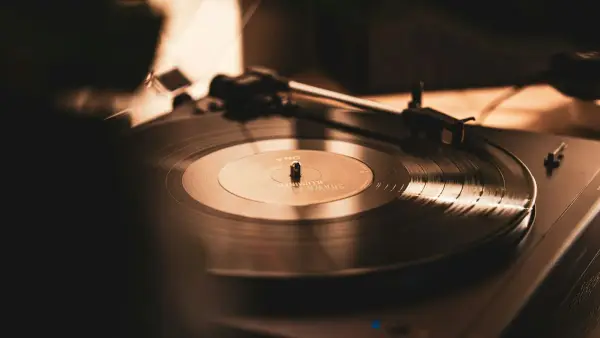
8 things people who still listen to the same music they loved at seventeen - who haven't added a new artist in thirty years and whose children's music sounds like noise but a three-chord song from 1987 can still make their chest ache - do that psychology says reveals not stubbornness but the fact that the brain's window for letting music permanently inside closes after adolescence
Generational Identity
There are parents over fifty-five who sign every text message - who write 'Love, Mom' at the bottom of a message that already shows their name at the top of the screen, who use a period at the end of every sentence and treat a two-line text about picking up milk with the same closing formality they would give a handwritten letter - not because they do not understand the technology but because a generation that learned to communicate through letters never separated the message from the closing, and the 'Love, Mom' beneath 'don't forget your jacket' is not a failure to adapt but the last surviving dialect of people who believed every sentence you sent someone deserved a signature that told them who loved them enough to write it
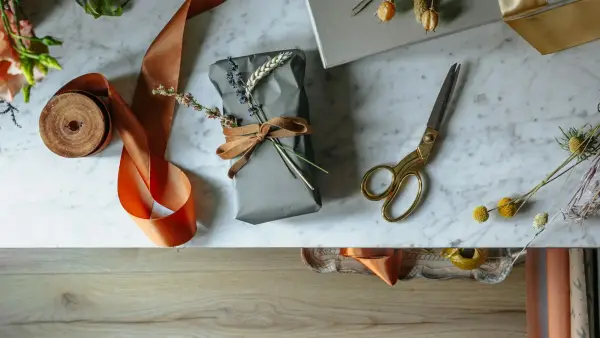
There are women who still wrap every gift by hand - who keep rolls of wrapping paper in a hall closet organized by season, who measure twice before cutting, who fold corners with a precision that makes the seams disappear - not because they do not know gift bags exist but because a girl who watched her mother transform a plain box with paper and scissors and a ribbon curled against a blade learned that the wrapping was never about the paper, it was the first sentence of a love letter the box itself could never deliver
7 things the last generation of boys who played outside until the streetlights came on do when they become fathers, according to psychology - the man who biked unsupervised to the creek at ten now checks his daughter's location four times before lunch because he remembers exactly what freedom contained
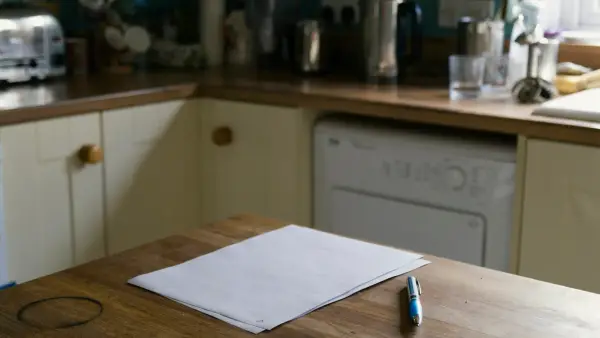
Girls who watched their mothers address every envelope by hand at the kitchen table, with a pen and a stack of Christmas cards and the quiet belief that a typed label meant you didn't care enough to slow down, often become women who cannot send a birthday card with a printed address without feeling they have committed a small act of emotional negligence
Generational Identity
He is 61 and has just realized that the reason he checks the oil in his adult daughter's car every time she visits - kneels on the driveway without being asked, opens the hood, inspects the tires, tests the wiper fluid - is not concern about her car but the only vocabulary for love a boy whose father said everything important through the condition of things was ever taught, and the man at sixty-one with a dipstick in his hand is not checking oil but saying something his mouth was never given the architecture to deliver
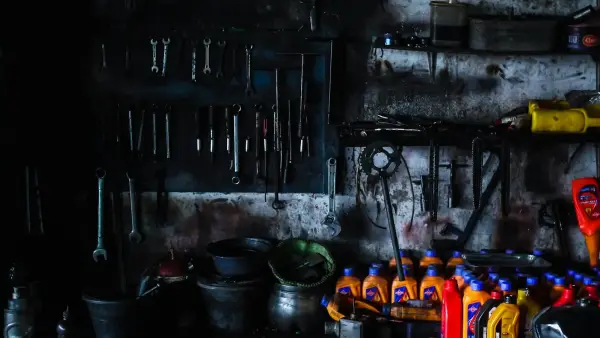
Psychology says men over 55 who cannot accept help - who will drive themselves to the emergency room before calling their son, fix the roof with a bad knee, and answer every 'how are you' with 'fine' regardless of what is actually happening inside their chest - are not stubborn and are not proud, they are the last generation of boys who were handed a definition of strength that had no room for the sentence 'I need you,' and the man at fifty-eight who waves off his daughter's hand on the icy stairs is not preserving his independence but protecting the only identity a boy was ever allowed to build

There is a generation of women who learned to type on a typewriter, switched to a computer without anyone offering to teach them, mastered email and texting and video calls and cloud storage and passwords for forty different accounts - who adapted to every technological revolution of the last four decades without a single person in their family noticing or thanking them - because a girl who watched her mother learn to drive at thirty-seven understood that a woman's competence was expected to arrive silently and never be called brave
Generational Identity
He is sixty and has just realized he has never once walked into a room in his own house without a reason - that every trip down the hallway has a task attached, every minute on the couch sends his body searching for something to carry or wipe or check, because a boy whose father asked 'what are you doing' every time he caught his son simply sitting learned that a man in a room without a task was a man who owed the room an explanation
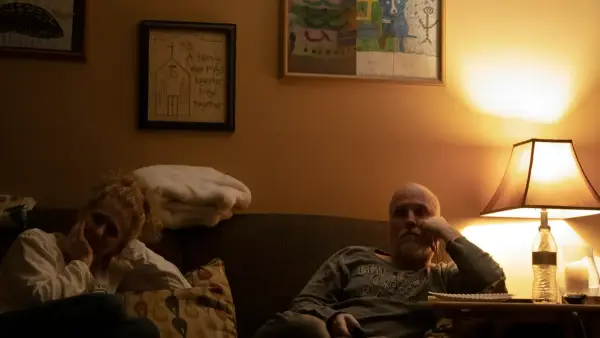
He's 60 and has just realized that his adult children communicate love in a language he was never issued - emoji hearts sent at midnight, memes that mean 'I was thinking about you,' voice notes rambling about nothing important - and the father who replies with 'Nice' or a single thumbs-up is not detached or disinterested but a man whose generation was handed one narrow vocabulary for closeness, and he is watching his children speak a fluent second one nobody ever taught him
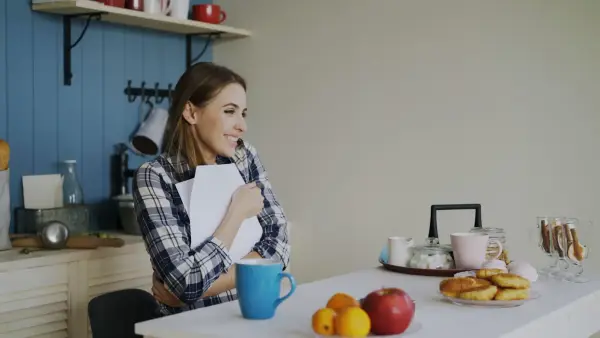
She is 53 and has quietly realized that her mother calls her three times a week needing help with things she used to do alone, and her daughter calls three times a week needing help with things she has not yet learned to do alone, and she is the only person in the family that nobody ever calls just to ask how she is doing - because somewhere between being someone's child and being someone's mother she became the wall that everyone leans against and nobody thinks to check
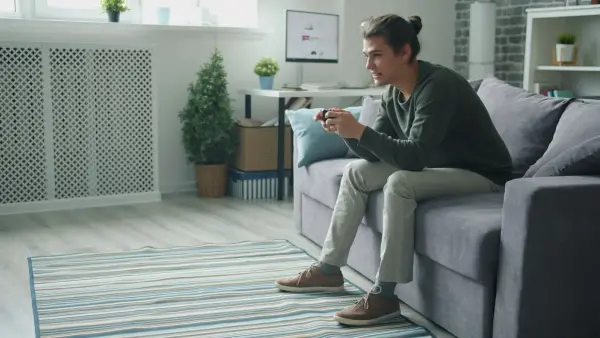
He's 57 and has just realized that not a single piece of furniture in his house was chosen because it was beautiful - every chair was chosen because it was sturdy, every surface because it would not show marks, every fabric because it was practical - and the man who has spent thirty years building a home that functions perfectly but delights him not at all is not sensible but still the boy who watched his father measure every object against how long it would last and learned before ten that beauty was something other people's families were allowed to want

Children who watched their mothers sit in the car and cry before walking into the house with a smile - whose first lesson in womanhood was not a conversation but a demonstration that there are feelings you are allowed to have and places you are not allowed to have them - often become women who do their falling apart in bathrooms, parking lots, and the shower at forty-nine, still following the blueprint a girl absorbed before she had language for what she was learning

Children who carried messages between parents living in the same house - who were told 'tell your father dinner is ready' by a woman standing ten feet from the man she married - often become adults who cannot witness a disagreement without inserting themselves as mediator, because a child who learned before eight that love between adults required an interpreter never stopped translating, and the woman at forty-seven who steps between arguing coworkers is not overstepping but still performing the only role that ever made her indispensable in a house where being necessary was the closest thing to being safe
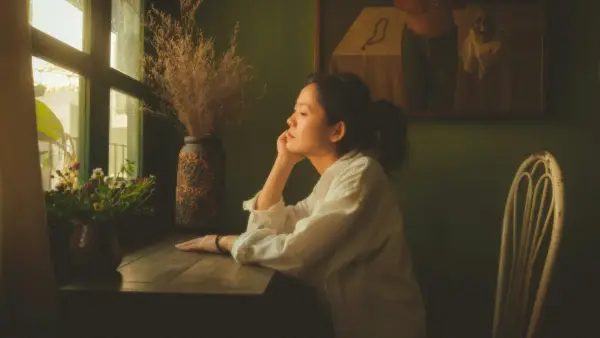
Children who reach the exact age their mother was during the divorce, the breakdown, or the night she drove away and came back before morning often describe a specific vertigo - not nostalgia, not grief, but the dizzying recognition that the woman they blamed for thirty years was their own age, in their own body, carrying their own weight, and the forgiveness that arrives at forty-one is not a decision but a physical event, the ground shifting beneath a person who suddenly understands they are standing exactly where she stood
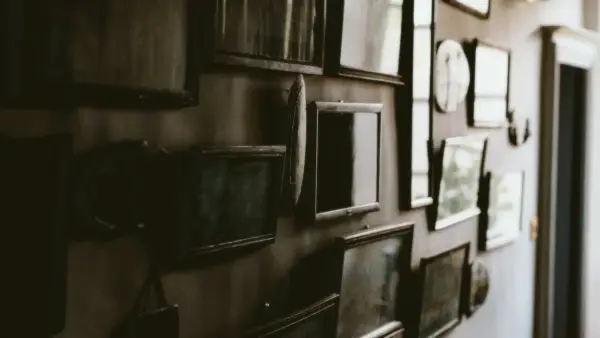
Children who grew up in houses where photographs were never displayed - where there were no framed pictures on the walls, no albums on the coffee table, no visual proof that the family existed as a unit worth remembering - often become adults who take thousands of photographs of their own children, who document every birthday and every ordinary Tuesday, not because they are obsessed with preserving moments but because a girl who grew up in a house with no evidence she had ever been small and loved and held is building the archive she never had, and the camera at forty-seven is not nostalgia but a rebuttal to a childhood that left no trace
Children who grew up in houses where the television was never turned off - where it played from morning through dinner through the last person falling asleep on the couch, not because anyone was watching but because silence in that house meant someone was angry and the screen was the only thing standing between a family and the conversation nobody wanted to have - often become adults who cannot exist in a quiet room without reaching for noise, and the podcast playing at forty-seven while she cooks dinner alone is not habit but the last surviving buffer between a woman and the kind of silence that still sounds exactly like something about to go wrong
He is 64 and has started writing down things he wants to tell his grandchildren someday - not advice or warnings or lessons about money but the small things nobody thinks to pass along, like the sound a screen door used to make in summer or what it felt like to be bored before there was something in your pocket that could fix it - because a man who spent forty years being useful has realized that the most important things he knows are not instructions but textures, and the world his grandchildren will inherit has already erased most of them
Children who grew up speaking one language at home and another everywhere else often become adults who carry two versions of themselves - the one whose deepest feelings still live in their mother's voice, and the one the world actually recognizes, and by their forties they're not sure which one is real
He is 58 and cannot hang up the phone without saying 'love you' to his adult children - not because he is sentimental but because a boy who spent thirty years listening for words his father could never find understood that the silence would outlive them both unless someone in the line decided to say it first, and the 'love you' at fifty-eight is not a habit but a door he is holding open for every man in his family who comes after him
Generational Identity
He is 61 and has quietly realized that he cannot walk past a child struggling with a bicycle without stopping - without crouching down to check the chain, without offering to hold the seat while they try again, without standing in a stranger's driveway for fifteen minutes he does not have - not because he is unusually kind but because a boy who taught himself to ride in an empty parking lot on a Saturday his father never came home for made a promise to every kid he would ever meet that nobody would learn anything that important alone, and the man on his knees at sixty-one is not being helpful but keeping a contract he wrote at nine
There are men over sixty who read the obituaries every morning before they read anything else, not because they are morbid or counting down but because they belong to the last generation that understood a community as something you tended to by knowing who left it, and the morning a name you recognized appeared in a small rectangle of newsprint was not a reminder of death but a debt of attention you owed to a life that had been running alongside yours for decades without either of you ever saying so
He is 62 and has just understood why he checks every smoke detector in the house twice a year on the same Saturday, why he keeps a flashlight in every room and knows which breaker controls which outlet and can find the water shutoff valve in the dark - not because he is cautious or prepared but because a boy whose father could fix any emergency without raising his voice learned that the safest man in a house was the one who already knew where everything was, and the flashlight at sixty-two is not a precaution but the only way a man who was never taught the words was ever able to say nothing bad will happen to you while I am here
There is a reason some men whistle the same shapeless melody their fathers whistled - while mowing the lawn, while standing at the grill, while tinkering under the hood of something that didn't need fixing - and the reason is that a boy who grew up hearing that sound from down the hallway learned that whistling meant the house was safe, that the man making the noise was calm, and the melody was never music but the sound a nervous system makes when it is finally at rest
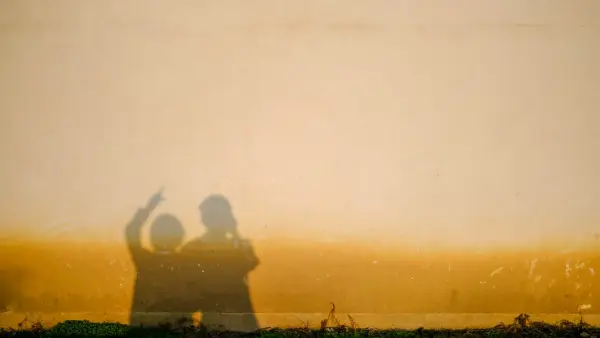
There is a kind of love that only exists between two people who still point things out to each other - a hawk, a sunset, a license plate from far away - not because the thing itself matters but because the pointing is a way of saying I am here and I want you to see what I see and that is the oldest sentence love knows
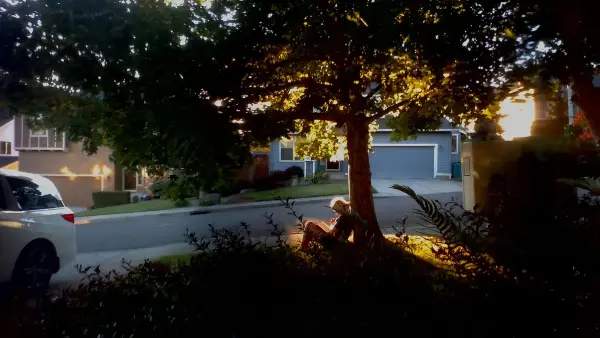
He's 59 and has quietly realized the reason he washes his car every Saturday morning regardless of whether rain is forecast for the afternoon is not about the car and never was - it was the only hour his father ever seemed unreachable by the world, standing in the driveway with a hose and a chamois in the kind of silence only men who don't have words for peace know how to build, and the ritual at fifty-nine is not maintenance but the closest thing to stillness a man who was never given permission to simply sit down has ever allowed himself
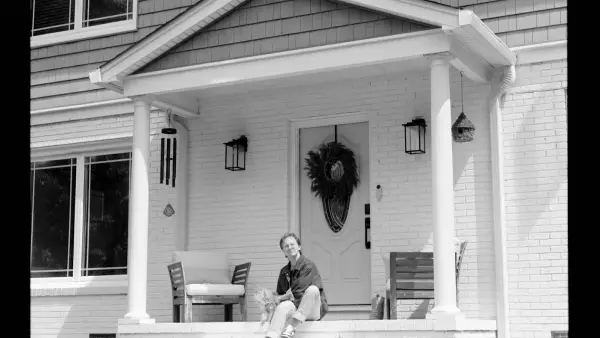
There are men who still wave at every car that passes their house even though they haven't known half the drivers in over a decade, not because they are friendly or stuck in the past but because a boy who grew up on a street where every adult raised a hand to every passing car learned that a neighborhood was not held together by fences or cameras but by the agreement that someone was always watching, and the wave at sixty-one is not a greeting but the last surviving clause of a contract that said I see you and if something happens I will notice
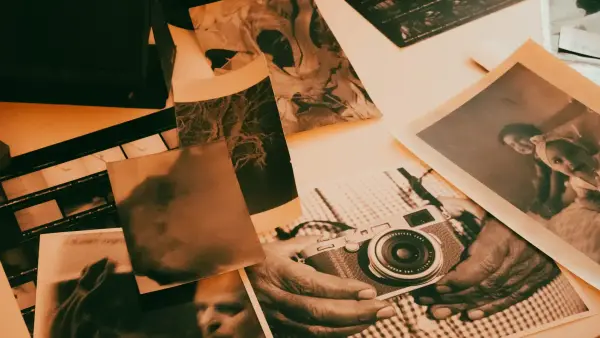
He's 62 and still keeps a box of photographs in the hall closet that took two weeks to come back from the drugstore - twenty-four exposures on a roll, each one a decision, and the reason he cannot explain to his daughter why he still prints the ones that matter even though her phone holds ten thousand images is that a boy who waited fourteen days to find out whether he captured Christmas morning learned that a photograph was not a picture but a promise you made to a moment that it would not be forgotten
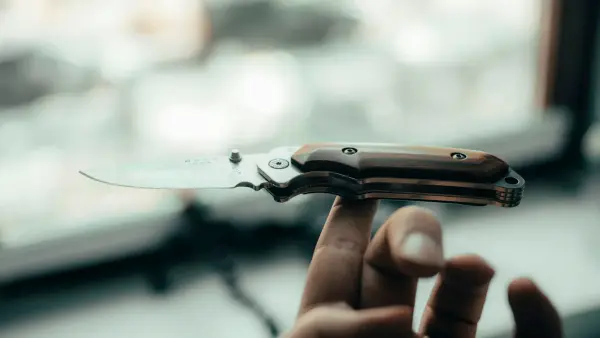
Men who still carry their father's pocket knife even though they have never once needed a knife in their daily lives understood something as boys that no one ever explained - that some things between fathers and sons are not passed hand to hand but pocket to pocket, and at fifty-seven the weight of it against his thigh is not a tool but the only inheritance that still feels warm
Psychology says people over fifty-five who still carry cash everywhere they go are not afraid of technology - they are the last generation that learned money was something you should be able to feel leaving your hands, and the bill in the wallet at sixty is not a backup plan but a person who watched their parents count physical currency at the kitchen table carrying forward the only relationship with money that ever felt real
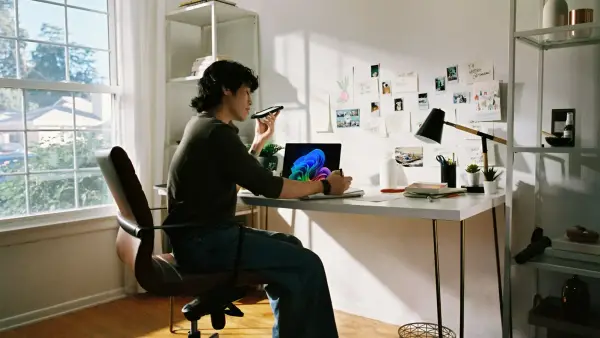
8 things that quietly happen to the generation of women who entered the workforce in the 1980s and 1990s while their own mothers told them a good wife stays home - who dropped their children at daycare with guilt that felt like a betrayal of everything they had been raised to believe, and the exhaustion they carry at sixty is not burnout but thirty years of defending a choice no previous generation of women in their family had ever been allowed to make, according to psychology
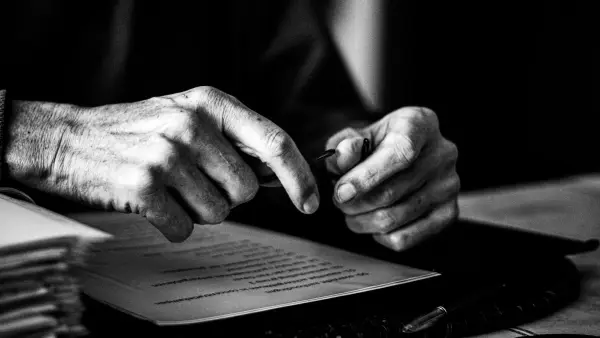
Psychology says people who still handwrite everything important - grocery lists, birthday cards, thank-you notes, the name of a book someone mentioned at dinner - are not resisting technology or clinging to the past, they are the last generation that was taught penmanship as a form of care, and the pen on paper at sixty-one is not nostalgia but proof that the slow, deliberate, unhurried version of themselves still exists underneath decades of rushing
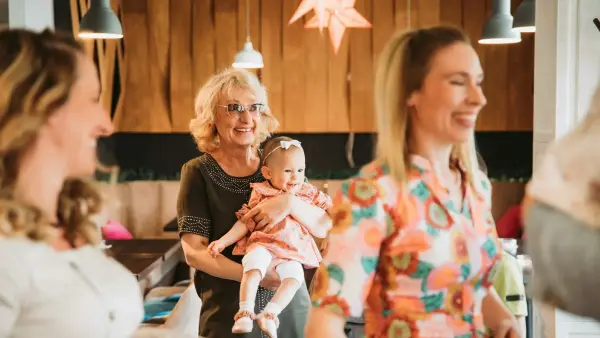
8 things that quietly happen to women who raised their children before the internet existed - who diagnosed fevers by the back of a hand and navigated colic with a neighbor's advice over the fence and made every decision about a small person's life with nothing but instinct, and who now watch their daughters Google every rash and still feel more uncertain than a woman with no manual ever did, according to psychology

There is a generation of men who learned to say I love you by warming up the car on winter mornings before their wives got in - who scraped the windshield and let the heater run and checked the tire pressure in the dark - and the morning their daughters came home with partners who said the words out loud at the dinner table, something in those fathers both broke and healed at the same time
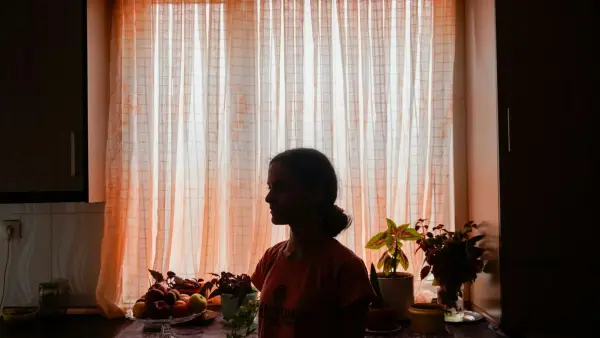
There are women who learned their mother's recipes without ever being handed a recipe card - standing in the doorway at nine, memorizing by the sound of oil in the pan and the way flour was measured by the tilt of a wrist rather than the line on a cup - and they carry those meals in their hands the way other people carry prayers, and the first time they cook Sunday dinner without being able to call and ask how much butter is the day the kitchen becomes both a cathedral and the loneliest room in the house
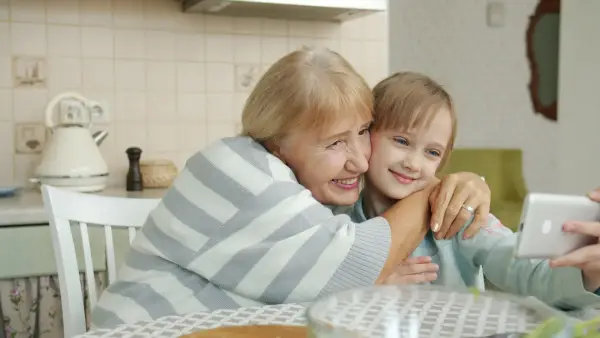
She's 59 and has quietly realized that the tightness she feels when she watches her daughter scroll through her phone during a conversation is not about phones or rudeness - it is that she grew up in a generation where the only proof someone was listening was their eyes, and a woman who spent fifty years reading faces to know whether she was safe has no way to decode a person who is looking down
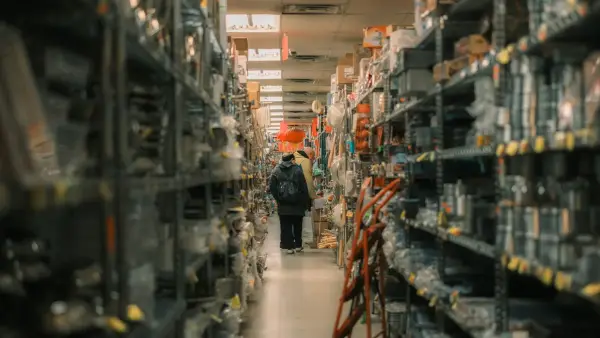
There are men who drive to the hardware store every Saturday morning with no list and no project, who walk the aisles slowly and nod at other men doing the same thing, and the reason they keep going back has nothing to do with what they might need to buy - it is that a generation of men who were never taught how to make a friend after thirty discovered that standing beside a stranger in comfortable silence while pretending to consider a box of screws was the closest they were ever going to get
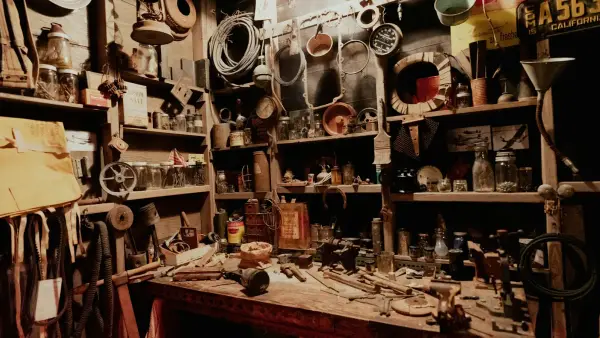
There are men who keep their father's old toolbox in the garage - the rusted wrenches, the hand drill with the cracked handle, the carpenter's level that hasn't been true in twenty years - not because the tools are useful but because a son who never learned how to say I miss you learned instead to keep the objects that still carry the weight of his father's hands
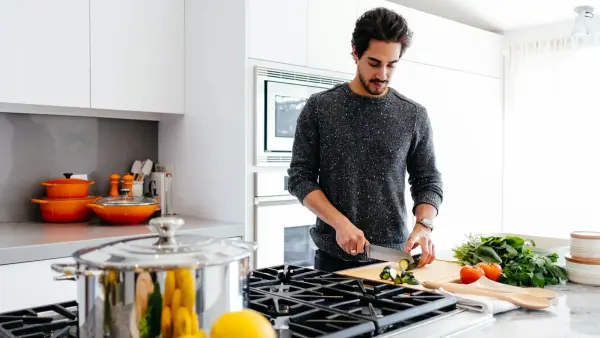
He's 55 and has finally understood that the reason he cannot enjoy a compliment about his cooking is not modesty - it is a boy who watched his mother cook for a family of six every night for forty years without anyone once saying the words thank you, and the praise that lands on him now at the dinner table feels stolen from the woman who deserved it first and never got it
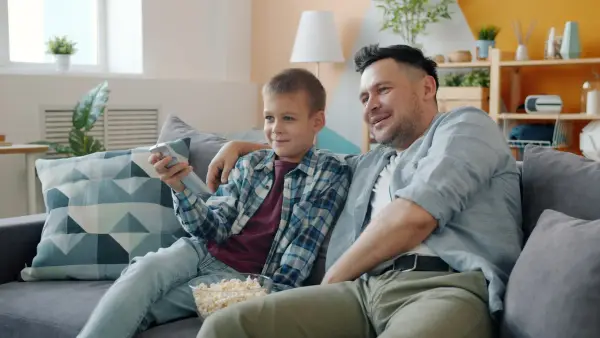
There are men who still remember the exact score of a game they watched with their father thirty years ago but cannot remember the last time their father told them he was proud, and the sports statistics they carry like scripture are not about the game at all but about the only version of closeness a boy was ever offered, and the man at fifty-three who can recite every detail of that afternoon is still trying to say I needed more from you in the only language his father ever spoke
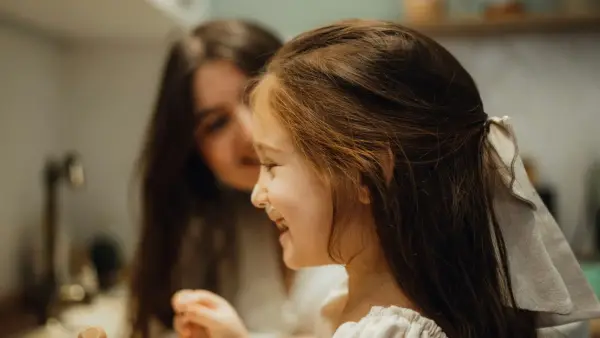
There is a moment every parent dreads without knowing they are dreading it - the first time you hear your child say 'I'm sorry' for something that was never their fault, in the exact voice you used at their age, and you realize the apology has been traveling through your family for three generations, each woman teaching the next that the safest way to exist in a room was to preemptively forgive herself for being in it
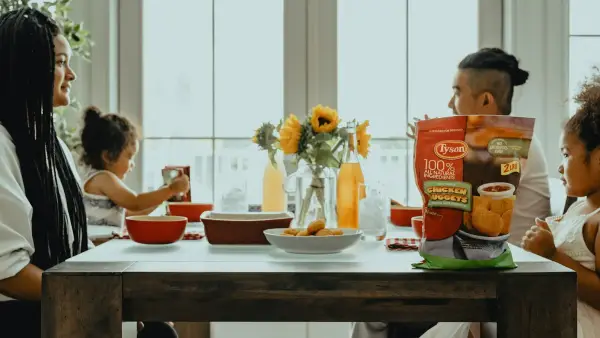
There are women who have never once sat down to eat a meal at their own table while the food was still hot - who served the children first, then the husband, checked if anyone needed seconds, wiped the counter, refilled the water pitcher, and by the time they finally pulled out their own chair the plate had gone cold and nobody at the table noticed because a woman eating last was never something anyone in that family thought to question
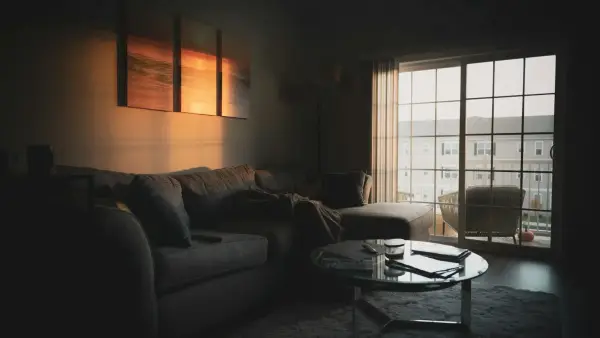
Children who grew up in houses where the television was always on - not because anyone was watching, but because silence felt dangerous or unpredictable - often become adults who cannot work, cook, or fall asleep without background noise, and the podcast playing in their earbuds at fifty is the same protection a six-year-old invented against a quiet that was never actually quiet
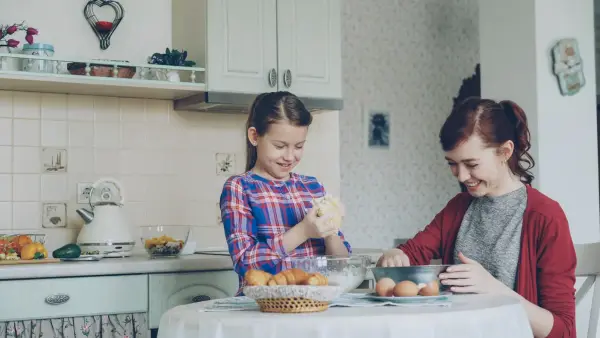
She's 61 and has quietly realized that every piece of unsolicited advice she keeps giving her adult daughter is not worry and it is not control - it is the exact sentence she needed to hear at twenty-three, delivered three decades too late to a woman who does not need it, and the hardest part is not that her daughter dismisses the words but that nobody said them to her when the hearing would have changed everything
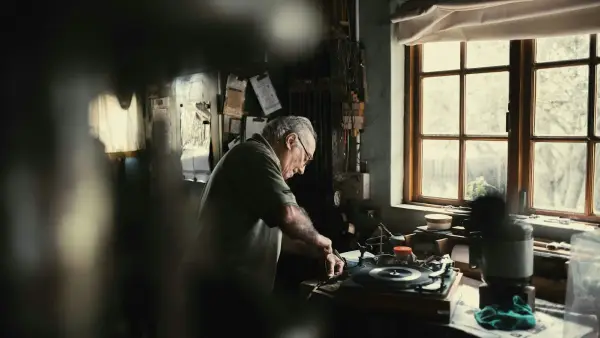
There are men who still keep their father's tools in the garage - the handsaw with the worn grip, the level that does not quite sit true anymore, the wrenches organized by size on a pegboard that has not been rearranged since 1987 - not because the tools are useful but because holding them is the closest thing to a conversation they will ever have with a man who died without finishing the sentence he started the night he almost said I am proud of you
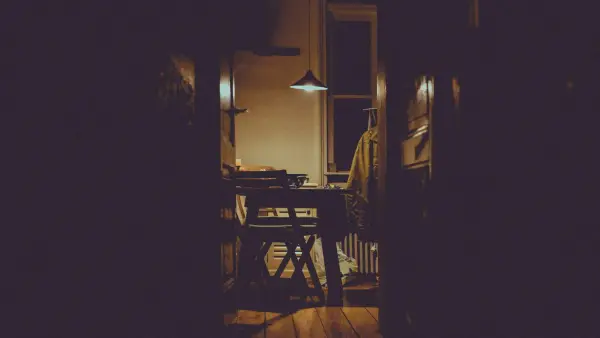
Men who grew up watching their fathers check every lock in the house before bed - the front door, the back door, the garage, the windows - often become adults who perform the same circuit every night without being asked, and the ritual they call habit is actually a prayer a boy learned from watching a man who could not say I love you any other way but by making the house safe enough for everyone inside it to sleep
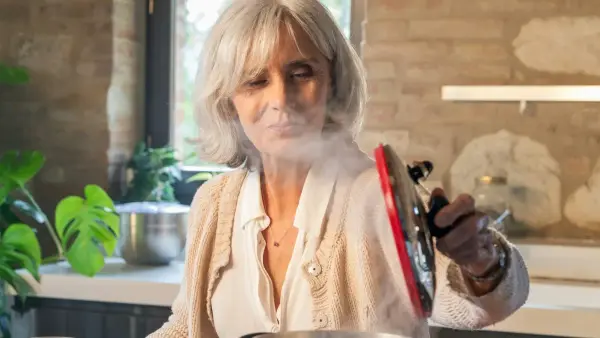
There is a grief that only arrives when you are cleaning out a parent's house and you open a drawer to find twenty years of saved twist-ties, rubber bands, and plastic bags folded into perfect triangles, and you understand for the first time that frugality was never about money - it was a woman who grew up with nothing making sure that no useful thing was ever wasted, and the drawer you are emptying is not clutter but twenty years of a mother saying I will be ready for whatever comes in the only language her childhood gave her
There are fathers whose entire vocabulary of love sounds like warning - drive safe, lock the door, don't trust anyone you just met, check your oil before a long trip - and their children spend decades believing they were raised by a worrier until they become parents themselves and hear the same warnings leaving their own mouth and finally understand that every caution was a man saying I cannot survive losing you in the only language anyone ever gave him
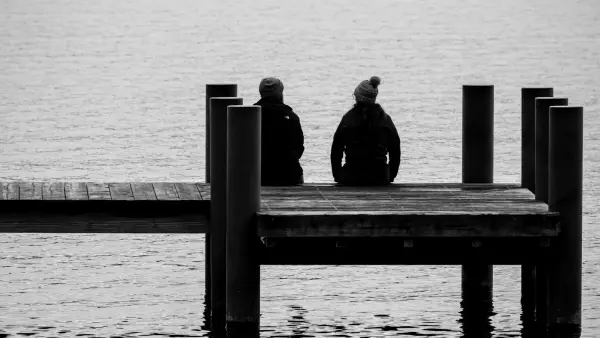
Psychology says men over 55 who have had the same best friend for thirty years but have never once told him they love him are not emotionally closed - they were the last generation of boys taught that male closeness had exactly one acceptable shape, and the kid who tried a different one learned in a single schoolyard moment what it cost
There is a generation of women who learned to cook by standing next to their mothers and watching - no recipe written down, no measurement spoken aloud, just the way a hand moved through flour and the sound a pan made when the oil was ready - and now at sixty they are trying to teach their own daughters and realizing that what they actually inherited was not a recipe but proximity, and what they are grieving is not a dish but the fact that nobody stands that close to anyone in a kitchen anymore
Women who wash every container before throwing it away, who cut the mold off cheese instead of buying a new block, who save every twist tie and rubber band - the frugality everyone notices at sixty is not cheapness, it is the physical inheritance of a mother who spelled love by making enough out of not quite enough
Psychology says men who learned to greet their fathers with a handshake instead of a hug - the firm grip, the single nod, the shoulder that turns just enough to prevent a full embrace - aren't carrying emotional damage, they were raised in a generation where love between men had a formal grammar, and the hand they extend at sixty-two is still the most intimate gesture their body was ever given permission to make
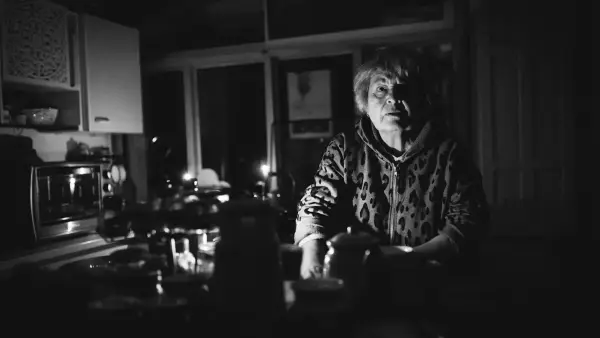
He's 64 and has started eating dinner alone in the kitchen after his wife goes to bed - not because the marriage is failing but because a man who spent forty years eating whatever everyone else chose, at the hour everyone else needed, on a schedule that was never once his, has discovered that a bowl of something simple at ten o'clock at night with nobody to perform for is the first honest meal he has eaten in his entire adult life
Children who came home from school to an empty house every day - who let themselves in with the key on a string around their neck, made their own snacks, and learned at nine that 'independence' was just the word adults used for the absence of someone who should have been there - often become adults who cannot ask for help even when they are drowning, because their body still believes that needing someone is a burden nobody signed up to carry
Psychology says people over 55 who feel a strange discomfort when younger colleagues openly discuss their mental health at work aren't being dismissive or old-fashioned - they are the generation that survived by building an airtight wall between who they were and who they performed as, and watching someone tear that wall down casually in a Monday meeting triggers something they have no name for, half grief for the decades they spent hiding and half awe that it was ever allowed to be this simple
There is a generation of women who were the first in their families to go to college, who walked across a stage their mothers never stood on, and spent the next thirty years living between two worlds that both made them feel like visitors - too educated for the kitchen table they grew up at, too rough around the edges for the conference rooms they fought to enter - and the loneliness they carry at fifty-five is not ingratitude but the quiet cost of climbing a ladder that only goes one direction
He's 62 and has just realized that every piece of advice he ever gave his children was not guidance but a quiet letter to his own childhood, that the father he tried so hard to become was the one he needed at ten, and the tenderness he poured into their lives was the repair manual he never received for his own

She's 60 and has quietly realized she spent her entire adult life performing the version of womanhood her mother's generation designed - the clean house, the made bed, the dinner ready by six, the smile when company arrived - not because she believed in it but because disappointing a woman who sacrificed everything felt like a debt she could never repay
Boys who grew up in houses where their father sat in the same chair every night and said nothing become men who spend their fifties trying to understand a man who left no evidence of his interior life but the shape of his body in a cushion
She's 63 and has finally understood that her generation's version of therapy was a long drive with the windows down and a song that said everything they couldn't, and the reason it worked had nothing to do with avoidance and everything to do with a nervous system that needed rhythm and motion more than it needed someone asking how that made you feel
He's 61 and has quietly realized that the reason he buys too much food every time his adult children come home - three kinds of juice nobody asked for, snacks they haven't eaten since middle school, a refrigerator so full the door barely closes - is not generosity and it is not habit, it is a man whose own father's refrigerator was always half-empty quietly rewriting the story one grocery bag at a time
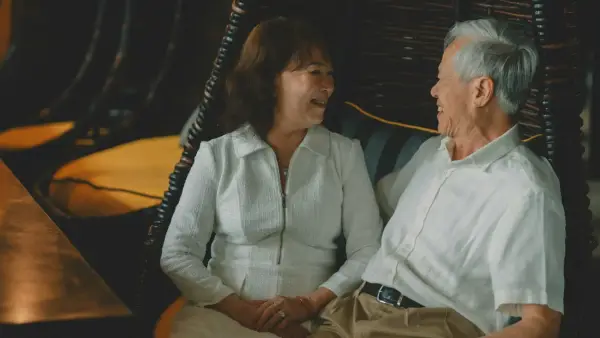
There is a moment when you realize your parents have become smaller, not in height but in the way they move through the world, and the grief of it is not that they are aging but that you are watching the largest people in your childhood become uncertain in real time
There are women who learned to cook by standing beside someone who never used a recipe, who measured flour by the weight of it in her palm and tested oil by the sound it made when a bread crumb hit the pan, and the grief they carry now is not that she is gone but that nobody ever wrote down what a pinch of enough looked like in her hands
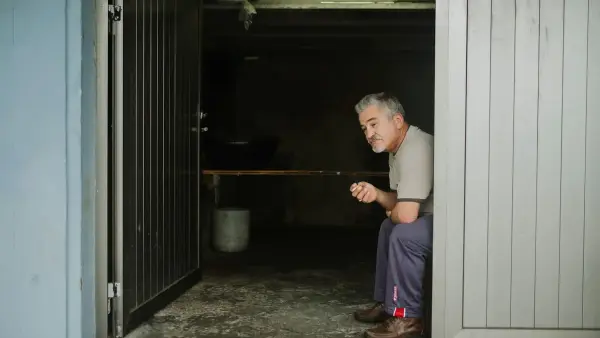
He's 58 and has quietly realized that every time he watches a YouTube tutorial to learn something his father should have taught him - how to tie a Windsor knot, how to change a faucet washer, how to grill a steak properly - the tightness in his chest is not frustration with the algorithm but grief for a version of fatherhood he was promised by every television show and never actually given
There is a generation of women who learned to drive in their thirties or forties because their husbands always drove, and the afternoon they first backed out of the driveway alone, the car was not transportation - it was the first machine in their life that went exactly where they wanted without asking anyone's permission first
There is a generation of men who learned to cook after their wives died - not because they wanted to, but because they discovered at seventy-three that a kitchen was the only room in the house where the missing person's absence felt manageable
There is a moment in your mid-forties when you hear your mother's exact voice come out of your own mouth - not her words but the tone, the specific rising note of worry she used when you were nine and running too close to the road - and it stops you cold because you spent thirty years becoming someone else and your body chose her anyway
There is a generation of fathers who showed love by fixing things, the broken faucet and the squeaking door and the car that wouldn't start, and now find themselves at seventy in houses with adult children who don't need anything fixed, and don't know how to say I love you in any language other than the one nobody is asking for
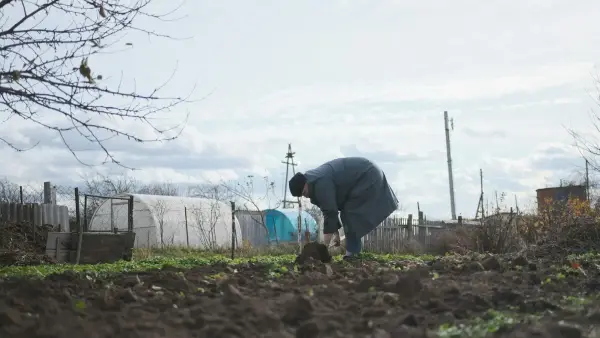
There is a generation of women in their sixties who tend vegetable gardens at first light, who pull weeds with bare hands and listen to the kettle without reaching for a phone, and somewhere in the last decade an entire industry began selling what they have been doing all along to people who never learned how to be alone with growing things
Boys who grew up in working-class homes where their fathers came home too exhausted to speak often become men who can only show love through what they can fix, build, or carry to the car, because the only version of devotion they ever witnessed was a man quietly using his body until it gave out
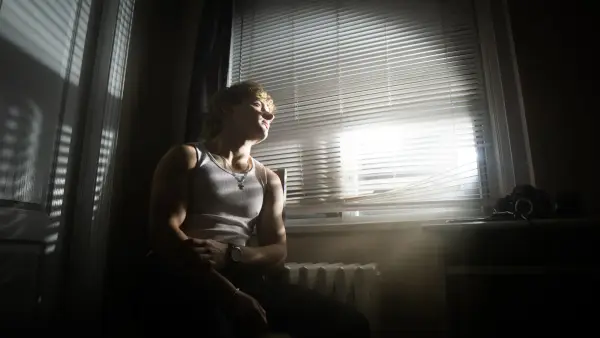
There is a generation of women who spent forty years telling themselves that once the children were grown and the husband was retired and the house was finally theirs again they would finally learn how to want something just for themselves, and are only now, at sixty-seven, beginning to suspect that the waiting itself became the shape of who they were, and that a woman who has not practiced wanting in four decades does not remember how
There is a generation of women who shared a bed with the same man for forty years and became fluent in the weather of his silences long before anyone thought to ask whether the silence between them was closeness or just the quiet that grows between two people who stopped explaining themselves, and some of them are only now, at seventy, beginning to wonder whether the intimacy they practiced was ever the intimacy they actually wanted
8 things people who came home to an empty house after school in the 1980s still do without realizing it, and every single one started the afternoon they learned that being alone was not something to fear but something to become, according to psychology
She's 61 and has spent the last year watching her daughter say no to things with an ease that still stuns her, because she raised a woman who protects her own time, energy, and peace - and the pride she feels is wrapped in a grief she wasn't expecting, for the version of herself who gave everything away and called it love
There is a generation of women who were raised to believe that needing nothing from anyone was the highest form of strength, who built lives so impressively self-contained that everyone called it inspiring, and who are only now at sixty realizing the independence everyone admired was actually a wall they built so carefully that even they forgot there was someone behind it
There is a generation of men who were taught that providing was the same thing as loving, and who spent forty years proving their devotion in a language their families stopped speaking
There is a generation that practiced every form of self-care the wellness industry now sells for forty dollars an hour, they just called it going for a walk or having tea in the garden or sitting on the porch watching the evening settle in without needing to tell anyone about it