Childhood Patterns
How the things we learned before we had words still shape who we are today.
Childhood Patterns
Children who always knew which parent to ask for permission depending on what they wanted - who went to Mom for sleepovers and Dad for spending money, who mapped the emotional terrain of each adult in the house like a surveyor charting which roads were passable and which ones were washed out - often become adults who instinctively read every room for who holds which kind of power, not because they are manipulative but because a child who learned that survival required knowing which door to knock on never stopped cataloging who controls what

Children who always waited in the car while their parent ran into the store - who sat in the backseat watching the entrance, counting the minutes, scanning every face that came through the automatic doors for the one face that meant safe - often become adults who cannot wait for anyone without an invisible timer starting in their chest
Children who always drew the same picture over and over - the same house, the same tree, the same sun with the same triangular rays, the same family standing in the same green yard - often become adults who cannot rest until every object in their home is exactly where they placed it, because a child who grew up in a house where nothing stayed the same learned that the only world she could keep still was the one she drew with her own hands
Children who translated for their parents at every doctor's office, every parent-teacher conference, and every phone call from the bank - who learned the word for "mortgage" before they learned the word for "recess" - often become adults who cannot stop translating the world for everyone around them, because a child who stood between her mother's language and the country's language learned that love was not a feeling but a bridge she built with her own mouth every time someone her family needed could not understand them
Children who memorized their parents' license plate numbers before they could spell their own last name - who could spot their mother's car from across a parking lot by the dent in the bumper and the sun visor always pulled halfway down, who scanned every pickup line for the one shape that meant safe - often become adults who notice every unfamiliar car on their street and register every face that does not belong in their building's lobby, because a child who spent her afternoons on a curb watching for a car that was sometimes late and sometimes did not come at all learned that the difference between safe and abandoned is the ability to recognize your rescue from a hundred yards away
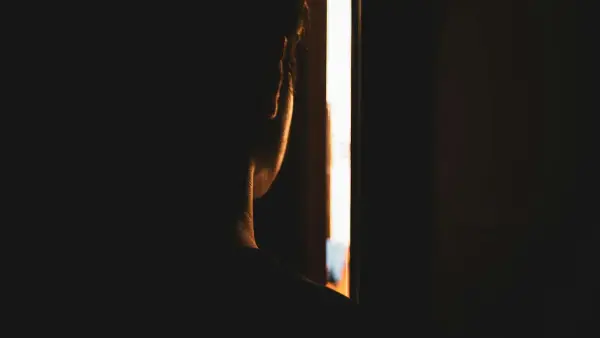
There is a particular kind of person who still cannot fall asleep with the closet door open - she is not afraid of the dark, she is the girl who lay awake at eight years old watching the gap between door and frame, and learned the only way to make the night safe was to give the dark a boundary

Children who always checked the backseat of the car before getting in - who opened closet doors all the way before turning off the light, who pulled back the shower curtain every single time even in their own bathroom - often become adults who scan every parking garage, walk the perimeter of every hotel room before setting down their bag, and cannot settle into any new space until their eyes have confirmed that every corner is accounted for, not because they expect danger but because a child who learned that surprise was never neutral in her house trained her body to clear every room before her mind was allowed to rest in it
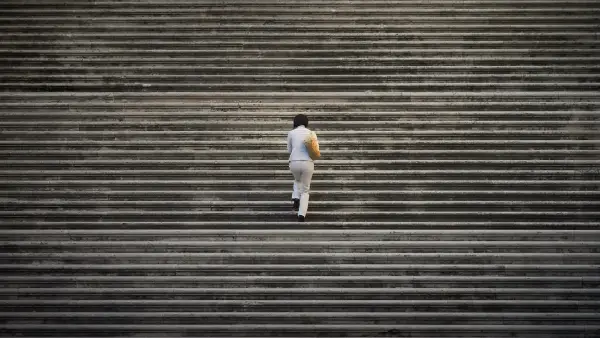
Children who always counted stairs while climbing them - who needed the number before they could reach the top, who whispered 'seven, eight, nine' under their breath on every staircase - often become adults who track everything, every step, every hour, every percentage, because a child who could not see how much further she had to go learned that the only way to survive something of unknown length was to assign it a number
Children who grew up never quite sure their belongings would be where they left them often become adults who pat their pockets before leaving any room - not because they forget things, but because their nervous system still needs to confirm they can leave safely

Children who always pretended to be asleep when a parent checked on them at night - who held perfectly still when the door cracked open and the light from the hallway fell across the bed, who regulated their breathing to mimic sleep with a precision no child should have needed to learn - often become adults who pretend to be fine with an accuracy that frightens even themselves, because a child who discovered that being visibly awake invited a conversation he was not emotionally prepared to have at eleven o'clock at night learned that the safest response to being checked on was the appearance of absence

Children who woke up before everyone else in the house were not early risers - they were children who had learned by six or seven that the first hour of a household determined the emotional temperature of the entire day, and if they could be awake and dressed and already reading the room before anyone else stirred, they had a head start on whatever was coming, and those children almost always become adults who still rise before dawn not because they love mornings but because their nervous system never stopped treating the first quiet hour as a rehearsal for survival

Children who collected small things they found on the ground - smooth stones, buttons, acorn caps, broken glass worn soft by weather - and carried them in jacket pockets often become adults who keep everything, because a child who discovered the only beautiful things she could rely on were the ones she physically picked up and put in her pocket never learned to trust that beauty would still be there if she left it behind
Children who always laid out tomorrow's clothes the night before - who folded each piece in the order they would put it on, who set their shoes by the door with the laces already loosened, who zipped the backpack and placed it on the same chair facing the same direction every single night - often become adults who cannot start a day without a plan, because a child whose mornings were the most unpredictable part of the day discovered that the only anxiety you could quiet at nine in the evening was the anxiety scheduled for seven the next morning, and over-preparation became the only lullaby that actually worked

Children who always tracked when their parents would get home - who watched for headlights on the ceiling, who listened for the engine in the driveway, who could not fall asleep until the front door opened and a particular set of footsteps crossed the kitchen floor - often become adults who say 'text me when you get home' to everyone they love, because a child who appointed themselves the household lighthouse never learned how to turn the beam off
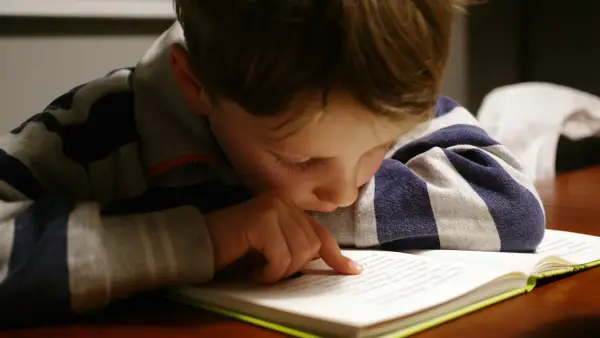
Children who always carried a book everywhere they went - to restaurants, to family dinners, to the back seat of the car, to the dentist's waiting room, to bed with a flashlight under the covers - often become adults who cannot sit in a room without something to read, hold, or scroll through, because the safest place in an unpredictable house was inside someone else's story
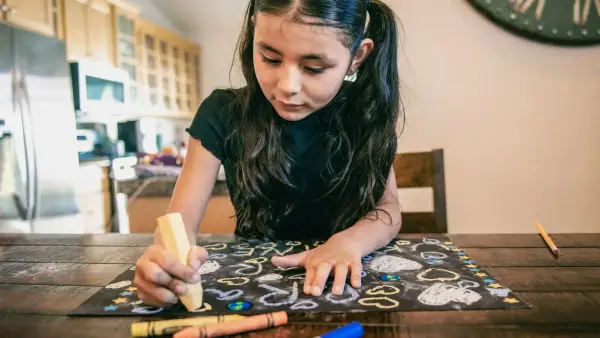
Children who always drew maps of their neighborhood from memory - who sat at the kitchen table with crayons and mapped every house, every fence, every alley shortcut, who knew exactly how many steps from their front door to the bus stop and which sidewalk squares had cracks - often become adults who still carry mental maps of everywhere they have ever lived, because a child who drew her world from above was learning the only perspective from which it felt manageable

Children who watched their fathers fold the newspaper into thirds at the breakfast table every morning - the precise vertical fold then the horizontal creating a rectangle that fit beside the coffee cup and could be held in one hand while the other held a piece of toast - often become adults who fold everything, because a child who watched a man take a broadsheet of chaos and reduce it to something that fit in his hand learned that the world was manageable if you found the right fold
Children who learned to cook by standing on a chair beside the stove and watching - who memorized the sound of oil reaching the right temperature, who knew by smell alone when the onions were done, who absorbed an entire cuisine through proximity rather than instruction - often become adults who trust their senses more than any recipe, because a kitchen where nobody explained anything taught them that the most important knowledge arrives through the body, not the page
Children who recorded songs off the radio onto cassette tapes - who sat cross-legged on the bedroom floor with one finger hovering over the play-and-record buttons, waiting for the DJ to stop talking, who pressed down at the exact right moment and held their breath through the entire song - often become adults who are extraordinarily patient with the people they love, because a child who learned that the most beautiful thing on the radio would only pass by once learned that the only skill that matters is knowing when to press down
Children who watched the same movie every single day after school - who rewound the VHS tape until the tracking lines scarred the picture, who could recite every word before the characters said them - often become adults who reread the same books, rewatch the same shows, and return to the same restaurants not because they lack curiosity but because a child who lived in a house where everything could change without warning built a private country out of the only story that always ended the same way

Children who organized their crayons by color - who sorted the box from lightest to darkest and couldn't begin drawing until every shade was in its place - often become adults who cannot start a task until everything around them is in perfect order, because the only thing that child could control was the small world within arm's reach
Children who watched their grandfather sharpen knives on a whetstone in the garage - who sat on the cold concrete floor while the blade moved across the stone in long, deliberate strokes - often become adults who trust that the most important work in life happens slowly, quietly, and without anyone watching

Children who watched their mothers test the bath water with the inside of their wrist before they were allowed to step in often become parents who discover their body carries a curriculum their mind never registered attending
Children who helped their mothers hang laundry on the clothesline - who stood in the backyard handing up wooden clothespins one at a time and watched sheets billow like sails in the wind - often become adults who find an inexplicable peace in repetitive outdoor tasks, because a daughter who stood in the morning sun while her mother pinned wet shirts to a wire learned that the quietest hour of the day was the only one where that woman looked like she belonged entirely to herself
Children who fell asleep on the porch swing to the creak of the chain and the sound of their parents talking about things they half understood often become adults who need gentle motion to think clearly - because they learned that honesty only surfaced when everyone was swaying together and that stillness is where truth hides
8 things people who fold the laundry the moment the dryer stops - who will leave a conversation, pause whatever they are watching, get up from bed at eleven at night to pull the warm clothes from the drum before they cool and settle into wrinkles - do according to psychology, because a child who grew up watching warm things go cold because nobody came for them in time learned that the wrinkle was never about the fabric
Children who noticed when adults spelled words instead of saying them - who understood by age six that the letters their parents traded across the kitchen table were not a game but a gate - often become adults who cannot hear a conversation carefully avoiding a subject without hearing the subject itself, because a child who taught herself to decode what the room was hiding never received the moment when the room said it was safe to stop listening
Children who always drew pictures for the adults around them - who brought a crayon drawing to a mother who had not smiled in days, who folded a piece of paper into a card for a father who came home quiet, who left small bright things on pillows and kitchen counters like offerings at an altar they did not understand - often become adults who still believe the right gift or the right gesture can reach a person who has gone somewhere words cannot follow, because a child who could not fix the sadness in a room discovered that a drawing slid across the table was the closest thing to a cure her small hands could build
8 things children who memorized every stop on their school bus route - who knew exactly which house had the cracked mailbox, which corner the driver took too fast, which stretch of road meant they were seven minutes from home - quietly do as adults, according to psychology

8 things children who were told 'you should know better' before they were old enough to know anything at all do as adults, according to psychology - because the girl whose mistakes were treated as moral failures rather than developmental inevitabilities learned that learning itself was something she was supposed to have already finished
Children who always memorized the route home from everywhere they were taken - who watched out the car window and counted every turn, tracked every landmark, noted every street sign - not because they loved geography but because a child who was never entirely certain the ride home was guaranteed needed to know she could find her way back on her own if the car never came

Children who always noticed when the household was about to run out of something - who tracked the level of the milk carton, the number of paper towels left on the roll, the soap shrinking in the bathroom dish - before anyone asked them to and often before anyone else noticed, often become adults who walk through their own homes conducting a constant invisible inventory of everything that might be about to run out, because a child who learned that running out of something was never just about supplies but about the mood that followed the discovery built a surveillance system that measures abundance the way other people measure weather
Children who always made sure everyone else had enough before they served themselves - who counted the pieces of chicken at dinner and divided by the number of people at the table before reaching for their own - often become adults who cannot enjoy abundance without first scanning the room to confirm that everyone around them has been served
8 things adults who were always called 'the responsible one' as children do without realizing it, according to psychology, because that label was never a compliment - it was the family handing a ten-year-old the weight of their entire household and calling it a personality trait
7 things men who were always told 'you're so strong' as boys do as adults, according to psychology - the boy who was never allowed to cry, break down, or ask for help because his pain was always reframed as proof of character, and now at fifty-five he cannot identify his own emotions with any precision because the vocabulary was never permitted

8 things adults who were always told 'you're such a good listener' as children do, according to psychology - the child who learned to track everyone else's emotions because expressing her own was never safe, and now knows everything about everyone while nobody knows anything about her
8 things adults who were always told 'you never give us any trouble' as children do, according to psychology - the child who learned that the highest compliment in her house was the absence of need, and now at fifty-two she cannot ask for anything without first apologizing for the inconvenience of having wants at all

8 things adults who spent their childhood being told 'you are so mature for your age' - who were praised for never crying, never complaining, never needing to be taken care of the way children are supposed to need to be taken care of - do without realizing it, according to psychology, because a child who was rewarded for the absence of childhood does not grow up to be a functional adult but a tired one who has been performing competence since before she understood what she was auditioning for
Childhood Patterns
Children who learned to tell time by the quality of light in the house - who knew that the angle of sun through the kitchen window at four o'clock meant the afternoon was still theirs but the shift to amber at five thirty meant someone was about to come home and the evening was about to begin - become adults who feel a quiet unnamed anxiety every day at dusk, not because they fear the dark but because the girl who tracked the sun across the linoleum never stopped reading the light for what it promised about the next three hours
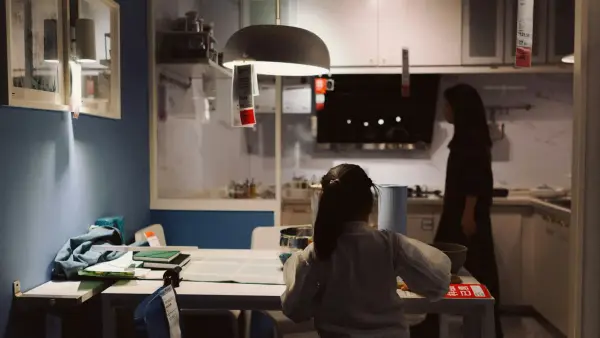
8 things adults who spent their childhood translating for their parents do without realizing it, according to psychology - the ones who learned at seven that authority was just a vocabulary you could borrow, who still position themselves between a stranger and anyone they love, and who cannot hear someone struggling to find the right words without their whole body leaning forward to help
8 things people who remember every birthday, every anniversary, every small preference of the people they love - who send the card, buy the exact right gift, and mark the date months in advance - but feel a quiet, specific ache when their own birthday passes without the same care reveal about what childhood taught them about the direction love was allowed to travel, according to psychology
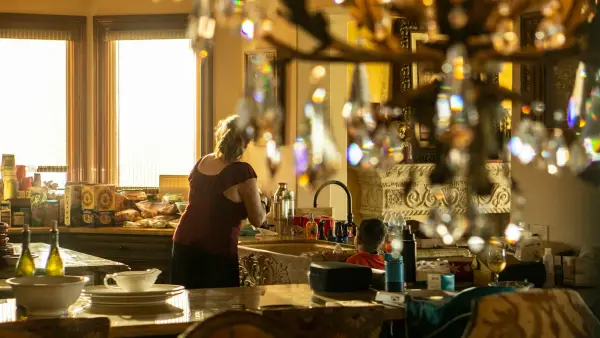
Children who always set the table before being asked - who had the forks in position, the glasses filled, and the napkins folded before anyone said dinner was ready, who understood by age seven that the difference between a calm meal and a tense one could be measured in how prepared the table looked when the first person sat down - often become adults who arrive everywhere early to make sure the room is ready, because a girl who discovered that being useful before being asked was the only reliable way to preempt the question of whether she was welcome learned that the shortest distance between invisible and safe was a place setting no one had requested
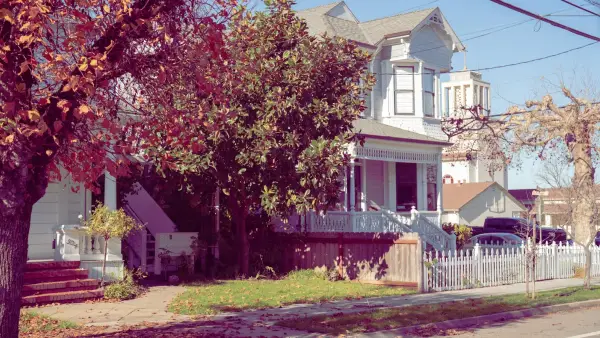
There is a specific kind of child who always knew which neighbor could be trusted in an emergency - who had mapped by age eight which front door to knock on if something went wrong at home, which adult would let them in without asking questions, which kitchen had food and which porch light meant someone was still awake - and the adult at fifty-two who sizes up every new person for whether they would answer the door at two in the morning is not guarded but a girl who built her own safety net because the one she was born into had holes
Children who always knew what time their parent was supposed to be home - who watched the clock past the expected arrival minute and felt something in the house shift with every tick beyond it - often become adults who cannot rest until every person they love has checked in, texted back, or walked through the door, because a child who learned that lateness was never just traffic but potentially the opening scene of the worst night of their life never stopped treating an unanswered message as evidence that something has gone wrong
Children who always knew when the mail arrived - who listened for the slot, who checked the mailbox before anyone asked them to, who could tell by the shape of an envelope whether the next twenty minutes would be calm or catastrophic - often become adults who still feel a small jolt of dread every time they hear a notification, because a child who learned that information delivered to the front door could rearrange the emotional architecture of the entire house never stopped treating incoming messages as verdicts
8 things people who always eat the least appealing thing on their plate first - who save the best bite for last and feel a genuine unease watching someone start a meal with dessert - reveal about what their childhood taught them about the conditions for pleasure, according to psychology

Children who always knew where the first aid kit was - who could find the bandages, the antiseptic, the tweezers in the dark before anyone else in the family had even finished processing that someone was hurt - often become adults who carry ibuprofen in every bag they own and a small emergency kit in the trunk of every car they have ever driven, not because they are anxious but because a girl who learned that being the one with the supplies was the only reliable way to matter in a house full of louder, more visible people discovered that preparedness was the quietest form of love she was allowed to give

Children who learned to tell time before they learned to read - who watched the clock on the kitchen wall the way other children watched cartoons, who knew that 5:15 meant something different from 5:45 because the distance between those thirty minutes was the distance between two entirely different households - often become adults who are sharply aware of every passing minute, who check their watch not because they are late but because a child who learned that the hour determined the emotional weather of the house never stopped reading the clock as a forecast
Children who always cleaned up without being asked - who started the dishes before anyone finished eating, who wiped the counters and swept the floor while their siblings watched television - were not naturally tidy or unusually responsible, they were children who discovered before age eight that a clean kitchen lowered the temperature of an entire house, and the woman at forty-nine who cannot sit down until every surface is clear is not cleaning but performing the only version of safety her body has ever trusted
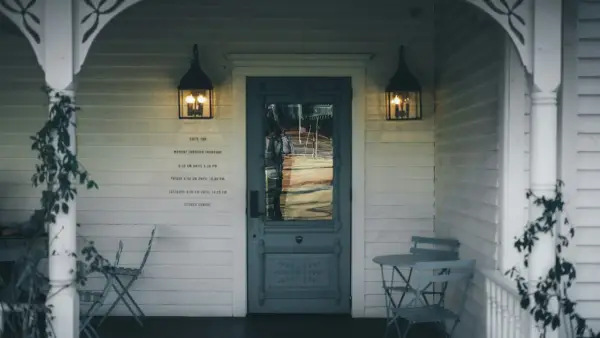
Children who could always tell what kind of evening it was going to be before they stepped through the front door - who knew by the porch light, by the sound of the television through the walls, by the particular quality of silence leaking under the door - often become adults who can read any room they walk into within three seconds, not because they are intuitive but because a child who needed the house itself to warn her what was coming never stopped listening to what buildings have to say about the people inside them
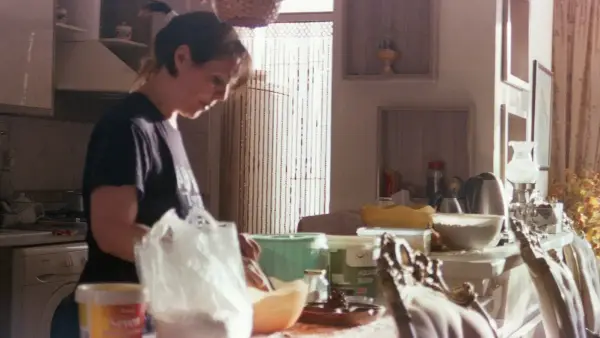
Children who always offered to help clean up at other people's houses - who stood at someone else's kitchen sink after a birthday party drying plates before anyone asked, who made someone else's bed after a sleepover before the host's parents were awake - often become adults who cannot enter a home without scanning for something to carry, something to wash, something to fix, not because they are generous but because a child who learned that being useful was the entrance fee for other people's warmth never received the message that some doors were open before she started scrubbing
Children who were praised for never causing trouble - who learned to skip meals without mentioning it, hide report cards that needed signatures, and bandage their own cuts so no one had to stop what they were doing - often become adults who will drive themselves to the emergency room alone, because asking someone to come with them still feels like more than they're allowed to need
Children who were always told 'you will understand when you are older' about the divorce, the move, the reason Mom stopped smiling in photographs after a certain year, often become adults who finally are older and understand perfectly and wish with everything they have that they didn't, because the truth turns out to be simpler and sadder than the mystery they built to survive not knowing
Children who were only praised for what they did and never for who they were - who heard 'good girl' after the report card but never on a Tuesday afternoon for no reason at all - often become adults who cannot rest after an achievement because they learned before they had language for it that love was a reward for performance and the moment they stopped performing the warmth disappeared
Children who always knew exactly what was in the refrigerator - who could tell you without looking how many eggs were left, which leftovers needed eating by Tuesday, and whether the milk would last until Thursday - often become adults who cannot stop taking inventory of things that are not theirs to manage, not because they are controlling but because a child who became the household's memory before she finished elementary school never learned where her responsibility ended and everyone else's began

Children who learned to laugh quietly because someone in the house was always sleeping or always angry often become women who still cover their mouths at fifty, because the girl inside them was taught that the loudest thing in the room was always the thing that was wrong
Children who grew up in a house that was sold before they were ready to leave it - who can still describe every room, the color of the kitchen tiles, the sound the screen door made, the creak on the third stair - often become adults who carry a floor plan in their nervous system of a place they can never return to, not because they are sentimental but because a child who lost their first home before they were finished becoming themselves inside it never stopped looking for the room where they last felt like they belonged
Children who had a strict bedtime and lay in the dark listening to the rest of the family still laughing downstairs - the television still on, the conversation still going, the life of the house carrying on as though they had never been in it - often become adults who cannot bring themselves to be the first to leave any gathering, not because they love the party but because a girl who spent years hearing belonging happen through a ceiling never learned to trust that she would still matter to a room after she left it
Children who grew up being the one who always answered the phone learned at seven to gauge a caller's mood by the first three words, to translate their mother's 'tell them I am not home' into something that sounded true, and to deliver difficult news in a voice steady enough that nobody got angry - and the adult who still manages every room like an unpaid receptionist is not controlling but a child whose voice was the first line of defense for a household that never hired anyone else for the job
Childhood Patterns
Children who grew up setting their own alarm clocks, packing their own lunches, and walking themselves to school before anyone else in the house was awake often become adults who cannot ask for help with even the smallest task, because a child who learned at seven that the morning belonged to them alone never received the message that self-sufficiency was supposed to have a limit
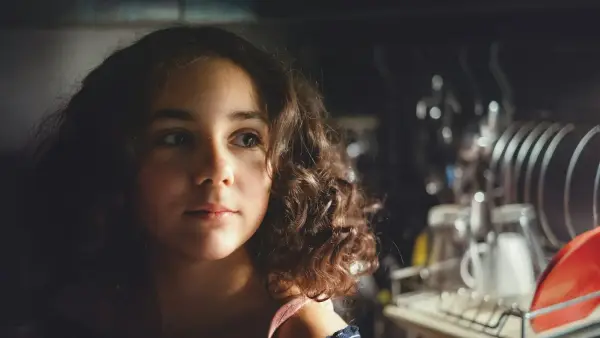
Children who grew up hearing every compliment immediately followed by 'but' - that's a great report card, but why not an A in math - often become adults who cannot hear praise without their body bracing for the correction that is still coming, because a child who learned that every good thing had a second half never stopped waiting for it
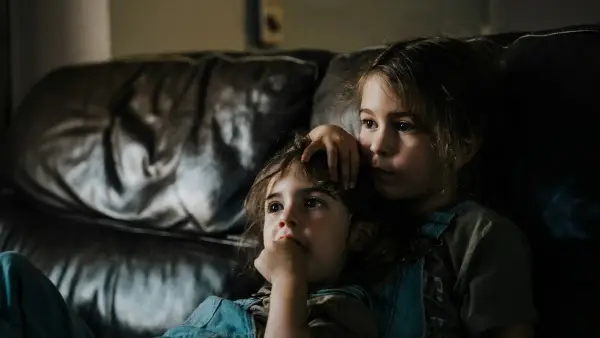
Children who were always compared to a sibling - the one who got better grades, the one who was easier, the one who never caused trouble - often become adults who cannot celebrate a single accomplishment without immediately measuring it against someone else's, because a child who was taught their worth was relative never learned it could be absolute
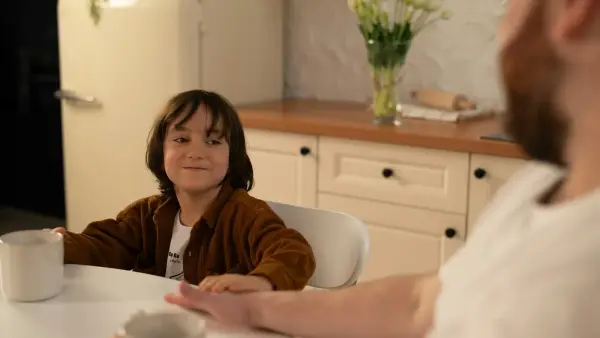
7 things that quietly happen to children whose parent always said 'let me do it' whenever they tried something new - because a child who watched their effort be gently replaced learned that trying was just the opening act before someone more capable took over, according to psychology
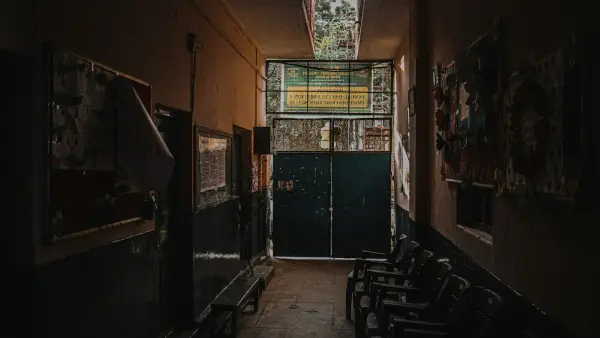
8 things that quietly happen to children who were always the last one picked up from school - the one sitting on the bench by the front office watching every other parent's car pull into the circle - because a child who learned to wait without complaining became an adult who treats their own time as the least important thing in any room, according to psychology
Children who watched a parent quietly redo everything they tried to help with - re-folding the towels, re-washing the dishes, re-setting the table - often become adults who either stop offering to help altogether or refuse to let anyone else do anything, because good enough was never enough
Children who were always told 'you're so mature for your age' by every teacher and neighbor and family friend often become adults who feel strangely fraudulent in their forties, not because they aren't competent but because the maturity everyone admired was never a trait - it was a performance a seven-year-old invented to survive a household that didn't have room for a child, and the exhaustion they carry now is decades of pretending they didn't need the childhood they were praised for skipping

Children who grew up in homes where asking questions was treated as talking back often become adults who will spend an hour searching the internet for an answer rather than ask the person sitting right next to them, because a child who learned that curiosity was defiance never unlearned the belief that asking is an imposition
8 things that quietly happen to adults who grew up in homes where 'I love you' was only said during emergencies or goodbyes, never on an ordinary Tuesday - because a child who only heard love spoken when something was ending learned that affection was a signal of danger rather than safety, and by forty-five they flinch at casual tenderness not because they don't want it but because their body still reads it as the opening line of a loss, according to psychology
Children who grew up as the youngest in a family where everyone else already seemed to know the rules - how to set the table correctly, how to read a parent's mood, how to know when the house needed quiet - often become adults who watch other people for cues before they speak, order, or decide, because the youngest child learned before they had words for it that they were always arriving late to a world the others had already figured out
8 things that quietly happen to people who grew up in homes where love had to be earned through grades, trophies, and perfect behavior - because a child who was only celebrated for performing never learned they were worth celebrating for simply being in the room, and the exhaustion they carry at forty-five is three decades of auditioning for a role they were given at birth, according to psychology
Children who grew up with a parent who read their diary, searched their room, or listened outside their door often become adults who delete texts, password-protect everything, and feel a jolt of panic when someone picks up their phone - not because they are hiding anything but because a child who was never given the right to a private thought learned that the safest self was the one nobody could access without permission
8 things that quietly happen to adults who grew up being compared to a sibling - 'why can't you be more like your sister' - because a child who learned they were the lesser version of someone standing in the same room grew up treating every relationship as a ranking they have not stopped climbing, according to psychology

Children who grew up with a parent who answered every question with 'because I said so' often become adults who over-explain everything - three reasons before asking for a day off, a paragraph of justification before stating a preference - because a child whose need to understand was treated as defiance learned that a bare request, without sufficient evidence, would always be denied
Children who grew up with a parent who used silence as punishment - not yelling, not hitting, just the complete withdrawal of all warmth, sometimes for days - often become adults who treat every pause in a text conversation as evidence that someone they love is about to disappear, because a child who learned that love could be switched off without warning never stopped watching for the moment the lights go out
Children who were told 'stop crying or I'll give you something to cry about' often become adults who feel a sharp, involuntary shame the moment tears begin to form in front of another person, not because they learned that crying was weakness but because they learned that visible pain was a provocation, and their body still tightens in the exact spot where a seven-year-old swallowed everything they were not permitted to feel
Children who were always told 'you're so mature for your age' often reach forty and realize that the maturity everyone praised was never a gift - it was a child performing an adulthood they were handed before they had finished being children, and somewhere beneath the competence everyone still relies on is a kid who never received permission to not know what to do

Children who grew up hearing 'we'll see' instead of a clear yes or no often become the adults who cannot fully relax into any plan, any promise, or any piece of good news until it has already happened, because their nervous system learned before the age of ten that hope was the specific thing most likely to be quietly retracted without explanation
8 things that quietly happen to people who grew up with a parent who would go silent for days - not yelling, not slamming doors, just withdrawing into a wall of nothing - because a child who was punished with absence learned that love could be taken away without warning and returned without explanation, according to psychology
Children who grew up sharing a bedroom with a sibling who needed more - more attention, more doctor's appointments, more of the parent's energy for reasons the family never fully named - often become adults who take up as little space as possible in any room they enter, who never ask for seconds, who sleep on the edge of every bed, because a child who watched the household orbit someone else's needs made a quiet calculation that the most loving thing they could do was disappear

Children who became the messenger between two parents who could not speak to each other without a fight starting often become adults who can defuse any conflict in a room except the one that lives inside themselves, because a child who spent years carrying words between two people who refused to cross the distance learned everything about peace except how to feel it
Children who grew up in homes where love arrived with good grades and disappeared with bad ones often become adults who cannot sit inside a single accomplishment without immediately calculating the next one, because a child who learned that standing still meant the warmth would leave has never once stopped running
Children who had a parent who said 'I love you' every night at bedtime but never once in front of another person often become adults who cannot fully trust affection that happens where other people can see it - because a child who learned that the truest version of love was the one that only existed behind a closed door at the end of the day grows into someone who treats every public display of tenderness as a performance and every private one as the only kind that counts
Children who were the ones sent to check on a parent who had locked themselves in the bedroom - who knocked softly at seven years old and whispered 'are you okay' through the door when no child should have had to be the one asking - often become adults who cannot relax in any room until they have quietly verified that every person in it is fine
Children who were always told they were mature for their age often become adults who have no idea how to play - who sit at birthday parties feeling like observers, who plan vacations that look like itineraries, who haven't done something purely for the joy of it in so long they've forgotten what joy without purpose even feels like
Children who were told 'you're so mature for your age' by every adult who met them often become adults who cannot ask for help, who manage every crisis alone, and who fall apart the moment someone asks 'what do YOU need' - because they learned before they had language for it that their value lived in never being a burden
7 things that quietly happen to adults who grew up in homes that looked perfectly fine from the outside - the lawn was always mowed, the Christmas card was always smiling, the neighbors thought you had the ideal family - but inside nobody was actually talking to each other, and the emptiness you carry at forty is the echo of a house that performed togetherness without ever practicing it, according to psychology
Children who grew up in homes where the television was always on - not because anyone was watching but because the silence would have been unbearable - often become adults who cannot fall asleep in a quiet room, who leave the news running while they cook, who play podcasts in the shower, not because they love content but because their nervous system learned that silence meant someone was about to speak and whatever came next was going to change everything

8 things that quietly happen to people who were raised by a parent who showed love through criticism - who said 'I'm only telling you this because I care' before every sentence that left a mark - and the voice in their head at forty-five is still grading every room they walk into, according to psychology
Children who were always told they were 'so mature for their age' often become adults who have never once experienced the feeling of being taken care of, because the compliment everyone meant as praise was actually the moment their childhood quietly ended and nobody in the room noticed

7 signs you were the 'easy child' who never caused problems, not because you were naturally low-maintenance but because you read the room early and understood that the family's emotional bandwidth was already spoken for, so you made yourself small and called it a personality, according to psychology
Children who grew up explaining 'Dad's just tired' when he was angry and 'Mom didn't mean it like that' when she was cruel often become adults who automatically rewrite what people say to make it sound kinder, and they don't realize until their forties that they have been editing reality since they were seven

Children who grew up being the one their family sent to talk to the landlord, call the insurance company, and explain things to the doctor because no one else would or could often become adults who can walk into any room and handle anything but have never once been able to say the words I need help, because the child who carried everyone else's voice was never told they were allowed to use their own

Children who watched their mother sit in the parked car for a few extra minutes before coming inside - who saw her tilt the rearview mirror, press her fingers under her eyes, take one last breath before opening the door with a smile that was already in place - often become adults who can detect the seam in every smile they encounter, the exact point where the real feeling ends and the performance begins, because they learned before they had language for it that the truest version of a person was the one the room was never meant to see
7 things that quietly happen to people who still eat as though someone is about to take the plate, because a child who learned that the dinner table was a race and eating slowly meant eating less grew up with a body that never received the message that the competition ended decades ago, according to psychology
Children who were told 'I'll give you something to cry about' whenever they cried about something real often become adults who cannot ask for help until they are near collapse, because a child whose pain was always ranked against a worse pain that hadn't arrived yet learned that their suffering was never the kind that counted
Children who ate lunch alone at school did not grow up to fear solitude - they grew up to become the adults who walk into every room and immediately find the person standing by themselves, because a child who learned what the empty chair feels like never becomes the adult who lets someone else sit in it without company
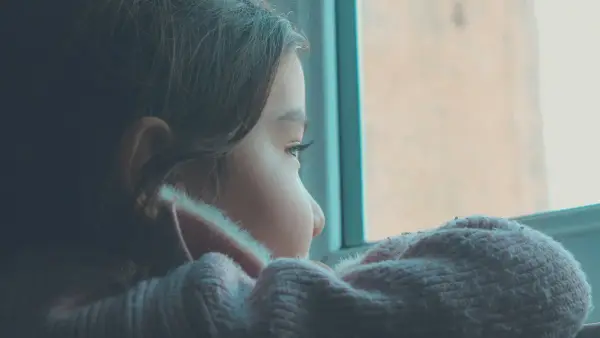
7 things that quietly happen to children who grew up hearing 'we'll see' from a parent whose 'we'll see' always meant no, because a child who learned that anticipation was just the first stage of disappointment grew up unable to feel excited about anything without immediately bracing for the cancellation, according to psychology

8 things that quietly happen to adults who were never allowed to close their bedroom door as children, because a child who learned that privacy was treated as a form of hiding grew up treating every boundary like something that needed to be defended rather than something that was simply theirs, according to psychology
8 things that quietly happen to children who were always told to stop crying before anyone asked why they started, because a child who learns their tears are a problem to be solved rather than a signal to be heard does not stop feeling, they stop showing, and the composure everyone admires at forty is thirty-five years of a body that learned to grieve without making a sound, according to psychology

Children who learned to do the dinner dishes the moment an argument started in the kitchen often become adults who cannot sit still when someone in the room is upset, because productivity was the first language they ever spoke for diffusing a fight and no one ever taught them that presence was sometimes the more useful thing to offer
Children who grew up in homes where praise was rare and criticism was unspoken often become adults who can walk out of a review that went perfectly and still spend three days searching the room for the sentence that must have been withheld, because a nervous system that learned love was something you had to extract never learned to trust what was freely offered
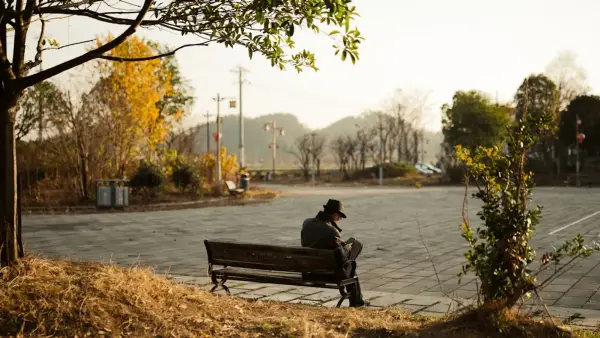
Boys who were moved between towns or schools or parents' houses every few years often become men who can walk into any room and make a friend within ten minutes but cannot keep one past the first season, because their childhood taught them that every connection has an expiration date and the safest thing to do with a goodbye is to rehearse it long before anyone has a chance to leave first
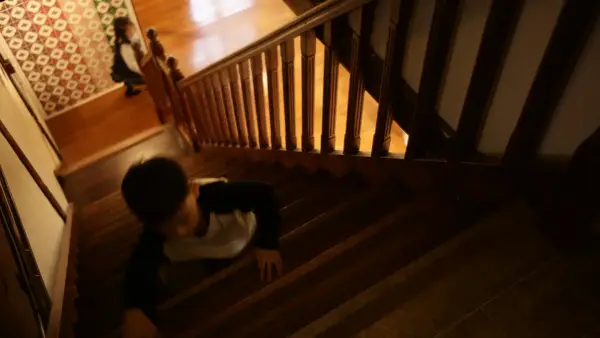
Boys who grew up in homes where nobody ever raised their voice but nothing was ever actually said out loud often become the men who are the easiest to be around and the hardest to truly know, and most of them do not discover until their forties that the peace they protected as children was never peace at all - it was a silence somebody had to hold together, and they were the one who had been quietly assigned the job
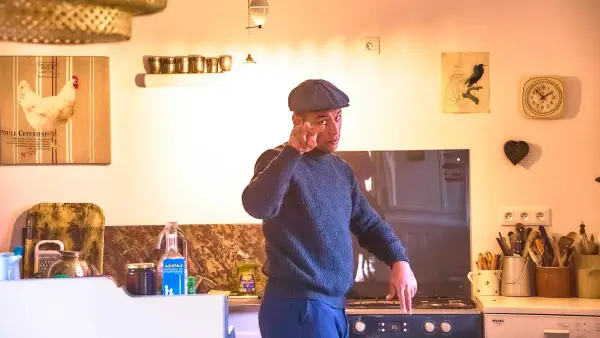
Children who grew up answering the family landline for their parents - taking messages from creditors, fielding the call that came at 2am, screening strangers from a young age before they had any words for what they were doing - often become adults whose bodies still flush with quiet dread every time their phone rings, because they learned before they understood it that the phone was almost never about something good
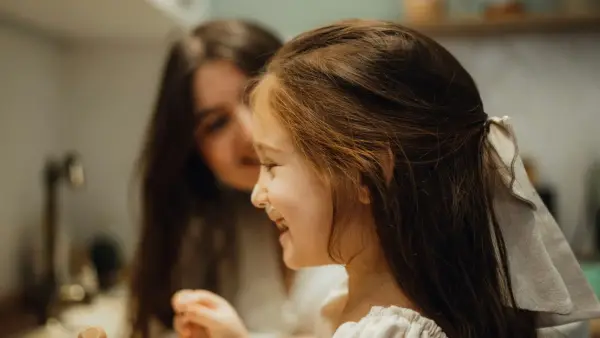
Children who became the parent to their younger siblings - cooking dinner, checking homework, walking them to school - before they understood this wasn't normal often become adults who can hold anything together except their own needs
Children who grew up carrying a family secret they were never supposed to mention often become the adults who can read every room they enter but never feel safe enough to stop watching
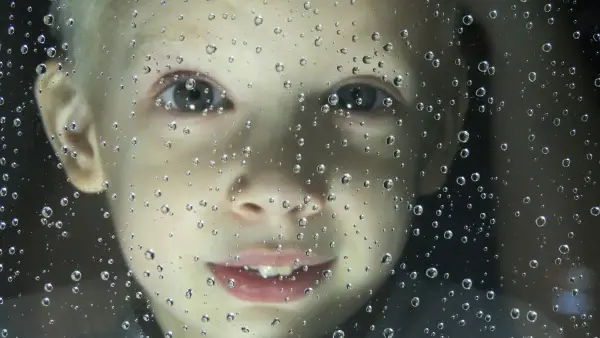
Children who grew up keeping a family secret they were never supposed to mention often become adults who can read every room they enter but have never once felt safe enough to stop scanning

Children who learned to be funny to stop their parents from fighting often become adults who can make an entire room laugh but can't let a single person see them cry
Children who were praised for being mature for their age were often just traumatized into competence, and most of them are now adults who still don't know the difference between being responsible and being unable to stop
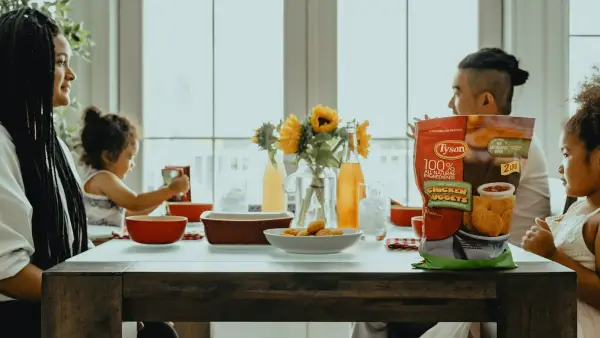
There is a kind of silence that entire families agree to without ever discussing it, where everyone at the dinner table knows something is wrong but the rules say you smile, pass the bread, and never name the thing sitting in the empty chair
Children who had one emotionally unavailable parent often develop these 8 traits as adults