Emotional Intelligence
The patterns behind how we feel, connect, and understand ourselves and others.

Children who always noticed when the teacher was having a bad day before anyone else in the class did - who could read the slight change in her tone, the tighter smile, the way she gripped the dry-erase marker a little harder than usual - often become adults who walk into every room already scanning for who is struggling, not because they are empathetic by nature but because a child who could feel the weather change in an adult's mood before it reached the rest of the class never learned how to enter a space without taking its emotional temperature first
Children who always carried extra pencils, tissues, and erasers in their backpack for classmates who forgot theirs - who became the unofficial supply closet of the third grade, the person everyone turned to when they needed something - often become adults who carry ibuprofen, phone chargers, and stain remover pens in their bag at all times, because a child who learned that being needed was the closest available form of being wanted never stopped packing for everyone else's emergencies

Psychology says the person who always makes something for the people she loves instead of saying the words out loud - who bakes the cake from scratch instead of buying one, who spends three weeks choosing the perfect gift instead of writing I miss you in a text, who has expressed every tender feeling through her hands rather than her mouth for as long as she can remember - is not emotionally guarded or avoidant but someone who learned as a child that the safest container for love was something she could build with her hands, because a girl whose spoken affection was once met with something she could not take back discovered that what you make for someone travels more safely than what you say

Psychology says the person everyone describes as 'the best listener I know' - who asks the follow-up question nobody else thinks to ask, who remembers what you said three months ago and brings it up at precisely the right moment, who can sit across from you at dinner for three hours and leave you feeling completely seen while revealing almost nothing about her own life - is not generous or naturally curious but someone who learned before the age of ten that the safest way to exist in a room full of people was to make the room about everyone else, because a girl whose visibility once cost her something she could not afford to lose again discovered that listening was the most elegant form of hiding ever invented
9 things people who always say 'no worries' when someone cancels on them - who respond with understanding even when they rearranged their entire day, who send a cheerful text from the parking lot of the restaurant they drove twenty minutes to reach alone - do without realizing it, according to psychology

Children who memorized everyone's food allergies, drink orders, and comfort preferences - who knew that Grandma took her tea with one sugar and no milk, that Dad's colleague couldn't eat shellfish, that Mom needed the aisle seat because she got claustrophobic - often become adults who carry an invisible database of every person's needs, and most of them have never realized that what looks like extraordinary thoughtfulness is actually a survival system built by a child who learned that being useful was the only reliable path to being loved
Children who always knew when the mood in the room shifted before anyone said a word - who could feel when a parent was about to cry, when a conversation was about to turn into an argument, when the energy in the kitchen went from warm to cold in the span of a single sentence - often become adults who can walk into any room and immediately know who is angry, who is about to leave, and who is pretending everything is fine, and most of them have never realized that what they call intuition is actually a surveillance system that was installed when they were too young to know the difference between reading a room and scanning it for threats

Children who always moved things back to where they belonged after someone else moved them - who straightened the remote control on the coffee table, returned the salt shaker to its exact spot, adjusted the angle of the picture frame every time someone brushed past it - often become adults who cannot leave a room without correcting what has been displaced, because a child who could not control the emotional weather of her household discovered that the position of objects was the one domain where her sense of order still meant something
8 things people who always know where everyone in the house is without being told - who can feel a partner's mood from the sound of their footsteps in the hallway, who register the front door opening the way other people register their own breathing, who track location by sound and silence and the weight of a closing drawer - do without realizing it, according to psychology, because a child who grew up in a house where someone's location predicted the household's emotional weather never stopped mapping every building by its heartbeats
Children who always explained one parent to the other - who said 'Dad is not mad, he is just worried' to their mother in the kitchen and 'Mom does not mean it like that' to their father in the garage - often become adults who spend every relationship translating between people who love each other but cannot hear each other without an interpreter, because a child who learned that her family only functioned when someone stood in the middle never stopped believing the bridge between two people was her body

Children who always remembered everyone's name - the teacher's aide, the bus driver, the librarian who only worked on Tuesdays, the crossing guard who waved even when it was raining - often become adults who use a cashier's name from her nametag, who remember their dentist's receptionist's name years later, not because they were taught extraordinary manners but because a child who grew up in a house full of people where nobody paused long enough to say her name with warmth learned that the most powerful thing you can offer another person is proof that they exist as a specific individual in your mind

8 things people who always notice when someone at the table has gone quiet - who track the person who stopped laughing, who feel the absence of a voice the way a musician hears a dropped note, who lean over and say 'you okay?' before anyone else has registered that someone withdrew - do without realizing it, according to psychology

Psychology says the person who always lowers their voice when delivering difficult news - who drops to nearly a whisper when telling someone they made a mistake, who speaks more quietly as the stakes get higher rather than louder - is not being passive or conflict-avoidant, they are someone who learned in childhood that the volume of a difficult truth determines whether it lands as information or as attack, and a child who grew up in a house where every correction arrived at full volume taught herself that the gentlest delivery was the only one worth giving, because a whisper asks the listener to lean in and leaning in is the opposite of bracing

8 things people who always hold the door open longer than necessary - who stand there watching someone fifty feet away break into an awkward jog because they can feel the pressure of your waiting - do without realizing it, according to psychology, because a child who learned that closing something while someone was still approaching meant the relationship might not survive the click of the latch never found a comfortable distance at which letting go felt safe
Psychology says the person who talks to themselves out loud while doing ordinary things - who narrates the grocery list in the cereal aisle, who says 'okay, now we need the...' while cooking alone in the kitchen, who announces their own next steps to an empty room as if someone invisible is following along - is not absent-minded or eccentric, they are someone who never had a reliable narrator in childhood and became their own

Psychology says the woman who always laughs right after saying something deeply honest - who follows every confession with 'I'm just kidding' or a quick deflection that pulls the weight out of what she just said - is not being insincere, she is someone who learned very young that the truth without an exit ramp made people uncomfortable, and the laugh became the only way to say something real without making anyone responsible for holding it
Psychology says the man who remembers every argument word for word - who can quote what you said on a Tuesday evening in March four years ago, the exact phrasing, the exact tone, the pause that lasted two seconds too long - is not keeping score, he is someone whose nervous system was trained by a childhood where the precise wording of an accusation could mean the difference between a raised voice and a slammed door, and his memory was never a weapon but a defense system that never received permission to stand down

Psychology says the person who always apologizes for crying - who says 'sorry' before the first tear falls, who waves their hand in front of their face and says 'I'm fine, I'm fine' while clearly not fine, who treats their own emotions like an inconvenience they are inflicting on the room - is not overly emotional, they are someone who learned very young that their feelings were a disruption the people around them were not equipped to hold, and the apology became the only way to keep feeling without losing the room's permission to stay
She's 63 and just realized she talks to her plants the same way her mother talked to the garden every morning before the house woke up - narrating each task, asking the rosemary what it needs, telling the basil it looks strong today - not because she believes they can hear her but because a girl who sat behind the kitchen curtain at dawn listening to the only honest conversation her mother ever had understood that a woman who could not say what she truly felt to anyone in the house had found the only audience that never judged, never interrupted, and never told her she was being too much
Psychology says the man who tears up during movies but hasn't cried in front of another person in twenty years isn't emotionally repressed - he's someone who learned as a boy that the only safe container for his feelings was a dark room where nobody could see his face, and the fiction became the only place where feeling was allowed because nobody could hold him accountable for what a story made him do

8 things people who were always told they were 'too sensitive' as children - who heard 'stop crying,' 'you're overreacting,' 'it's not that big a deal' at every turn - do as adults without realizing it, according to psychology, because sensitivity was never the problem they were told it was but a depth of feeling the people around them simply did not know how to hold
8 things people who are always 'the funny one' in every group - who make the whole table laugh, who turn every painful moment into a punchline, who have never once been the person someone worries about - do without realizing it, according to psychology, because a child who discovered that laughter was the only form of attention that never required vulnerability never learned how to ask for help in a voice that was not already joking

8 things people who remember every small detail someone mentioned liking - who file away that you prefer window seats, that your daughter's name is Grace, that you stopped drinking coffee last March, who produce these details months later as though they were never storing them at all - do according to psychology, because a child who learned to track the preferences, moods, and unspoken needs of everyone in the house as a survival strategy built an adult whose memory for other people's wants is extraordinary and whose memory for her own has quietly disappeared
Children who always waved from the window until the car disappeared - who pressed their face against the glass and held up one hand and did not move until the street was empty again - often become adults who cannot end a phone call without saying 'love you' twice, because a child who understood that every departure contained the possibility of being the last one built a farewell ritual she was never willing to abbreviate
The person everyone calls when they are falling apart scrolls through her contacts at three in the morning during her own crisis and realizes there is nobody she can call, not because nobody loves her but because she spent thirty years building herself into the kind of person people lean on and never the kind who leans
Children who always set the table without being asked - who knew the forks went on the left and the napkins went under them and the glasses had to be filled two-thirds because a full glass looked careless and an empty one looked like nobody cared - often become adults who prepare entire rooms for people who haven't arrived yet, because a child who learned that the safest version of love was the kind you could arrange on a surface before anyone walked in never developed the ability to be loved simply for showing up
Children who always knocked before entering any room in their own house - their parents' bedroom, the bathroom, even the kitchen when company was over - because they absorbed early that presence requires permission, that even a child who lives here is not entitled to simply walk in, often become adults who apologize for taking up space in conversations, who ask 'is this a good time?' before every phone call, and who carry the exhausting belief that their company is always an imposition until someone explicitly proves otherwise
There comes a day, usually somewhere around forty, when you walk into your parents' house and realize they cleaned up for you - that the magazines are stacked with unusual precision, the bathroom has fresh towels that were not there last week, the refrigerator holds things you mentioned liking three visits ago - and the quiet devastation of recognizing your parents' nervousness as a mirror of your own childhood need to be acceptable is the moment you understand that love, at its most honest, has always been two people terrified of disappointing each other

There are women who kept every text message their children ever sent them and if you scroll back far enough you can trace the exact season when the replies got shorter, when 'love you mom' became 'ok,' and the woman who keeps them is not sentimental - she is holding proof that the closeness was real before it became something her children had to schedule

Children who always sat in the back seat directly behind the driver and watched their mother's face in the rearview mirror - who studied the reflection because it was the only angle where her expression was not yet arranged for an audience, the only place her worry was visible before she turned around and smiled - often become adults who trust what they see from the corner of their eye more than what anyone tells them directly, because a child who learned to read the truth in a reflection learned that the most honest version of a person is the one they do not know you can see
Children who always noticed when a lightbulb was about to burn out - who saw the flicker before the dark, who kept a quiet inventory of every light source in the house the way other children tracked baseball cards - often become adults who can sense when a friendship is dimming, when a colleague is about to leave, when the warmth in a room has shifted, because a child who learned that darkness arrives one bulb at a time and nobody warns you when the last one goes built a monitoring system that tracks the brightness of everything she loves

Children who pretended to be asleep when the fighting started - who lay perfectly still under the covers with their eyes closed and their breathing carefully measured, who learned that the safest place in a war zone was the performance of unconsciousness - often become adults who shut down during conflict, not because they don't care but because a girl who survived by disappearing into stillness never learned that staying present during an argument wouldn't cost her everything
Emotional Intelligence
Children who were always the one sent to check on the parent who had gone quiet - who knocked on the bedroom door at nine years old and brought the glass of water nobody asked for - often become adults who cannot walk past a closed door without listening for distress on the other side, because a child appointed as the household's emotional paramedic never found the moment when the shift ended
Children who grew up in houses where the television was always on - not because anyone was watching but because silence meant someone was angry - often become adults who cannot sit in a quiet room without reaching for something to fill it, because a child who learned that noise meant safety never found the instruction manual for trusting an empty room
Children who always knew which parent to ask for what - who understood by seven that permission for a sleepover went through the mother, money questions waited for the father after dinner, and anything that had already been a no from one could sometimes become a yes from the other if you chose the right afternoon - often become adults who can read within minutes of meeting someone exactly what can be asked of them and what cannot, not because they are manipulative but because a child who learned that the answer was never about the question but about the audience built a map of every person that most people do not even know exists
Children who were told 'wait until your father gets home' - who spent entire afternoons measuring every remaining minute by a sentence their mother delivered without raising her voice, who watched the clock and listened for the car and rehearsed explanations that might soften what was coming - often become adults who experience the worst part of any conflict not during the confrontation itself but in the hours before it arrives, because a child who learned that consequences were always deferred, always gathering force in a room she could not see, built a nervous system that treats anticipation as the punishment and the actual event as something close to relief
Children who learned to gauge the entire evening's emotional forecast from the sound of a car pulling into the driveway - the speed of the engine, the duration of the pause before the door opened, whether the radio cut mid-song or played to completion - often become adults who can read an entire room from the sound of a single door closing, because a girl who decoded her father's mood from the acoustics of arrival never stopped translating the world into frequencies only she can hear
Children who always made themselves the joke before anyone else could - who announced their own mistakes in a bright loud voice, who gave themselves the nickname before the playground could assign one, who laughed harder than anyone when something went wrong for them - often become adults whose self-deprecation is so polished that nobody recognizes it as armor, because a child who learned that laughter aimed at herself was the only kind she could control never stopped beating the room to the punch

People who remember the exact weather on the day something important happened to them - not the date, not what anyone was wearing, but that it was raining, or that the heat was thick enough to feel through the parking lot - often have a nervous system that learned in childhood to encode environment before event, scene before sentence, because the conditions were the only part they could track
Psychology says people who always notice when someone at the table has been talked over and quietly bring the conversation back to them - who say 'wait, you were saying something' or 'I want to hear the rest of that' without ever drawing attention to what they are actually doing - are not naturally thoughtful and are not simply kind, they are people who spent their childhood being interrupted, dismissed, or talked over so many times that they became the person who makes sure it never happens to someone else, and the woman at forty-nine who redirects a dinner conversation back to the quietest person at the table is not a good listener but a girl still correcting a room that never once corrected itself for her
Children who always translated between their parents - who carried 'tell your father' and 'tell your mother' between two adults who could hear each other perfectly - often become adults who cannot watch a disagreement without stepping in, because a child who was made into a bridge between two people learned that if she stopped carrying messages the silence would become something worse
There are women who can name every teacher who was kind to them - the substitute in fourth grade who let them sit by the window when they were sad, the art teacher who said 'there is no wrong way to do this,' the librarian who never once asked why a girl was spending every lunch period alone in the stacks instead of in the cafeteria - not because they have exceptional memory but because a girl who grew up in a house where gentleness arrived on a schedule someone else controlled learned to catalogue every adult who offered warmth without conditions, and the woman at fifty-five who still writes a holiday card to a retired teacher she has not seen in thirty years is not sentimental but maintaining the only proof she has that someone once noticed she was struggling and responded not with correction but with the simple act of making room
Psychology says people who always say 'I should let you go' instead of 'I need to go' at the end of every phone call - who frame every departure as consideration for the other person rather than a choice of their own, who cannot leave a party without constructing a reason that makes their exit about someone else's schedule - are not being polite, they are people who learned before they were ten that their own needs were only acceptable when disguised as someone else's benefit, and the woman at fifty-two who has never once ended a conversation by simply saying 'I want to stop now' is still the girl whose body understood that wanting to leave was only safe when it looked like a gift you were giving the room
Emotional Intelligence
Children who always answered the door before anyone else could reach it were not being helpful - they were gatekeeping, and the woman at forty-eight who still intercepts every email, every phone call, every disruption before it reaches anyone else is running the same program she installed at seven
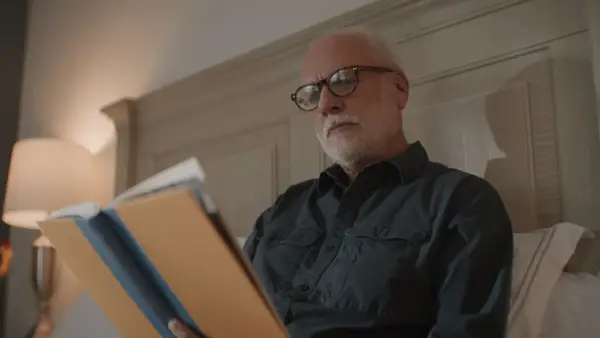
He's 57 and has just realized he has never once allowed himself to be photographed without smiling - not in forty years of family portraits, holiday gatherings, and posed moments with his children - because a boy who watched his mother study photographs afterward and announce who looked miserable learned before ten that his face in a picture was not a moment captured but evidence submitted, and the smile at fifty-seven is not joy but homework he has been handing in for four decades to a teacher who left the room long ago
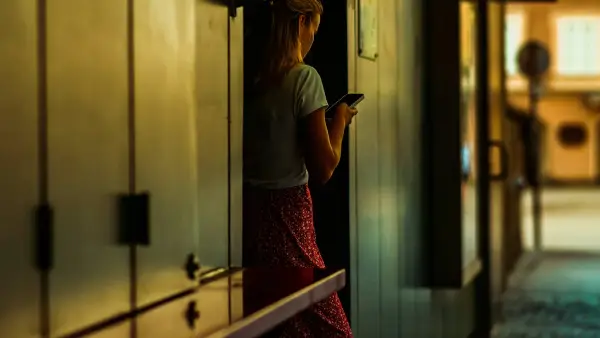
Children who developed a completely different personality for each parent - who could tell by the car in the driveway what kind of evening it would be before the front door even opened - often become adults who can read any room in three seconds but have never once walked into one as themselves

Psychology says people who always clean before the cleaner arrives - who scrub the kitchen before a guest comes, who tidy every visible surface before the repairman knocks, who cannot let another human being see the real state of anything they are responsible for - are not embarrassed or controlling, they are children who learned that the state of the house was a direct measurement of their mother's worth, and the cleaning before the cleaning at fifty-one is not perfectionism but a girl still protecting a reputation that stopped needing protection thirty years ago

Psychology says people who always text 'I got home safe' without being asked - who announce their arrival to people who did not request an update and close the loop on every departure with a message nobody required - are not clingy or overbearing, they are people who grew up in a house where someone's absence was never explained and the gap between 'they left' and 'they came back' contained every terrible thing a child's imagination could build, and the text at forty-five is not neediness but the gift of certainty a girl never received now offered freely to every person she loves
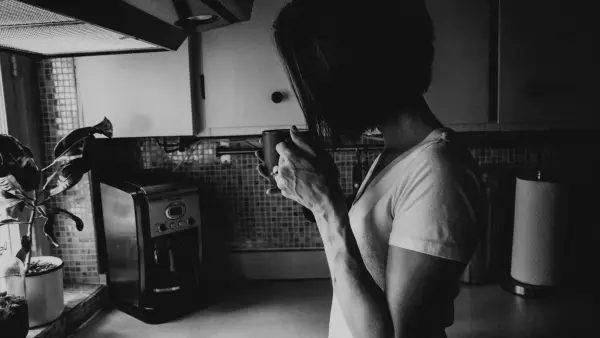
Psychology says people who remember everyone's drink order, birthday, and preference but cannot recall the last time someone asked about theirs are not thoughtful or gifted with details - they are running a monitoring system a child built in a house where knowing everyone else's emotional state was the only way to predict whether the night would be safe

Psychology says people who always place their phone face-down on every surface - the restaurant table, the kitchen counter, their own nightstand when nobody else is home - are not hiding anything and are not protecting secrets, they are people whose childhood taught them that information arriving through a screen was never neutral, that a ringing phone at dinnertime changed the temperature of the entire house, and the face-down phone at forty-eight is not privacy but a child's hand still trying to control which news enters the room and when
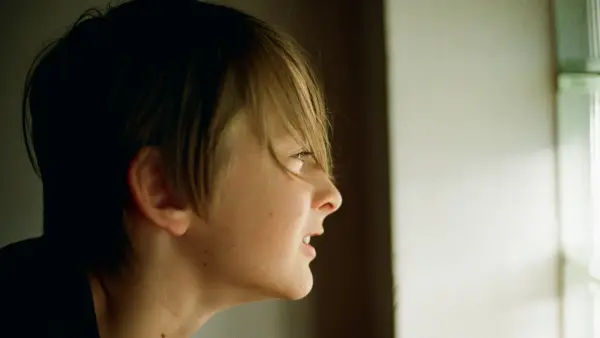
Psychology says people who always notice when someone in the room has gone quiet aren't oversensitive or exhaustingly hyperaware - they're running the most advanced social monitoring system a child can build, assembled in a house where the emotional weather changed without warning and the only person mapping the forecast was the smallest person in the room

He is fifty-eight and has just understood that the sound his body makes every time he sits down - that involuntary exhale, half groan and half something he never gave permission to escape - is not his joints wearing out or his back finally surrendering, it is the first honest noise a man makes who spent forty years believing that effort was supposed to be silent, and the sound of a fifty-eight-year-old lowering himself into a chair at the end of a long day is not complaint but a body that has finally stopped pretending that carrying things has no weight

Psychology says people who cry when they are angry - whose eyes fill the moment frustration crosses a certain threshold, whose voice breaks when they are trying to make a point, who experience the particular humiliation of weeping when what they wanted was to be fierce - are not weak or overly emotional, they are experiencing a nervous system that was taught only one exit was safe, and the tears are not sadness but fury arriving through the only channel the body was ever given permission to keep open
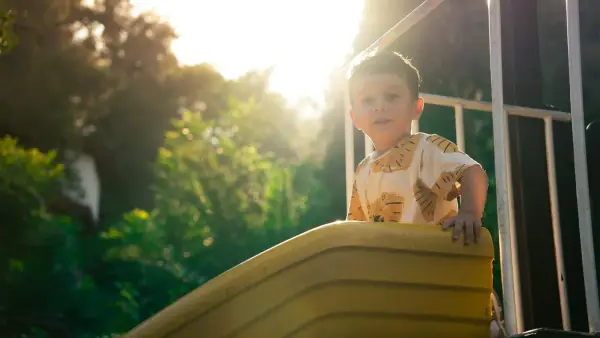
8 things children who heard their mother use a completely different voice with other people's children - softer, warmer, full of a patience that sounded nothing like the tone they received at home - carry into every adult relationship, according to psychology, and every single one began with a girl who learned before she could name it that the gentlest version of her mother was a gift reserved for people who were not her own

There are people who remember every kind thing a stranger ever did for them - the man who paid for their coffee fifteen years ago, the woman on the train who handed them a tissue without a word, the teacher who wrote 'I see you' on the back of a test in fourth grade - not because they are sentimental but because a child whose warmth was carefully rationed learned that kindness from someone who wanted nothing in return was so extraordinary it had to be memorized, and the woman at fifty-six who still remembers a stranger's umbrella on a rainy Tuesday is not holding onto a small moment but onto the first proof she ever received that care could arrive without a cost
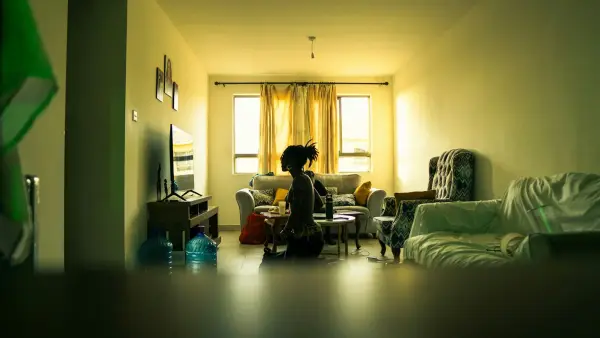
Children who were always told they were mature for their age - who were praised for needing nothing, asking for nothing, handling everything with a composure no child should have been expected to carry - often become adults who cannot ask for help without feeling like they are dismantling the only version of themselves anyone ever valued, because a girl who was rewarded for not needing anything learned before she was ten that the price of being admired was the permanent forfeiture of being cared for

There is a kind of tiredness that has nothing to do with sleep - the tiredness of being the person everyone calls when something falls apart, whose voice stays steady while her own hands shake, who says tell me everything before she has said a single word about her own day, and nobody tells her that the exhaustion is not from the weight but from the loneliness of never being asked to put it down
Psychology says people who always need to hear 'I got home safe' before they can fall asleep are not anxious or controlling - they are people who grew up in houses where love was never spoken directly but always performed through logistics, and 'text me when you get there' at fifty-three is not worry but the last surviving dialect of a household where 'be careful' meant 'I love you' and nobody ever translated it out loud
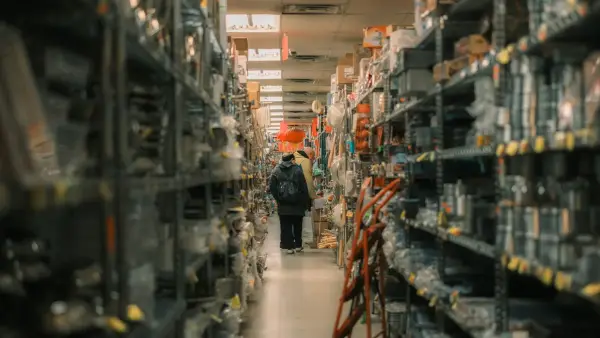
Psychology says men who walk through hardware stores with no list and no project - who spend forty-five minutes holding things they do not need, reading the back of packages for tools they will never use, who can tell you the price of a drill bit they have no intention of buying - are not wasting time, they are men whose only permission to wander without purpose was a building full of things someone might need someday, and the hardware store at fifty-eight is not shopping but the only museum a man who was taught that aimlessness was laziness is allowed to visit without justifying why he is there

She is 63 and has finally noticed that every time one of her grandchildren falls and cries, her body is already moving before she has decided to move - not walking but lunging, not responding but intercepting - and she has begun to understand that the speed with which she crosses a room to reach a crying child has nothing to do with how much she loves them and everything to do with a girl who fell once in a kitchen and lay on the floor for what felt like a very long time before anyone came, and the woman on her knees at sixty-three is not protecting a grandchild but answering a call that went unanswered fifty-six years ago

Children who always knew exactly how wide their parents' bedroom door was left open at night - who could read the emotional weather of the entire household from the width of that crack of light in the hallway - often become adults who read the distance between what people say and what they mean with an accuracy that everyone calls intuition but is actually a measurement system a seven-year-old built in the dark

Children who always knew what the sky was doing - who could tell you by the smell of the air at three o'clock whether rain was coming by five, who watched clouds the way other children watched television, who understood that the weather had moods and that those moods unlike the ones inside the house always followed rules - often become adults who feel a nameless ache in their chest on the first evening the light changes in September, not because they are sad about summer ending but because a child who grew up treating the sky as the most reliable narrator in her life learned to read seasons the way some people read faces, and the ache at fifty-four is not nostalgia but the homesickness of a body that remembers the most honest conversation it ever had was with something that always told the truth about what was coming

She is 57 and has finally understood why she always knows exactly how many drinks everyone at the table has had - not because she is counting, not because she is judging, but because a girl who grew up in a house where the third glass of wine changed the entire evening's weather learned before she was ten that the only way to predict what was coming was to watch what was being poured, and the arithmetic at fifty-seven is not suspicion but the last surviving reflex of a child who learned that safety was a number

There are men who have driven to the same lake every Saturday morning for twenty years with the same person and have never once discussed anything more personal than the weather or the fish, and yet if you asked either of them to name the one person they trust most in this world they would say each other without hesitation because the love was never in the words - it was in the twenty years of showing up

There is a kind of love that looks like doing nothing - just sitting next to someone who is falling apart without reaching for advice or solutions or the five things you read last week about how to help - and the people who find this hardest are almost always the ones who were praised as children for being useful, because they learned before they had language for it that love without action was love without proof
Children who became the family translator - who explained their father's silence to their mother, who decoded their mother's moods for younger siblings, who sat between two people and made their emotional languages intelligible to each other - often become adults who can read any room in seconds but have never once experienced the luxury of being the one someone else took the time to decode
Emotional Intelligence
Children who kept a stuffed animal long past the age anyone thought they should - who carried it to every new house, who hid it under the bed when friends came over, who could not explain why throwing it away felt like abandoning a person - often become adults who still have it somewhere in the house at fifty-four, not because they are sentimental or immature but because that bear was the first thing in their lives that was always the same, that never changed its mood or disappeared or loved them differently depending on the day, and a child whose world was unreliable needed at least one thing that stayed

Psychology says people who never leave a mess in someone else's kitchen - who wash their cup the moment they finish, who wipe the counter before anyone notices a single crumb, who leave every room cleaner than they found it - are not naturally tidy, they are adults who grew up in homes where leaving evidence of your presence was the fastest way to become someone else's problem, and the clean counter at fifty is not courtesy but a child who still believes the safest version of herself is the one who leaves no trace
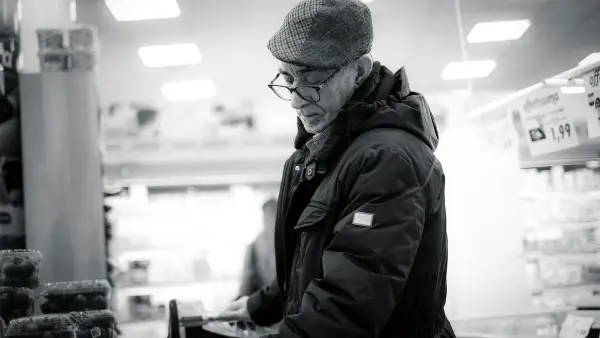
There is a reason a song you have not heard in thirty years can find you in a grocery store and fill your eyes before you have finished the first chorus - not because you miss being young but because your brain stored that melody alongside the exact quality of afternoon light through a bedroom window you will never open again, the smell of someone's jacket you used to reach for, and the particular ache of wanting something you could not yet name at sixteen, and music is the only language fluent enough to carry you back without asking whether you are ready to go
Psychology says people who talk to themselves out loud when they are alone - who narrate their search for the car keys, who say 'right' before starting any task, who mutter 'come on' to themselves while trying to remember what they walked into a room for - are not losing their minds or getting old, they are adults who became their own patient audience because the house they grew up in never had one, and the voice at fifty-four is not confusion but the sound of someone who learned that the gentlest company they would ever keep was their own

8 things that quietly happen to people who always know exactly how much gas is in the tank, who cannot let the needle drop below half and fill up two days before they need to, because they were children who learned that empty was the most dangerous thing anything could be
8 things that quietly happen to people who cannot fall asleep until the kitchen is clean - who stand at the sink at eleven o'clock scrubbing a pan that could wait until morning - not because they are neat but because a child who grew up where disorder preceded chaos learned that the only safe way to close a day was to make every surface prove nothing was coming undone, according to psychology
Psychology says people who always know exactly where everyone in the house is at any given moment - who can identify a family member by their footsteps, who register a door opening three rooms away before anyone else notices - are not anxious or controlling, they are adults whose childhood taught them that the safest thing a small person could do was know where the unpredictable person was before anything had a chance to change
There is a grief nobody gives a name to - the grief of outgrowing the place that raised you, of driving down streets you memorized at sixteen and realizing the town remembers nothing about the boy who used to ride his bike past the hardware store every summer, and the hardest part is not that you left but that you cannot explain to the people who stayed why leaving felt like the only way to keep the person you were becoming alive
He's 55 and has quietly noticed that his voice drops to a specific register every time someone in his family starts to cry - a calm, steady, half-octave-lower version of himself that he first produced at fourteen when his mother broke down at the kitchen table and he discovered that the sound of a controlled male voice was the only thing in the room that could bring the temperature down, and thirty years later he is still performing composure in a key he never chose
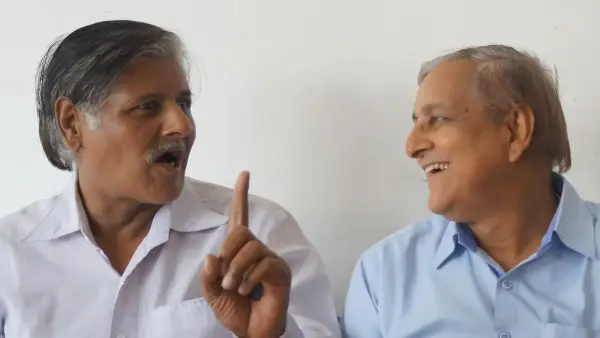
There are men who have never once said the words 'I'm proud of you' to another man's face - not because they don't feel it but because somewhere between boyhood and the first real job the part of them that could say something earnest to another man without wrapping it in a joke or a backslap was quietly sealed shut, and the handshake that lasts one beat too long at a retirement dinner is forty years of unspoken admiration compressed into three seconds of grip

8 things that quietly happen to people who cannot throw away a handwritten note or card, because a child who grew up in a home where affection was rarely spoken learned to collect physical proof that someone had once cared enough to write their name, and the shoebox at the back of the closet at fifty-five is not sentimentality but a nervous system that still needs evidence it was loved, according to psychology

Children who were always the one to knock on the bedroom door after a family argument - carrying a glass of water or cracking a small joke to test whether the storm had passed - often become adults who cannot tolerate unresolved tension for even a single hour, because their childhood taught them that the space between a fight and its repair was the most dangerous window in the house, and the urgency they carry at forty-five is a child still racing to close a gap before it becomes permanent
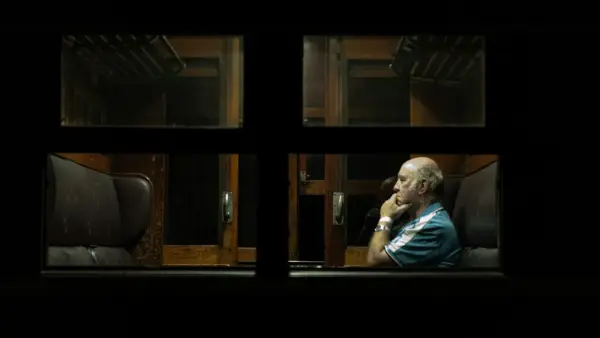
He's 55 and has quietly realized that the reason he tears up every time his adult son calls just to talk - not to ask for money, not to report a problem, just to say hey Dad how's your week - is that he spent forty years becoming the version of father his own father never was, and hearing that work arrive in his son's voice is both the proudest and most heartbreaking sound he has ever known
Psychology says people who find themselves crying more easily as they get older are not becoming more fragile or losing control - they are people whose emotional walls are finally thinning after decades of holding everything in place, and the tears that arrive without warning at fifty-eight are not weakness but fifty years of feelings that were never given permission to land

There are people who can tell you exactly what you were wearing the last time you cried in front of them - not because they were watching your clothes but because a nervous system that learned early to photograph every room where someone it loved was in pain stores the entire scene as evidence, and the blue sweater and the half-finished coffee are not details but the way a body remembers what it could not fix

Psychology says people who keep every card, letter, and voicemail from someone who has died are not stuck in grief - they are holding the only evidence that a voice which shaped their entire nervous system existed at all, and the box in the closet is not a refusal to move forward but a body's way of proving to itself that the love it remembers was real
Psychology says people who tear up during commercials, award speeches, and strangers' wedding videos are not overly emotional - they are people whose nervous system learned to store so much unexpressed feeling during childhood that any small crack in someone else's composure gives their own body permission to finally release what it has been carrying
She's 63 and has finally understood that the reason she buys birthday cards weeks in advance and stores them in a drawer organized by month is not thoughtfulness - it is a girl who watched her own birthday be forgotten twice and decided at nine that if she made sure every person she loved felt remembered, the universe might eventually return the favor

7 things that quietly happen to people who feel inexplicably exhausted after making even a small decision - not because the choice was difficult but because a child who was criticized for every preference they expressed learned that choosing was never safe, and the fatigue they carry at forty-five is thirty years of a mind that treats every decision as a verdict someone is about to overturn, according to psychology
Children who were never asked 'how was your day' when they came home from school - not because their parents didn't care but because the household was already full of its own emergencies - often become adults who ask everyone around them how they are doing but feel a strange blankness when someone finally turns the question back, because they never once practiced answering it and the silence where the answer should be is the exact shape of a childhood where nobody thought to ask
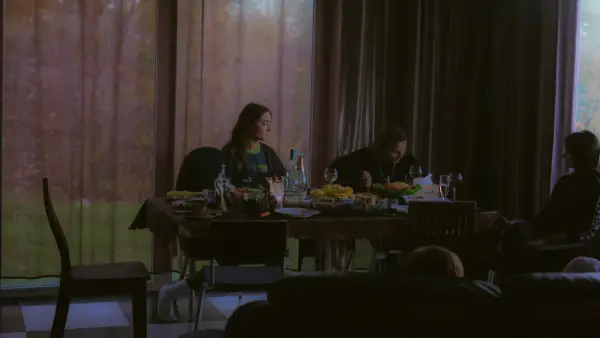
7 things that quietly happen to people who always notice when someone at the table stops talking - not because they are more empathetic than everyone else but because they grew up in a house where silence was never neutral and the person who went quiet was always the person about to change the entire evening, according to psychology
Children who grew up being asked 'why are you crying' in a tone that meant 'stop crying' rather than 'tell me what happened' often become adults who say 'I don't know' when asked what's wrong - not because they're withholding, but because the only question anyone ever asked about their feelings was designed to end the feeling, not understand it

She's 59 and has finally understood that the reason she cannot sit on a beach without a book or enjoy a vacation without planning every hour is not that she loves being busy - it is that a girl who grew up where unstructured time was when the worst things happened never learned that an afternoon with nothing on it could be safe
Psychology says men who can give their friends perfect advice about heartbreak, boundaries, and self-worth but cannot follow a single word of it themselves are not hypocrites - they were boys who learned that wisdom was only safe when aimed at someone else's life, because turning that same honesty inward meant admitting they were hurt, and the men they were taught to be did not get to be hurt

Psychology says men whose fathers only praised them through comparison - 'at least you didn't fail like your brother' - are not ungrateful when they flinch at a direct compliment, they are men who learned that approval was never a gift but a ranking they could lose, and by fifty the discomfort they feel when someone says 'I'm proud of you' is a nervous system still waiting for the other name in the sentence
There is a kind of love that expresses itself entirely through remembering - the appointment your sister mentioned once, the coffee brand your neighbor prefers, the name of your son's third grade teacher - and the women who carry this invisible catalogue of everyone else's details reach fifty and realize the most exhausting part was never the remembering but the slow understanding that nobody was keeping a file on them
Psychology says men who genuinely cannot think of a single thing they want when someone asks what they'd like for their birthday are not being modest or difficult - they are men who watched their fathers need nothing, want nothing, and ask for nothing, and absorbed before they could name it that the safest version of a man was the one who never asked, and the low-maintenance reputation everyone appreciates is actually a man who stopped practicing desire before he turned thirteen

There is a woman in every office who notices when someone has been crying in the bathroom, who leaves a cup of tea on their desk without a word, who remembers which coworker's parent is in the hospital and asks about them by name, and she has been doing this for years without anyone calling it work because nobody has ever written a job description for the person who quietly makes everyone else capable of staying
Children who learned to read their parent's mood the moment they walked through the door - from the weight of the footstep, the speed of the key in the lock, the specific silence that meant tonight would be different - often become adults who can sense a shift in someone's energy from across a room but cannot explain how they know, because their body learned to treat other people's emotions as weather that needed predicting in order to survive
Psychology says men who become suddenly talkative and open with strangers - the barber, the bartender, the person sitting next to them on a flight - but cannot say those same things to the people who love them are not being dishonest with their families, they are men who learned that vulnerability only felt safe when it had an expiration date, and the intimacy of a temporary connection was the only kind their nervous system learned to afford
Psychology says men who sit in their car in the driveway for ten minutes after getting home from work aren't avoiding their families - they are performing the only nervous system transition their body gets between two identities that both demand performance, and the car became the only room in their life that doesn't require them to be anything for anyone
Psychology says people who were called 'too sensitive' as children and spent the next thirty years proving they could handle anything are not resilient - they are the same tender person inside a fortress they built at seven, and what everyone calls toughness is actually a child's emergency response that never got a reason to stand down
Psychology says people who feel physically exhausted after making a simple decision like choosing a restaurant or picking a paint color are not overthinking - they were children who learned that the wrong choice could change the mood of the entire house, and their brain still treats every decision as if someone's emotional safety depends on getting it right
There is a woman in every family, every office, every circle of friends who remembers everyone's birthday, every preference, every allergy, every child's name - who sends the card, brings the right coffee, asks about the scan results nobody else remembered were happening - and she has quietly noticed, sometime around fifty-seven, that on her own birthday the phone is mostly silent, not because people don't care but because nobody ever had to learn the practice of remembering her, because she was always the one who remembered first
Children who were praised every time they didn't cry - who heard 'you're so brave' when they swallowed their tears and 'that's my tough girl' when they stitched their face into something steady - often become adults who feel nothing at funerals and weddings but sob alone at two in the morning watching a commercial about a dog finding its way home, because their body learned to delay grief until it found a container small enough that nobody would be inconvenienced by it
There is a kind of listening that leaves bruises - a way of being fully present with someone else's pain that costs the listener something nobody ever thinks to measure, and the people who listen like this were never taught it, they absorbed it in childhood the way a language is absorbed, by living in a house where someone else's feelings were always louder than their own

8 things that quietly happen to people who were never allowed to be angry as children - who were sent to their room the moment their voice rose, told 'we don't act like that in this family' when they were the only ones not yelling, and learned before they could name the feeling that anger was the one emotion this house had no room for, according to psychology
Children who were told 'you're fine' every time they cried - who heard 'it's not that bad' when their world was shifting and 'stop being so dramatic' when their feelings were the most honest thing in the room - often become adults who begin every vulnerable sentence with an apology, as if their own emotions still require someone else's signature before they are allowed to exist

Psychology says people who always check whether it's a good time before sharing their own good news are not being considerate - they are people who learned as children that their happiness made someone uncomfortable, and their nervous system still treats joy as something that requires permission from the room before it is safe to feel

Children who were always called 'the easy one' - the child who never cried at drop-off, never complained about dinner, never asked for anything twice - often become adults who genuinely cannot answer the question 'what do you want,' because wanting was the one thing their family never had room for

Children who became the translator between parents who could not speak to each other directly become adults who can decode any room in seconds, but they can never stop working - because what people call emotional intelligence is really just a shift that started at seven and nobody ever told them they could clock out
There is a person in every family who remembers every birthday, plans every gathering, and holds the entire social architecture together, and nobody has ever once thought to plan something for them - not out of cruelty but because competence became invisibility
8 things that quietly define the person in every family who remembers the birthdays, tracks the allergies, books the appointments, and holds the entire emotional architecture of everyone's life together - and who has never once been asked who is carrying all of this for you, according to psychology
People who learned to read their entire household by the sound of the front door closing - who could tell by the weight of a footstep on the stairs whether the evening would be safe or whether everyone needed to scatter and look busy - often become adults who can walk into any room and know exactly what just happened, but have never once turned that extraordinary radar inward to ask what they themselves are actually feeling

Psychology says women who say 'I'm not angry, I'm just disappointed' aren't being measured or mature - they are women who learned before they had words for it that female anger was the one emotion no one in the room was going to tolerate, and the disappointment they offer instead is not what they actually feel but the only door still open after someone closed every other one
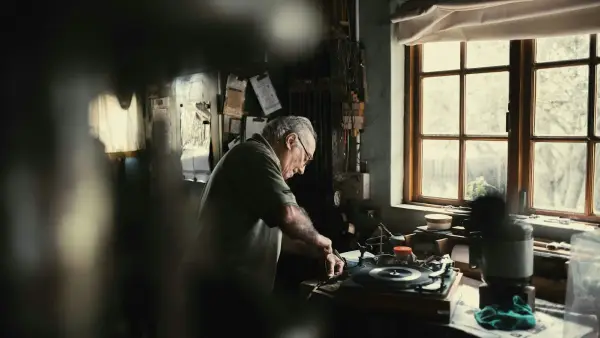
Psychology says men who can diagnose what is wrong with an engine by the sound it makes but cannot tell you what they are feeling right now are not emotionally unavailable, they are men who grew up in homes where being useful was the only reliable way to be loved, and the competence everyone admires at fifty-seven is the same wall that keeps everyone at arm's length

She's 54 and has finally realized the reason she cries at other people's weddings, graduations, and milestones isn't sentimentality - it's that her emotional resonance reaches places in her body she has never been able to access on her own behalf
Children who became the peacemaker between warring parents - stepping between arguments, softening messages, reading the air before anyone spoke - often become adults who can walk into any tense room and calm it down within minutes but have never once allowed themselves to have an emotion that might inconvenience someone else
Psychology says people who apologize for things that are clearly not their fault are not insecure - they grew up in homes where someone else's mood was always their responsibility, and the reflex to say sorry before anyone has accused them of anything is not weakness but a nervous system still trying to prevent a consequence that stopped being possible twenty years ago

7 things that quietly happen to people who laugh immediately after saying something honest about how they feel, because the laugh was never humor - it was a child who learned that the safest way to tell the truth was to make it sound like a joke, and by forty-five the reflex is so seamless most people never realize the funniest person in the room is also the most afraid of being taken seriously, according to psychology

Children who were always sent to check on the crying sibling - 'go see what's wrong with your sister' - often become adults who cannot hear someone in distress without physically moving toward them, and the compulsion that everyone calls compassion is not a personality trait but an assignment they were given at six years old before anyone thought to ask if they wanted the job
She's 60 and has finally understood that the reason she writes 'no worries if not!' at the end of every request she makes is not politeness - it is a woman who learned at nine that asking for something without providing an escape route was the fastest way to become a burden, and by sixty the phrase is not generosity but a body that still apologizes for having needs
Psychology says men who cannot tell their wives what they actually want for their birthday are not being easygoing and they are not low-maintenance, they were boys who learned somewhere around nine that wanting something out loud was the fastest route to disappointment, and by forty-eight their wives have quietly stopped asking because the question stopped producing anything that sounded like a man with a self
Psychology says people who finally stopped keeping score in their closest relationships are not the ones who reached emotional maturity first, they are the ones who quietly admitted the scoreboard was invented years ago to prove something to a parent who isn't in the room anymore, and the relief they feel when they set it down is the relief of putting down a weight they never chose to pick up
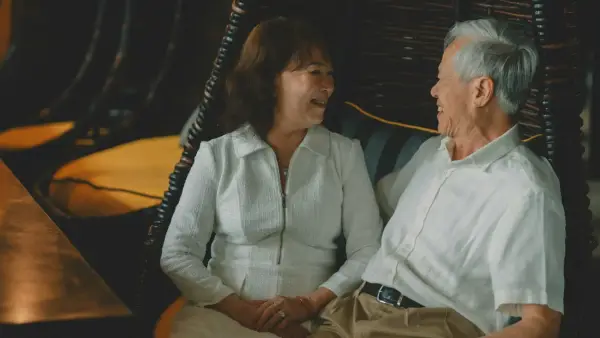
There is a grief that begins long before anyone has died, the grief that arrives the first time your mother asks you to repeat yourself or your father writes down the name of a restaurant he used to remember without trying, and by the time anyone is ready to use the word loss you have already been mourning in silence for years inside a funeral nobody else can see
Psychology Says Men Who Deflect Every Compliment About Their Success With a Joke or a Shrug Aren't Being Humble - They're Running a Survival Reflex a Small Boy Invented Long Before the Man Knew He Was Using It
He is 49 and has just realized that the twenty years he spent answering every question with 'I'm fine' were not emotional stability and they were not strength, they were a slow and thorough forgetting of what it felt like to want something badly enough to say it out loud, and the steadiness everyone admired was actually the quiet sound of a man who had taught himself not to need
Psychology says people who cannot enjoy something good without immediately bracing for it to be taken away are not pessimists and they are not anxious, they are people whose earliest experiences of happiness were followed so reliably by disruption that their nervous system learned to treat joy itself as the warning that something was about to begin

There are apologies that arrive twenty years too late and still change the shape of everything, not because the words undo what happened, but because the person who finally says them is admitting out loud that the version of the story you have been carrying alone in your body all this time was the true one

7 things that quietly happen to the children who were always called "the smart one" in the family, because being praised for your mind in a home where nobody was actually listening meant learning that your thoughts were only valuable when they were useful to somebody else, and the exhaustion you carry in your forties is thirty years of explaining yourself to a room that was never going to really understand, according to psychology
Children who became the emotional translator between their parents - interpreting dad's silence for mom and mom's tears for dad - often become adults fluent in everyone else's feelings but completely unable to locate their own

She's 49 and has finally understood that the emotional intelligence everyone has praised her entire life was never actually a gift - it was a surveillance system she built as a child in an unpredictable home, and the reason she's so exhausted at the end of every social interaction is that she has never once walked into a room without scanning it for danger first
8 signs you've been reading people your entire life without anyone teaching you how, and it's not intuition - it's what happens when a child learns before kindergarten that survival depends on knowing exactly who in the room is about to become unpredictable, according to psychology
Daughters who watched their mothers give everything to everyone - every meal, every crisis, every ounce of energy - and quietly promised themselves at twelve years old that they would never need anyone that much, are now realizing that promise became a prison

7 quiet behaviors of people who grew up poor but don't talk about it, according to psychology - the ones who always offer to pay, memorize prices, and apologize for wanting things

There's a kind of tiredness that has nothing to do with sleep, and no amount of rest can fix it

The quiet power of people who don't need to prove themselves to anyone