Life & Wisdom
What we learn at 40, 50, 60, and beyond - the insights that only come with time.

Nobody tells you that the hardest part of turning 60 is not the body slowing down but the phone getting quieter - the friends who used to call every Sunday, the birthday messages that arrived without reminders, the voice on the other end saying I was just thinking about you - because a woman who sits at her kitchen table on a Saturday afternoon staring at a phone that used to ring every hour has not become less loved but has simply outlived the people who knew her number by heart
Life & Wisdom
There is a particular kind of woman who still answers the phone without checking who is calling - who picks up on the second ring with a hello that sounds like an open door, who has never in her life let a call go to voicemail on purpose - not because she lacks boundaries or has not learned to screen but because a girl who grew up in a house with one telephone mounted on the kitchen wall learned that a ringing phone was a summons you did not ignore, and a woman at sixty-one who answers every call from every unknown number is not naive or careless but still honoring the contract her mother signed with the world: when someone reaches for you, you reach back
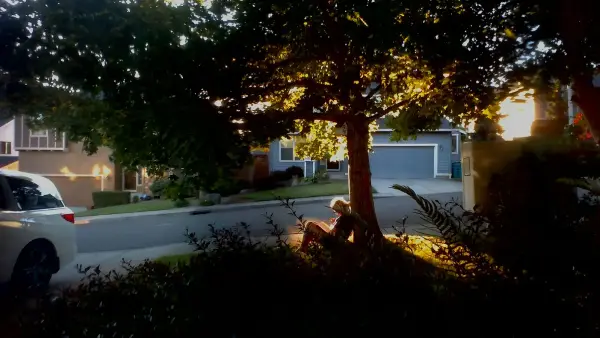
He is 64 and just realized he has been sitting in the driveway for five minutes after pulling in from work every single evening for his entire adult life - the engine off, hands still on the wheel, breathing settling, the house glowing through the windshield like something he needs to prepare himself for - not because he is tired or avoiding the people inside but because a boy who watched his father walk through the front door and immediately become someone else's answer to every question in the room learned that the five minutes between arriving and entering was the last territory a working man owned, and he has spent forty years guarding it the way you guard the final page of a book you are not ready to finish
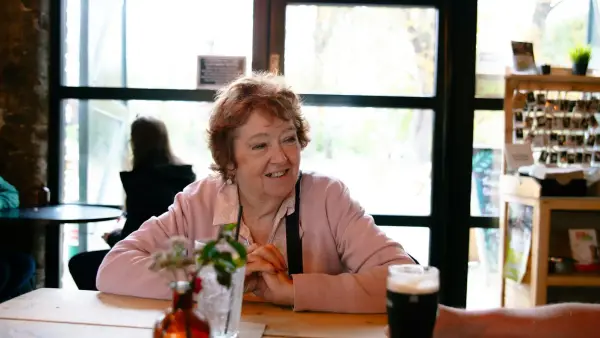
She is 62 and just realized that every friendship she has maintained for more than twenty years survived not because of the big moments - the weddings attended, the crises talked through, the funerals stood beside - but because of the small, deliberate acts of remembering that nobody ever thanked her for: the text on a random Tuesday, the birthday never once forgotten, the way she always asked about the specific thing they mentioned last time, and she understands now that maintaining love was never a feeling but a practice, a discipline in tenderness that the world never taught her to value
He is 62 and just realized he has been the first person to arrive at every office, every job site, every meeting room for his entire working career - not because he is punctual or ambitious but because a boy who watched his father sit in the truck in the driveway at 5 AM every morning, engine running, coffee balanced on the dashboard, waiting to leave before the sun came up, learned that a man who arrives first never has to explain himself to anyone, and arriving early was never about time but about making sure he would never be in a position where someone could question whether he belonged

There is a particular kind of peace that arrives after sixty - the peace of hearing someone describe you incorrectly and choosing not to correct them, of letting a friend misremember a story you both lived through, because the people who truly know you have always known you and the people who don't were never going to learn you from a correction

8 things people over 60 understand about waiting that people under 40 keep mistaking for doing nothing - the pause before responding to an insult, the discipline of watching a grown child make a preventable mistake without stepping in, the refusal to fill every silence with speech - according to psychology
He's 66 and just realized he reads the obituaries every Sunday morning - not looking for anyone in particular, just sitting with the paper the way his father did, running a finger down the column of names the way a man reviews a guest list for a gathering he was not invited to but feels he should have attended - because his father told him once that reading the obituaries was how a quiet man kept track of the neighborhood after the neighborhood stopped keeping track of itself
She's 62 and just realized she says 'be careful' every time someone she loves walks out the front door - not because she thinks the world is dangerous, but because her grandmother said it to every person who left her house for fifty years, and a girl who heard those words at every doorway learned that love is something you pronounce over people as they leave
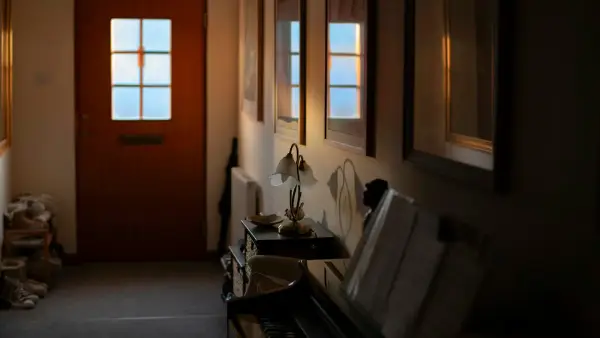
He's 64 and just realized he still turns off every light when he leaves a room - follows the family through the house flipping switches behind them, patrols the upstairs before bed like a man conducting an inspection nobody assigned - because his father counted kilowatt hours the way other men counted miles per gallon, and a boy who watched a man stand in the doorway of an empty room and sigh at a single burning bulb learned that leaving a light on in a room nobody was using was not carelessness but a kind of sin, the one waste a working man could actually prevent
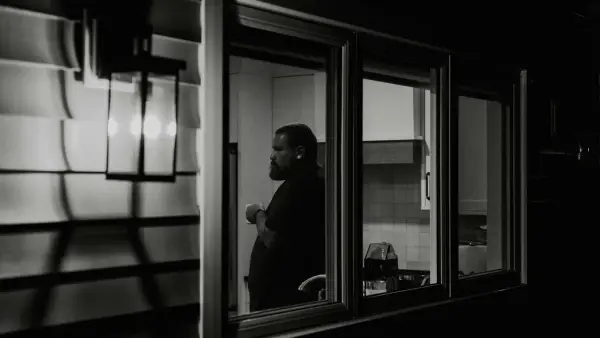
He's 67 and just realized he still checks the weather forecast every morning even though he hasn't worked outdoors in six years and has nowhere particular to be - because a man who spent four decades arriving at a job site before dawn learned that the first act of every morning was to ask the sky what it intended to do to his plans, and the forecast became the only prayer a practical man ever allowed himself, the daily ritual of reading the world's mood before deciding how to meet it
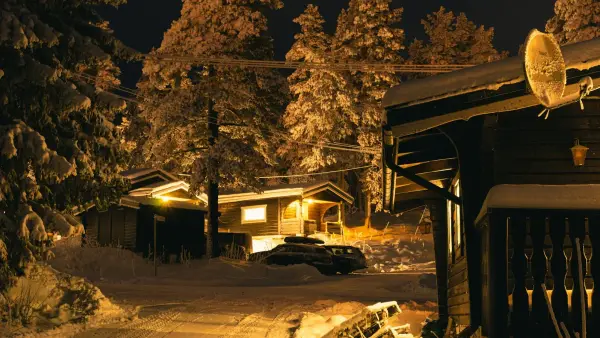
He's 67 and just realized he has been leaving the porch light on every single night for forty years - even though his children moved out two decades ago and his wife goes to bed at nine - because his mother left the light on for his father every night he worked the late shift, and a boy who grew up seeing that warm square of yellow from the backseat of the car learned that love is not always a conversation or a touch but sometimes just a light left burning so someone knows they are expected, and the man at sixty-seven who still flips the switch at dusk is not wasting electricity but maintaining the only lighthouse he was ever taught to build

He's 66 and just realized he still carries a folded twenty-dollar bill behind his driver's license - separate from his spending money, untouched for years, moved from wallet to wallet - because his father kept a bill tucked behind his union card for thirty years and told a boy who asked about it that a man should always carry enough to get home from wherever he ends up, and the twenty was never about the money but about a working man's knowledge that the distance between standing and stranded can close in a single afternoon

He's 64 and just realized he still introduces himself by his old job title three years after retiring - 'I'm in engineering' instead of 'I was in engineering' - because a man who spent forty years answering the question 'what do you do' never once practiced answering the question 'who are you' without the work providing the first sentence, and the silence that follows retirement is not peace but the sound of an identity that was never built to survive the thing that held it up
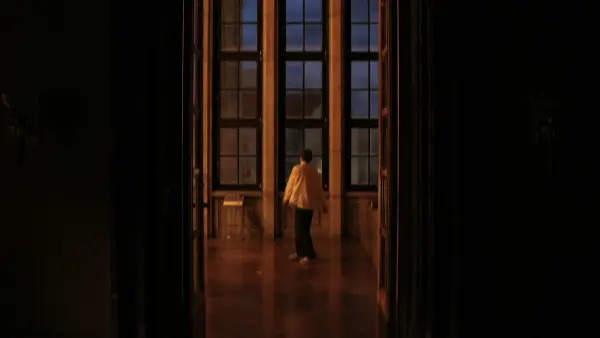
He's 62 and just realized that the way he whistles the same tuneless four-note melody every evening when he walks through the house - between the garage door and the kitchen, between taking off his shoes and opening the refrigerator, a sound so habitual his wife can tell he is home before she sees him - is the exact sequence his father produced every night for thirty years, and the son who thought he was just walking through his house was really performing the only evening prayer a working man ever figured out how to say without kneeling
Life & Wisdom
He's 60 and just realized that the reason he always backs the car into the driveway - the slow reverse, the arm stretched along the passenger headrest, the careful alignment between the recycling bins and the garden hose - is because his father backed into every single space his entire life, and the son who inherited the maneuver was never learning to park but absorbing a man's quiet belief that you should always be pointed toward whatever comes next
He's 63 and just realized the reason he walks through the house every night turning off every light behind him - the bathroom his daughter left blazing, the hallway nobody is walking through, the porch light his wife turned on at dusk and forgot about three hours ago - is because his father made the same circuit in the same house fifty years ago, and the boy who followed that man through a darkening hallway learned that love sometimes looks like making sure nothing burns for an empty room

He's 61 and has just realized that the way he taps a watermelon at the grocery store - three knocks with the flat of his knuckles, head tilted, listening for the deep hollow sound that means it's ready - is the exact same test his father performed every August at the roadside stand on Route 9, and the son who learned to listen for ripeness through a rind was never learning about fruit but about the kind of man who could tell what was good by the sound it made when you asked
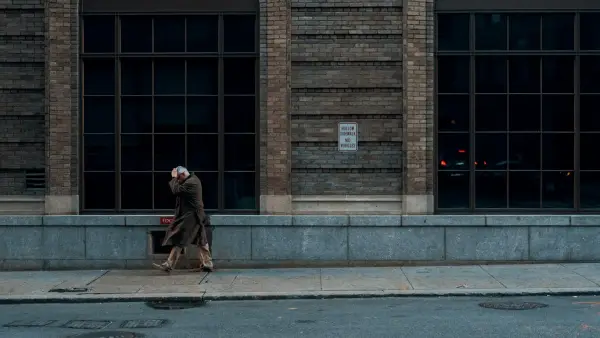
He's 64 and just realized that the way he always moves to the outside of the sidewalk when walking with anyone - the quiet shuffle to position himself between the person beside him and the road, the hand that drifts to guide someone to the inside without saying a word - is the exact positioning his father held every single walk they ever took together, and the man who thought he was being protective was really performing the only choreography of devotion his father ever taught him

She's 63 and has just realized that the way she stirs her coffee every morning - three slow circles with the spoon and then two taps against the rim of the cup, the same sequence every time, the same small sound echoing off the ceramic - is the exact rhythm her mother made in the kitchen at six in the morning, and the daughter who has been recreating a sound she memorized before she learned to read was never stirring coffee but conducting the only morning orchestra that ever made her feel the day would be all right

She's 63 and still turns the car radio down every time she needs to park, the same instinctive reach for the volume knob her mother made whenever anything required concentration, because she didn't inherit a preference for silence but a nervous system that believes the world gets clearer when it gets quieter
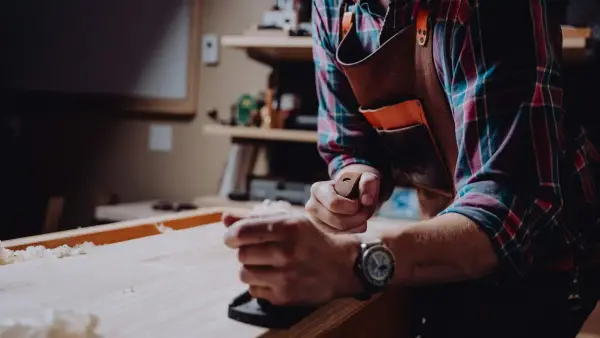
He's 62 and just realized that the reason he still walks through hardware stores touching everything - running his palm along a sheet of plywood, testing the weight of a wrench, squeezing a pair of pliers open and shut - is because his father never read labels or compared prices but judged everything by how it felt in his hand, and the son inherited not a preference but a prayer: that the world is still a place where a man can tell what's real by holding it

He's 63 and just realized the reason he still dims every light in the room before showing someone a photograph on his phone - cupping his hand around the screen, tilting it away from the glare, leaning toward whoever he's with and saying 'here, come look at this' - is the same ritual his father performed in the living room on Sunday nights when he pulled down the white screen and clicked the first slide into the carousel projector

She's 64 and every night she places a glass of water on her nightstand before bed, and every morning she pours it untouched down the sink, because the glass was never about thirst - it was the last surviving gesture of a mother who wanted her daughter to fall asleep knowing someone was still thinking of her after the light went out
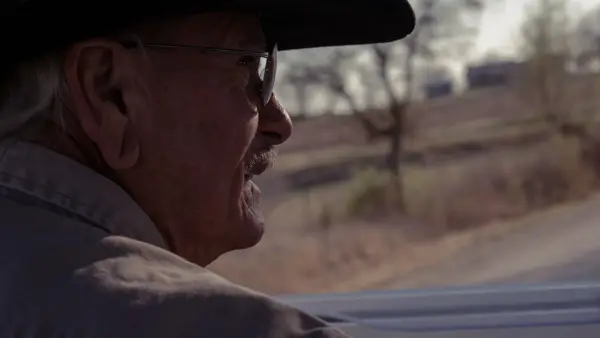
He's 61 and just caught himself explaining to the empty passenger seat how the grandchildren are doing in school - narrating his life out loud to a father who died fifteen years ago - and the realization that stopped him was not that he talks to a dead man but that he has never once run out of things to tell him, because the conversation that never happened while his father was alive finally found the only room where no one could interrupt it
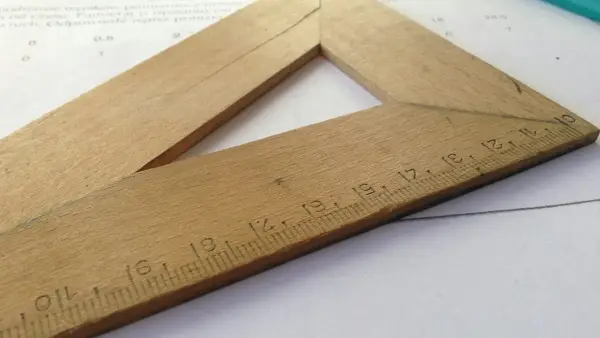
She's 64 and has just realized that the pencil marks on the kitchen doorframe - the ones she made every September, lining each child up against the wood, pressing a flat book to the crown of their head, drawing the line, writing the name and the date in her careful hand - were never a record of how tall they were getting but a measure of how quickly they were leaving
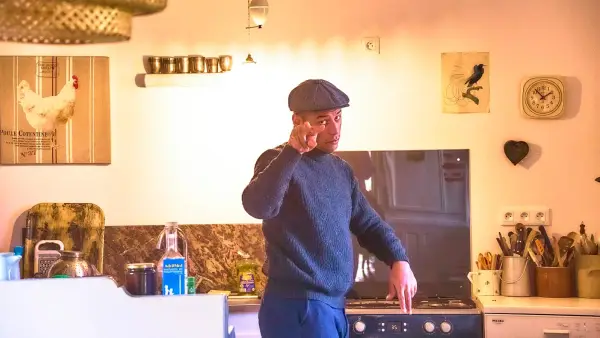
He's 63 and just realized the scorched potholder by the stove - the one his wife made in a craft class twenty years ago, the one he reaches for every time even though newer ones sit in the drawer - was never a kitchen tool but the last place in the house where his hand still touches something her hands made

She's 62 and has just realized that the jar of buttons she keeps on the top shelf of her closet - buttons from coats that wore out decades ago, from shirts her children outgrew, from a dress her mother wore to church every Sunday until the fabric gave - was never a sewing supply but a census of every person she loved enough to save a piece of before letting the rest go
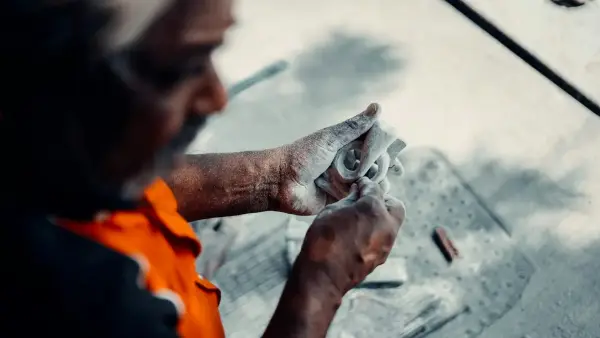
She's 59 and Just Realized That Her Father's Whittling Every Evening on the Porch - Folding Knife and a Cedar Stick, Never Making Anything Recognizable, Just a Pile of Shavings at His Feet - Was Never a Hobby. It Was the Only Way He Knew How to Be Still Without Being Empty.
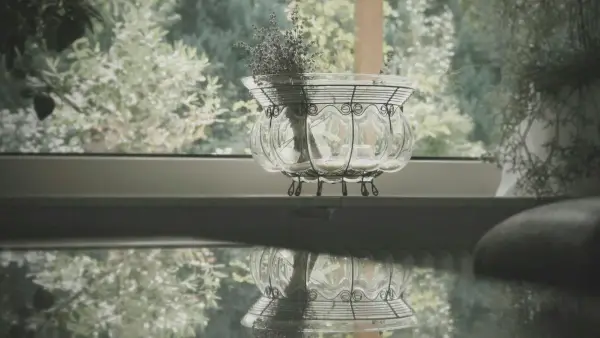
She's 66 and has just realized the reason she still keeps a bowl of butterscotch candies on the coffee table - the same amber discs in the same kind of cut-glass bowl on the same kind of crocheted doily her grandmother kept in her living room forty years ago - even though nobody in her house eats hard candy and the bowl has not been touched in months, is not nostalgia or decoration but the quiet construction of a shrine to the only house where she never had to explain herself
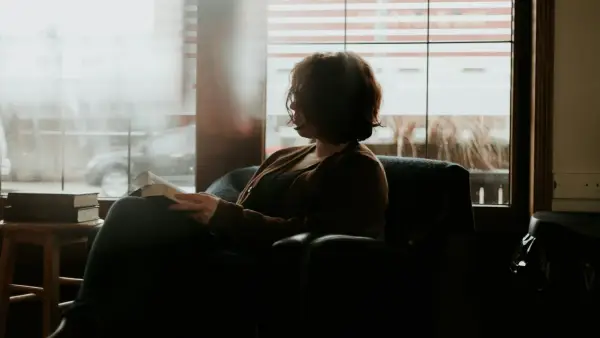
There comes a day, usually somewhere after seventy, when you realize there is nobody left alive who remembers you as a child - nobody who can say what you were like at six, nobody who was there the summer you broke your arm - and the loneliness of being the oldest living member of your family is not about missing the people, it is about becoming the only witness left to your own beginning

There is a kind of tiredness that arrives somewhere around fifty-eight that has nothing to do with the body and everything to do with a man who spent forty years building himself entirely out of usefulness - who measured his worth by what he could carry, what he could fix, what he could provide - and is now standing in a house where his children solve their own problems without calling, his wife runs everything he once thought only he could manage, and his industry has moved on to someone younger, and the exhaustion is not from working too hard but from the quiet discovery that nobody taught him how to exist in a world that no longer needs what he was built to give
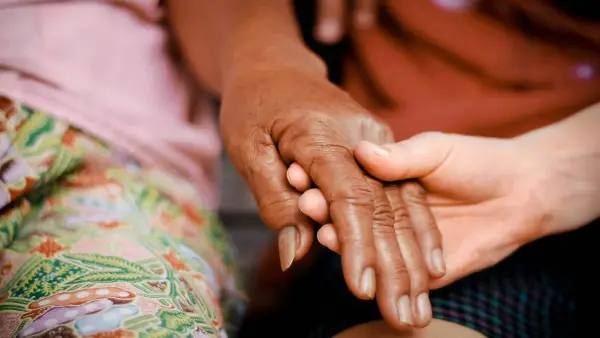
She is 53 and has just realized that every time she visits her mother in the care home she sits in the parking lot for exactly four minutes before going inside, not because she is composing herself but because a daughter who watched the woman who once organized the holidays and balanced the checkbook and remembered every teacher's name now struggle to remember which meal she just ate needs those four minutes to become the version of herself who can walk through the door and pretend that watching someone you love forget the life they built is something a person can do without rehearsing first
She is 54 and has just realized that the reason she has not changed the radio station in her car in eleven years - not once, not even when they moved to a format she does not particularly like - is that this was the station playing the morning her youngest asked from the backseat what a word in the song meant, and the ordinary afternoon her eldest sang along without realizing she was listening, and somewhere between those two moments the frequency stopped being a radio station and became the last place where her children's voices still live at the ages they will never be again

There is a kind of forgiveness that only arrives in your fifties - not the kind you decide on but the kind that happens to you like weather, the morning you realize the person who hurt you twenty years ago has become a story you can tell without your chest tightening, and the woman who spent two decades rehearsing what she would say if she ever saw him again discovers she has nothing left to say, not because she has forgotten but because the anger finally left her body the way guests leave a party - one by one, without announcing their departure, until the room was empty and she was the only one still standing in it
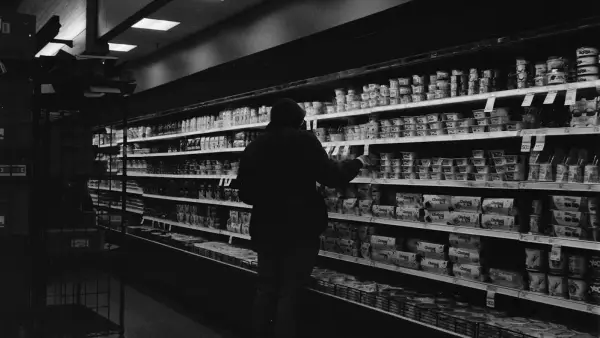
Psychology says people over 55 who can navigate the exact layout of the grocery store they shopped at in 1985 - every aisle, every turn, the precise spot where the pharmacist knew their name and asked about the children - but who get completely disoriented in the store they have been going to for three years are not losing their spatial memory but revealing that the brain builds its deepest maps during the years when every errand still felt like a small expedition into a world that was not yet routine, and a woman at sixty who wanders the wrong aisle is not confused but carrying the permanent architecture of every room where someone once knew her name
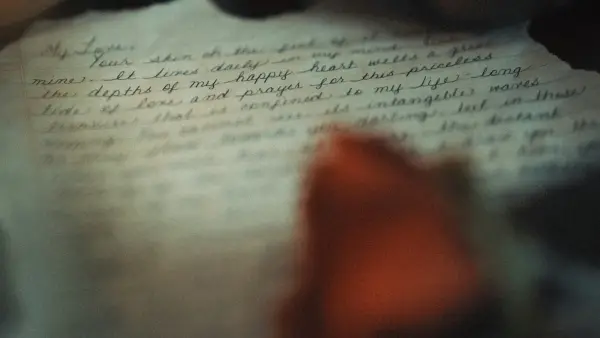
Psychology says people over 55 whose handwriting is still beautiful - who can produce the same flowing cursive they learned in third grade with loops and flourishes their teacher would recognize - but who cannot send a text message without three typos and an autocorrect error that changes the meaning of the entire sentence are not losing fine motor control but revealing that the hand builds its deepest pathways during the years when every letter was practiced one hundred times on lined paper, and fingers that learned to form a capital Q at eight years old carry that instruction in a place that no amount of typing on glass will overwrite
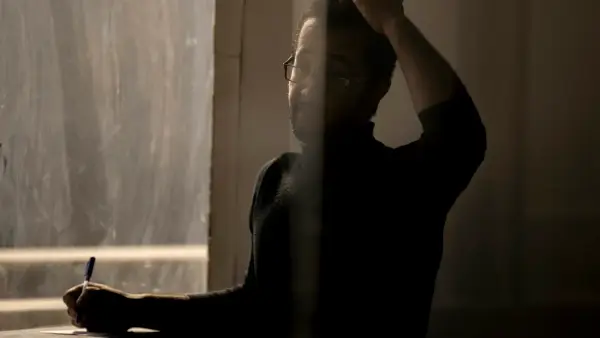
Psychology says people over 55 who can recite the exact address where they grew up - the house number, the street, the town they wrote on every permission slip and library card from first grade through senior year - but cannot remember their current zip code without looking it up are not losing their memory, they are revealing that the brain builds its deepest maps during the years when every journey ended at the same door, and an address a child walked toward ten thousand times is stored in a place that no amount of moving can overwrite
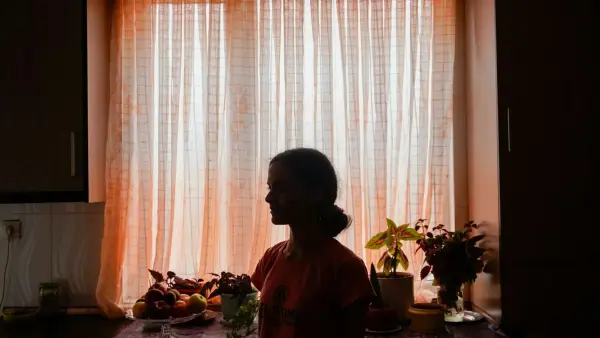
There is a specific kind of quiet that only exists in a house after the last child has left for college - not the silence of absence but the silence of a woman hearing her own life for the first time in twenty-two years
Psychology says parents over 55 who cycle through every child's name - and sometimes the dog's name - before landing on the right one are not losing their memory, their brain stores everyone they love in a single category, and the wrong name surfacing first is proof of how deeply connected those people are in their mind
Psychology says people over 55 who can recognize a face they saw once at a dinner party in 1996 but cannot remember that person's name five minutes after being reintroduced are not losing their memory - the brain processes faces and names through entirely separate systems, and the one that remembers faces was built across millions of years of evolution to never let one go
Psychology says people over 55 who can still recite a phone number they haven't dialed since 1987 but cannot remember their own current number without checking their phone are not losing their memory - they are revealing that the brain encodes information through fundamentally different pathways, and the number their fingers learned at twelve is stored in a place that time cannot easily reach
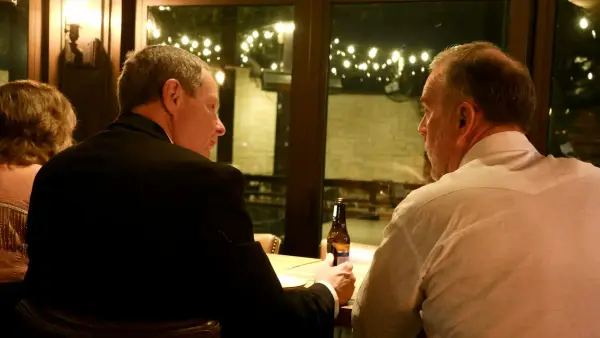
Psychology says people over 55 who know exactly who someone is - can picture their face, remember where they met, recall their spouse's name - but cannot retrieve the person's name are not losing their memory but revealing that their brain knows more than their tongue can deliver at any given moment

Psychology says people over 60 who can sing every word of a song they heard in 1978 but cannot remember what they had for lunch yesterday are not losing their memory - they are revealing the exact difference between how the brain stores what moved you and how it stores what merely happened to you, and the woman at sixty-three who cannot recall Tuesday's dinner but can recite every verse of a song she slow-danced to at seventeen is not failing but remembering exactly the way memory was designed to work
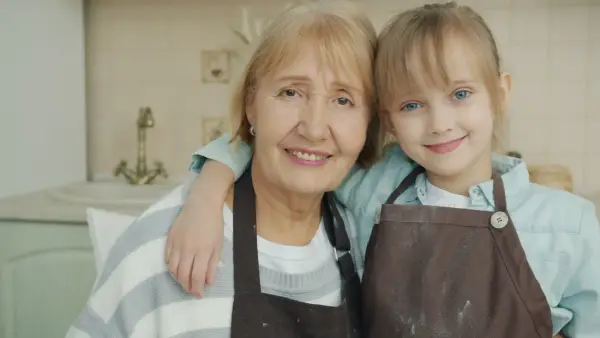
8 things grandparents who parent their grandchildren differently than they raised their own kids quietly reveal about the lessons that only arrive after the urgency is over - not the spoiling everyone jokes about but the specific deliberate corrections a woman at sixty-three makes because the mother who was too exhausted to be patient at thirty-one has had three decades to understand what that cost, according to psychology
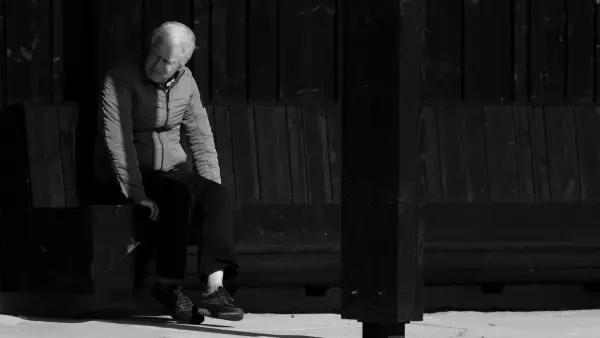
There are men who know exactly how their father walked - the specific gait, the weight of a boot on hardwood, the way a shoulder dropped at the end of a long day - and the son at sixty-two who catches himself walking that same walk in his own driveway is not growing old, he is finally fluent in the only language his father ever spoke

She's 62 and saves every voicemail her mother leaves - not for the words, which are always the same gentle nothing, but because a daughter old enough to hear what's changing in a voice that shaped her before memory began understands she is quietly collecting the sound of being loved while it is still being offered

8 things that quietly change about the way you remember your parents in the years after they die - not the grief everyone prepares you for but the slow, specific recalibrations your memory makes when there is no longer a living person to correct the portrait you are building, and the version of them that lives inside you by sixty is someone they might not fully recognize, according to psychology
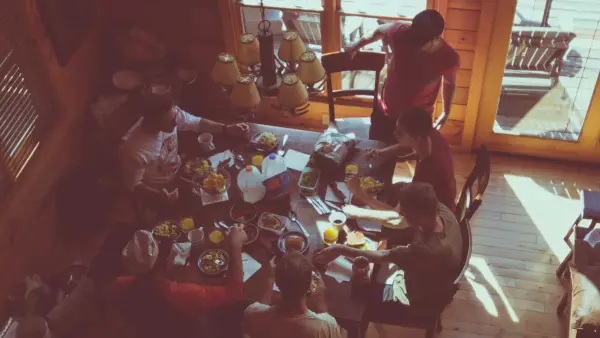
He is 62 and still polishes his dress shoes every Sunday morning even though nobody at his office has worn dress shoes in a decade - not because he is old-fashioned or clinging to a world that moved on without him but because a boy who watched his father sit on the back step with a tin of Kiwi polish and a rag that was always the same rag learned that the only version of self-care his father's vocabulary contained was maintenance, and the man at sixty-two buffing leather in a quiet kitchen before anyone else is awake is not performing a dead ritual but practicing the only tenderness a generation of men was ever taught to show themselves
He's 63 and Has Never Once Walked Through His Own Front Door Without Calling Out 'It's Me' First - Because a Boy Who Came Home Quietly One Afternoon and Saw His Mother's Unguarded Face, Private and Sad and Not Meant for Him, Decided at Nine That His Presence Required Advance Notice
Life & Wisdom
He is 61 and has just realized that he returns every borrowed thing in better condition than he found it - washes the neighbor's truck before returning the keys, replaces the drill bit he used, fills the gas tank past where it was when he took it - not because he is generous or meticulous but because a boy who was told he broke everything he touched decided before he could name the feeling that the only defense against the accusation was evidence, and the washed truck at sixty-one is not courtesy but a man still submitting proof that he can be trusted with things that do not belong to him
He's 62 and has just realized that in thirty-five years of marriage he has never once been the first to say 'I love you' at the end of a phone call - she says it and he says it back, every time - because a boy who never heard his father initiate tenderness learned that love is something you confirm, never something you announce
He's 62 and has just realized that his adult son only calls when something needs fixing - not money, not emotional advice, not because he misses him, but literally fixing, a leaking pipe, a car that won't start, a shelf that needs mounting - and the man who drops everything every single time is not being used but being offered the only language of closeness his son ever learned from watching him, because a father who showed love exclusively through competence raised a boy who learned that the bridge to his father was built from broken things, and the phone call at thirty-four about a dripping faucet is not a request for a plumber but a son building the only architecture of intimacy his father ever demonstrated
He's 60 and He Just Realized That Every Time His Adult Daughter Asks Him a Question He Already Knows the Answer To, He Pretends to Think About It - Pauses, Tilts His Head, Says 'Let Me Think' - Because a Man Who Watched His Father Answer Every Question With Immediate, Conversation-Ending Certainty Learned That a Child Who Gets an Answer Too Fast Never Gets a Conversation

He's sixty-one and has just realized that in thirty-six years of marriage he has never once told his wife he is afraid of something - not the diagnosis, not retirement, not dying, not becoming his father - and the reason is not courage and is not stoicism, it is that a boy who watched his own father walk into every room as if nothing could touch him learned that fear was the one feeling a man was never permitted to have out loud, and the man lying awake at three in the morning next to a woman who has shared everything with him has never once shared the one thing that would make her feel less alone in her own terror
She is sixty-four and has just realized that the daughter she spent thirty years trying to protect from becoming her mother has become exactly the woman she always wanted to be herself - confident where she was cautious, vocal where she was silent, unafraid to leave rooms that no longer served her - and the pride arrives every single time wrapped around a grief she cannot name, because the best version of her own unlived life is walking around in someone else's body and calling her Mom
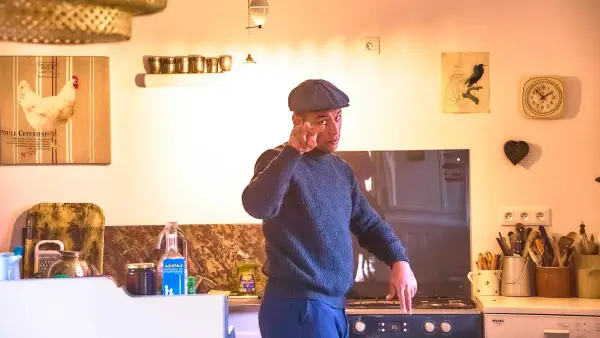
He is 58 and still buys the same brand of coffee his father drank even though he has tried better ones and knows the difference - it is not loyalty to a brand, it is that the smell of that particular roast in a kitchen before sunrise is the closest he will ever get to standing in his father's kitchen at seven years old, watching a man who never said the words pour a second cup without being asked just because his boy had wandered downstairs
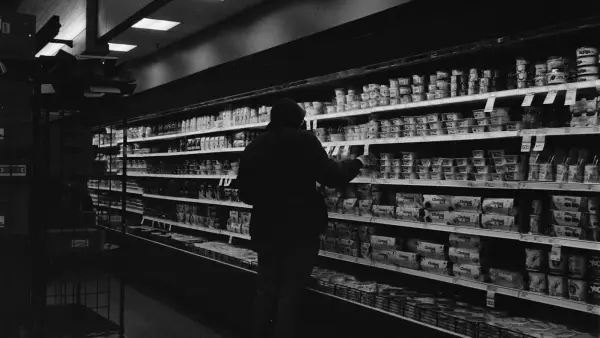
She's 62 and just realized she still buys her adult children's favorite cereal every grocery trip even though they haven't lived at home in twenty years - it's not forgetfulness, it's a woman whose body learned that keeping the pantry stocked was the closest she could come to guaranteeing they'd always come back
He is 59 and has just realized that the only movies that have ever made him cry are the ones about fathers and sons - not the grand dramatic performances but the quiet scene where the father puts his hand on the boy's shoulder and says nothing at all, where the old man stands in the bleachers alone, where the father and son sit on a porch and let the silence say everything - and the tears at fifty-nine are not about the movie but about the boy who never had a father tender enough to offer that silence and the man who spent thirty years building from nothing the gentleness his son will never know was not inherited but invented
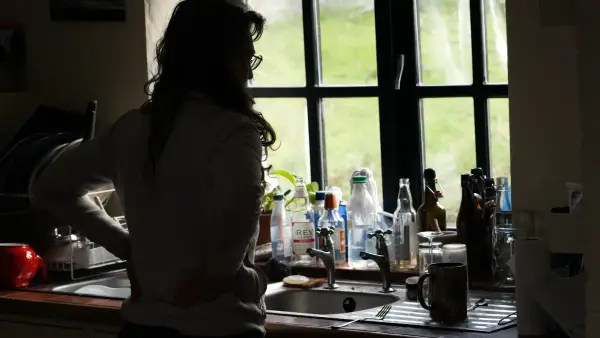
There is a kind of tired that has nothing to do with sleep, the kind that lives in a woman of fifty-three whose bloodwork is perfect and whose body has been running the surveillance system a child built, because the tiredness was never a symptom, it was a bill that finally arrived
He is sixty-two and has just understood that the advice he gives his adult children - unsolicited, relentless, about things they clearly already know how to do - is not control and is not criticism, it is the last language of love available to a man whose children no longer need anything he was built to provide, and the father who texts his thirty-five-year-old daughter to check her tire pressure is not being annoying but is a man whose entire vocabulary of devotion was built from usefulness, searching for something to attach his love to now that nobody needs him to carry, fix, or protect anything ever again
7 things that quietly change about your definition of loyalty after you turn fifty-five, according to psychology - and the hardest one is realizing that some people you defended for decades were never once defending you back

She's 63 and Just Realized She Still Saves the Nice Candles, the Good Soap, the Expensive Lotion Her Daughter Bought Her Three Christmases Ago - Not Because She's Frugal but Because a Girl Who Watched Her Mother Use the Cheapest Version of Everything So the Family Could Have the Better One Learned That a Woman's Worth Was Measured in What She Was Willing to Deny Herself

He is 60 and has started apologizing to his adult children for things they do not even remember - the recital he missed, the Saturday he worked instead of fishing, the night he raised his voice over something that was never about them - and the part that undoes him is not their forgiveness but their confusion, because a man who carried those moments for twenty-five years just discovered that the weight he never set down may have been the very thing that kept it from landing on them
He's 62 and has noticed that every phone call with his oldest friends begins the same way - the knee, the shoulder, the thing the doctor said about cholesterol - and he has realized these conversations are not complaints about aging bodies but the only form of vulnerability these men were ever taught, because nobody showed them how to call another man and say 'I am lonely' or 'I am frightened' or 'I don't know what I am supposed to do with all this quiet'

He is 60 and has started asking his adult children what they think about things that do not matter - which movie was better, whether the rain will hold off, what they would order if they were here - not because he needs the answer but because a man who spent forty years telling everyone what he thought just discovered that the shortest distance between two people is a question you do not already know the answer to
Psychology says people over sixty who keep telling the same stories at family gatherings are not losing their memory and they are not boring their families - they are doing what narrative psychologists call identity maintenance, where the stories you return to most often are not the ones you forgot you already told but the ones your psyche has chosen as the load-bearing walls of who you are, and the repetition is not a failing but the way a self holds its own shape across time
There is a morning - and if you are over fifty you already know exactly which one - when you put on two different socks, noticed, and for the first time in your life decided it did not matter, and that morning was not the beginning of giving up but the quiet end of a loyalty you had been paying your entire adult life to a room full of people who were never once looking at your feet
Children who watched their grandmother iron everything in the house - the pillowcases, the napkins, the kitchen towels nobody would ever see - often become adults who cannot explain why a wrinkled sheet feels like something is wrong, not because they are fussy but because a child whose earliest memory of being cared for was the sound of an iron on cotton and the smell of steam learned that love was not a word but a crease, and the woman at fifty-two who still irons the pillowcases is not old-fashioned but fluent in the only dialect of devotion she was ever taught
Psychology says men who start remembering their dreams in their fifties after decades of claiming they never dream are not sleeping differently - they are finally safe enough to let the unconscious speak, because a boy who was taught that the interior life was irrelevant spent forty years training his mind to discard what happened while he slept, and the dreams at fifty-five are not new, they are forty years of unprocessed life arriving at the only door that was ever left unlocked
He's 63 and keeps his father's old toolbox in the garage and hasn't opened it in two years and cannot explain to his wife why he won't give it away - not because the tools are valuable but because a boy who never heard his father say I love you learned to read devotion in the weight of a wrench placed carefully back in its slot and the toolbox is the closest thing to an embrace that man ever left behind
Psychology says people over fifty-five who still wash the dishes by hand even though the dishwasher works perfectly fine are not being inefficient - they are the last generation that learned a task done slowly with your own hands was not wasted time but the only form of thinking that never required anyone's permission, and the warm water at sixty is not about the plate but about the only twenty minutes of the day when no one is asking you for anything
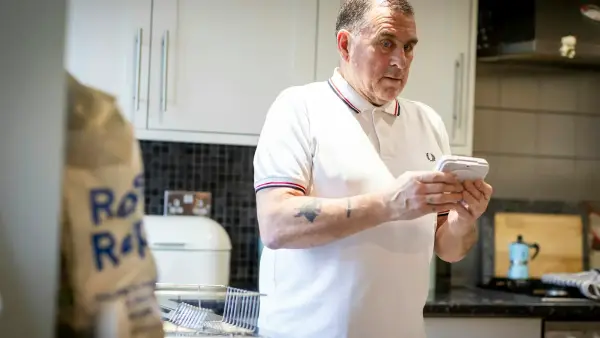
Psychology says people over fifty-five who check the weather forecast every morning before anyone else is awake and then tell their family to bring a jacket even though the sun is shining are not worrying - they are the last generation that learned preparedness was not anxiety but devotion, and the forecast at sixty-one is not about rain but about a person who was raised in a home where the worst thing you could be was the reason someone you loved was caught in the cold without a coat
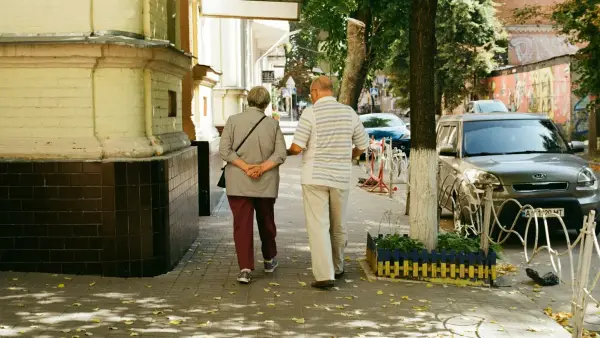
Psychology says people over fifty-five who still give directions using landmarks that no longer exist - turn left where the Woolworth's used to be, go past where the bakery was before it became a bank - are not confused or stuck in the past, they are the last generation that built their maps out of people and places instead of coordinates, and the reason they cannot describe the route any other way is that the town they are navigating was never made of streets but of the lives that once lined them

He's 59 and just realized that the reason there are almost no photographs of him from his children's entire childhood is not that he hated being photographed - it's that he was always the one holding the camera, and thirty years of birthdays, beach trips, and school plays are documented entirely from behind his eyes, and his children have thousands of images proving they were loved but almost none proving he was there
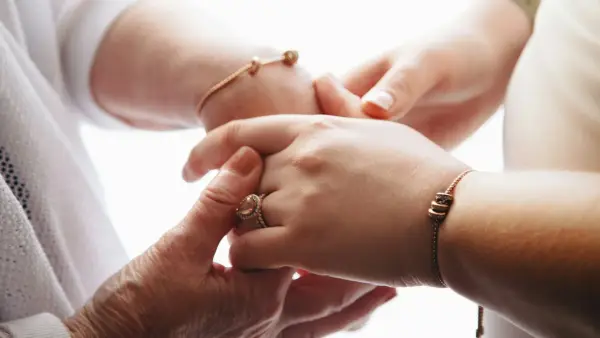
Psychology says people over sixty who have started giving away their best things while they are still alive - the good china, the leather jacket, the ring that meant everything - are not preparing to die, they are doing something far more radical, they are choosing to watch the people they love enjoy what they would have inherited, because a woman who hands her granddaughter the necklace she wore on her wedding day and watches her put it on in the hallway mirror has discovered the one thing every funeral denies you, which is the chance to see your love land
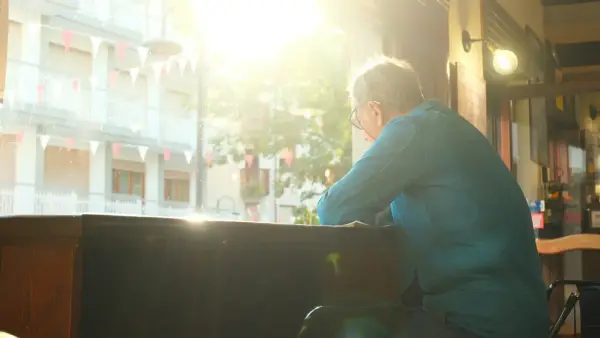
Psychology says people over sixty who have stopped trying to convince their adult children they were good parents are not giving up - they are finally understanding that a child's memory is not a recording but a story told from the height of three feet, and no explanation offered at seventy is going to reach the version of them a seven-year-old already decided was the truth
Life & Wisdom
There are men who reach sixty and discover that the retirement they spent decades imagining was designed for a man who built a self outside of work, and the man who didn't is standing in a garage full of tools he bought for a hobby he doesn't actually have, wondering when the peace everyone promised is supposed to start
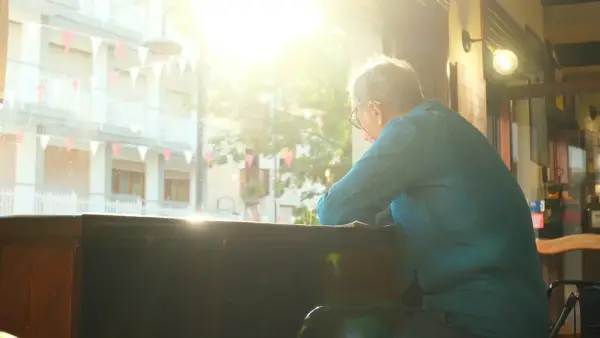
Psychology says men in their sixties who start long conversations with strangers in waiting rooms, checkout lines, and park benches aren't being eccentric or lonely in the way people assume - they are men who have finally stopped performing the efficiency that earned them their careers and are discovering, sometimes for the first time, that talking to another human being without an agenda is the closest thing to freedom they have ever felt

There are retired men who walk the aisles of hardware stores on Tuesday mornings not because they need anything but because the hardware store is the last place on earth where their knowledge still matters, where a younger man might ask which drill bit or which grade of sandpaper, and for thirty seconds they are who they used to be
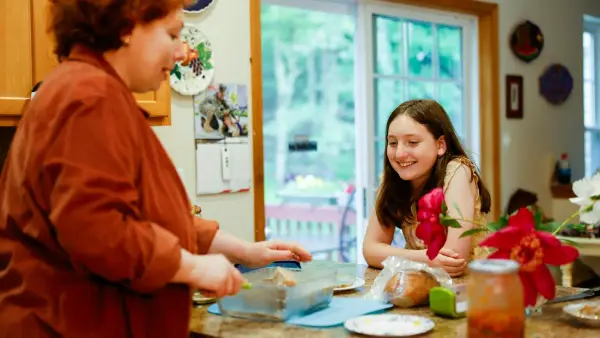
She's 62 and has quietly realized that the hardest part of watching her mother age is not the forgetting or the repeated questions or the arguments about whether she should still be driving - it is that somewhere in the last five years her mother started asking permission before she did things, and the woman who once ran an entire household without consulting anyone now looks at her daughter before ordering at a restaurant, and the reversal nobody prepared her for is not that she has to take care of her mother but that her mother has started treating her like the authority she spent her whole childhood wishing she had
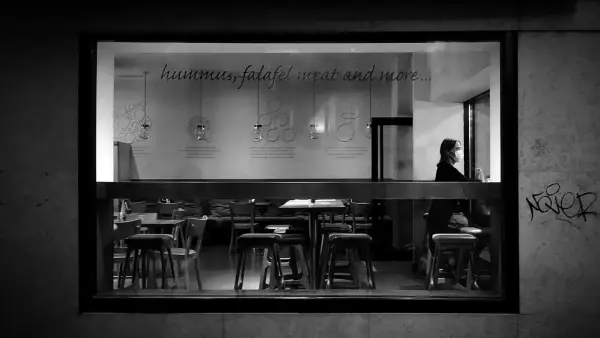
There are retired men who drive to the same coffee shop every morning at 6:15 not because the coffee is any better than what they could make at home but because it is the only place left in their life where someone behind the counter knows their name and would notice if they didn't come, and the drive itself has become the closest thing to being expected somewhere that a man without a job title has
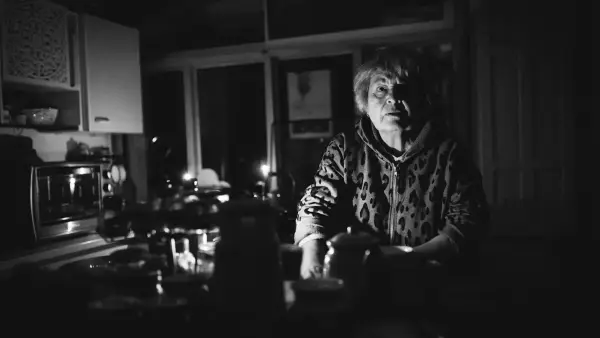
He's 64 and has finally understood that the happiest he has felt in thirty years was the Tuesday his flight got canceled and he spent the entire day alone in an airport hotel room reading a book nobody recommended, eating room service he didn't have to share, and falling asleep without setting an alarm - and the grief underneath the happiness was the realization that the life he built has no room in it for the man he just discovered he still was
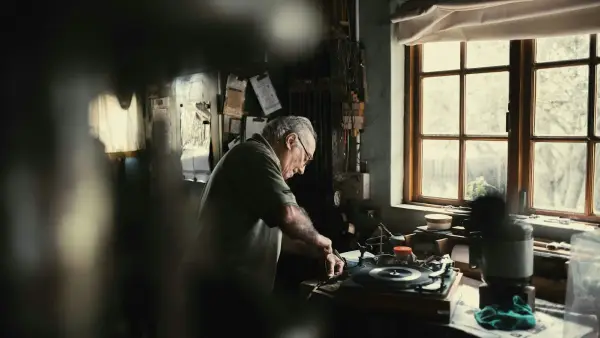
He's 62 and has quietly realized the reason his adult daughter calls every Sunday but his adult son only calls when something needs fixing is not because she loves him more - it is that a boy who watched his father answer every hard question with 'I'm fine' learned that calling home without a practical reason was a form of emotional exposure the men in his family were never taught to risk
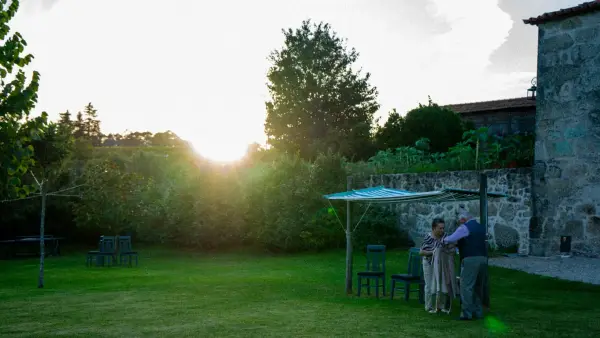
He's 67 and has quietly realized that the reason his grandchildren fall asleep in his arms faster than in anyone else's is not patience and it is not gentleness - it is sixty-seven years of a nervous system that finally stopped bracing, and small children can feel in a body what it took him an entire lifetime to learn: that safety is not something you perform, it is something you become when you stop being afraid of yourself
Psychology says men over 55 who have started going to bed earlier and earlier each year are not losing energy - they are the first generation of men quietly allowing themselves the one form of rest that does not require an excuse, because a man who spent forty years being the last to sit down and the first to stand up never learned a way to say 'I am done for today' that did not sound like giving up

She's 59 and has finally understood why she keeps rearranging the furniture in a house where nothing is actually wrong - it is not restlessness or boredom, it is a woman who spent thirty years arranging every room around other people's comfort and is now, for the first time, trying to build a space that answers only to her, and the rearranging is not the problem, it is the search
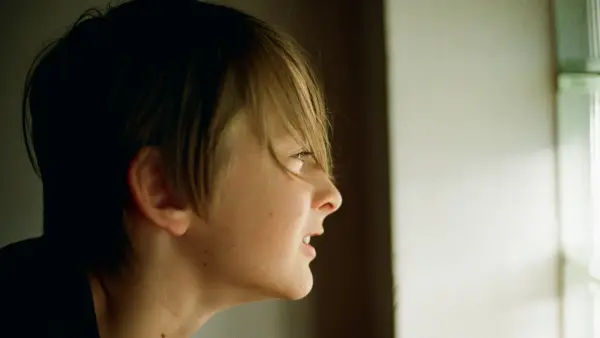
7 things people over 55 quietly understand about forgiveness that younger generations are still confusing with letting someone off the hook, according to psychology - because the woman who finally stopped being angry at her mother at fifty-seven didn't become less hurt, she just became less willing to let someone who wounded her three decades ago continue deciding how she walks into every room
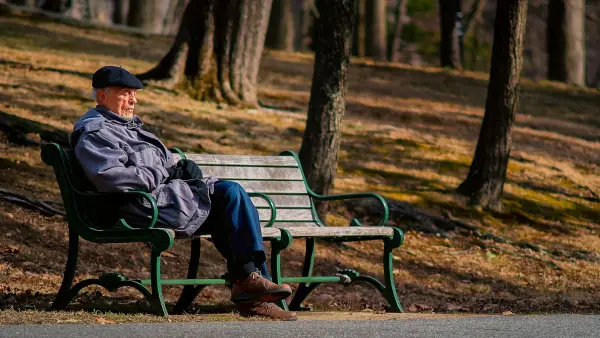
7 things people over 50 quietly stop doing - not because they have given up but because their nervous system finally made the calculation that forty years of performing for rooms that never once asked how they were doing is a cost no amount of approval was ever going to repay, according to psychology
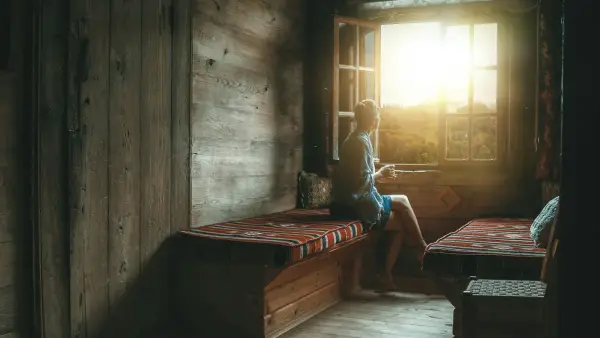
Psychology says people over 60 who have stopped needing to win every argument and started letting people have the last word haven't given up or gone soft - they crossed a developmental threshold where their sense of self stopped requiring external validation, and the quiet they carry now isn't resignation, it is the first real peace they have ever known
9 things people over 55 quietly stop doing - not because they gave up, but because they finally understood that half of what they spent their lives chasing was never theirs to carry, according to psychology
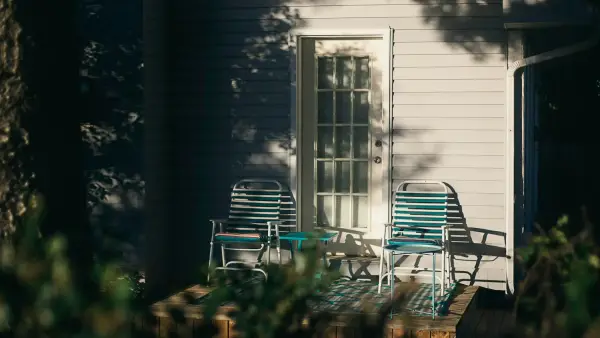
Nobody tells you that the best friendships after fifty are not the ones where you finish each other's sentences but the ones where you can sit in a car together for forty minutes without either person reaching for the radio, because the silence between two people who have stopped performing for each other is the rarest intimacy most adults will ever know
There are people who have reached an age where they no longer explain why they left the party early, why they stopped answering the phone after nine, or why they take their coffee alone on the porch before anyone else is awake, and the silence they have wrapped around these choices is not rudeness - it is the quiet authority of someone who finally stopped auditioning for rooms that were never going to seat them comfortably
Psychology says men over 60 who insist on carrying every grocery bag from the car in a single trip are not being stubborn and they are not proving strength - they are the last generation of boys who were taught that usefulness was the only reliable path to belonging, and every bag they refuse to set down is a body still earning its place in a family that stopped asking decades ago
7 things people over 60 have quietly stopped apologizing for that everyone under 40 is still rehearsing justifications for in their heads, and the freedom that began the morning they stopped explaining themselves was not arrogance but the first time their nervous system was allowed to choose without auditioning for approval, according to psychology
7 things people over 55 quietly stop doing that everyone else is still convinced are necessary, according to psychology - the shedding that begins in midlife is not giving up, it is the first honest edit a person makes after decades of living someone else's draft
There is a kind of conversation that only happens between two old friends sitting on a porch in the last hour of daylight, where the sentences get shorter and the pauses get longer and neither person feels the need to fill the silence, and the thing they are doing together has no name because the generation that perfected it never needed one
He's 62 and has finally realized that the reason he takes the same walk every morning along the same path through the same neighborhood is not habit and it is not laziness, it is that somewhere around fifty-five novelty stopped being the point and the oak tree he has watched grow from a sapling into something that shades the entire sidewalk is the only evidence he trusts that slow and faithful things still become something remarkable
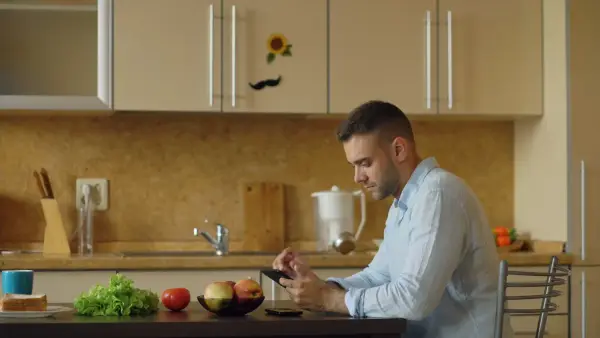
He's 63 and has quietly realized that the best conversations of his week happen with strangers in the hardware store on Saturday mornings - not because the conversations are deep, but because they are the only ones left in his life where nobody needs him to be a husband, a father, a provider, or a version of himself someone else designed, and the man he becomes in the plumbing aisle is the closest he gets to the person he might have been if anyone had thought to ask
7 things that quietly change in people after sixty who have stopped pretending to enjoy things they never actually enjoyed, because the most honest decade of their lives began the morning they realized that nobody was keeping score anymore and the performance they had been running since childhood finally lost its audience, according to psychology
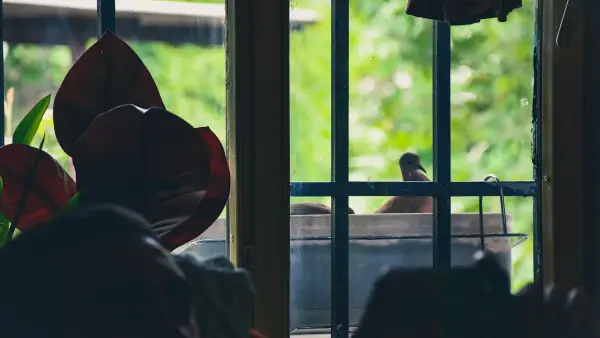
There are grandparents who understand things about their grandchildren that the parents cannot see, not because they are wiser or because love works differently at seventy, but because they are watching from the only distance that lets you see a whole person instead of a problem, and the hardest part of growing old in a family is having the clearest eyes in the room and knowing the kindest thing you can do with what you see is say nothing

7 things that quietly happen to women after sixty who raised their children while essentially parenting alone inside a marriage, not because their husbands were cruel but because the fathers of that era were taught that showing up and providing was the whole job, and the tiredness these women carry now is not from the years of doing but from the decades of pretending the doing was shared, according to psychology
He's 66 and has quietly realized he did not lose his friendships the day he retired, he revealed them, because thirty years of men he called close turned out to be thirty years of shared logistics and hallway hellos, and nobody has called since the email alias stopped forwarding his name
She's 67 and has finally understood that the Sunday phone calls she has been making to her grown children for fifteen years were never really about checking on them, they were her quiet, weekly admission that the version of motherhood she was best at ended somewhere around their senior year of high school, and nobody has ever been able to tell her what comes next

She's 72 and has finally understood that the decades everyone praised her for being the strong one were not strength and were not stability, they were the loneliest years of her life, because nobody ever thinks to check on the woman who seems to be holding everyone else together, and the loneliness she carried the longest was the loneliness nobody was looking for

She's 63 and has quietly realized that the silence she spent decades dreading after her children left turned out to be the first honest conversation she has had with herself in forty years, and the woman she is meeting in that quiet is someone she wishes she had been allowed to know much sooner
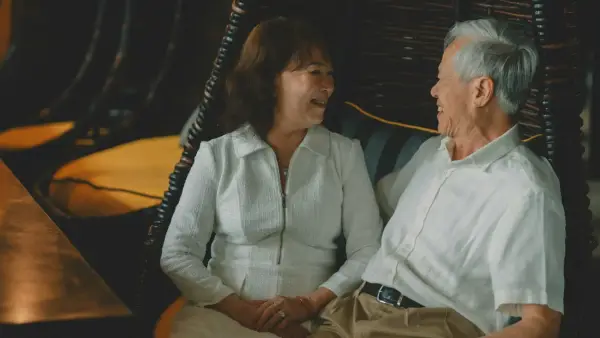
She's 64 and has quietly realized that the grief everyone warned her would arrive after her father's death has already been doing its slow work for three years, one missed name at a time, which means by the day of the funeral she will have already said goodbye to him so many quiet Tuesdays in a row that the ceremony itself may feel less like losing him than like finally being allowed to stop rehearsing
7 things people over 65 have quietly stopped keeping score of - not because they no longer care, but because they finally understood that the scoreboard was something they built as small children to prove they deserved to still be in the room, and the happiest years of their lives began the morning they set it down, according to psychology
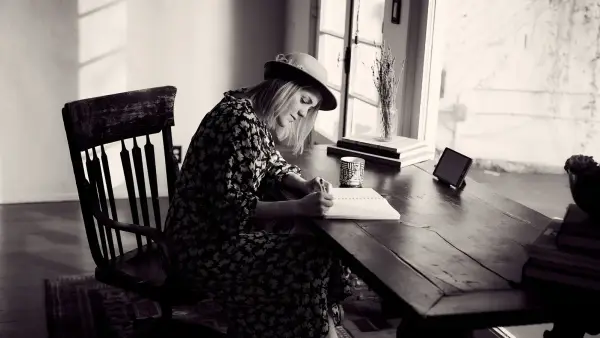
There is a version of you that other people remember more fondly than any other - the one who said yes to everything, who showed up early and stayed late, who never once complained - and the thing nobody tells you at sixty is that the person everyone misses most is the one who nearly killed you to keep alive
Psychology says people over 60 who sit on the porch watching birds and feel no need to check their phone aren't disconnected from modern life - they've quietly mastered the nervous system regulation that younger generations are spending thousands trying to learn
He's 61 and retired six months ago and has discovered that without a job title to introduce himself with he has no idea who he is, not because he lacked depth but because he spent forty years building an identity that belonged to a company and when he handed in his badge the person he'd been walked out with it
9 things people over 50 quietly understand about happiness that younger generations are still paying therapists to learn, according to psychology
He's 58 and has realized the friends he lost in his forties weren't lost at all - they were the ones who needed him to stay small, and leaving was the first honest thing he did in decades
He's 58 and just realized every close friend he had didn't leave - they just stopped calling, and he never learned that friendship was something you had to fight to keep
I'm 63 and I've learned that the people who leave your life are sometimes the gift you didn't know you needed