Self-Worth
People-pleasing, boundaries, and learning to take up the space you deserve.
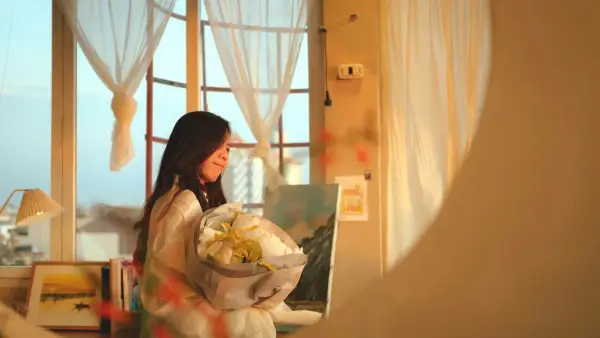
She is 57 and just realized she has never once bought herself flowers even though she buys them for every friend's birthday, every neighbor's surgery, every coworker's retirement - not because she does not love flowers but because a girl who watched her mother call fresh flowers 'a waste of good money on something that just dies' learned that beautiful things are purchased for other people, never for the woman buying them

She is 62 and just realized she has never once accepted a compliment without immediately deflecting it - 'oh, this old thing' about the dress, 'it was nothing' about the promotion, 'anyone would have done the same' about the sacrifice - not because she is modest but because a girl who was told 'don't get a big head' every time something went right learned that the only safe response to being seen was to make herself smaller before someone else did it for her
8 things people who always apologize before asking a question - who say 'sorry to bother you' before every request, who begin every email with 'sorry for the follow-up' and every conversation with 'sorry, do you have a second' - quietly reveal about themselves, according to psychology

8 things people who always volunteer to take the group photo instead of being in it - who say 'here, let me take it' before anyone asks, who have years of holiday gatherings and birthday celebrations where their face does not appear once - quietly reveal about themselves, according to psychology

8 things people who begin every sentence with the word 'just' - who write 'I just wanted to check' instead of 'I wanted to check,' who say 'I just think maybe' instead of 'I think,' who have spent their entire adult life turning a single word into an apology for the space their thoughts take up in a room - do without realizing it, according to psychology

Children who always organized their backpack the night before school - who laid their clothes out on the chair, sharpened every pencil, checked their homework twice, and stood at the front door fifteen minutes early with everything they could possibly need already zipped and ready - often become adults who cannot leave the house without a mental checklist so thorough it borders on ritual, because a child who learned that no one was coming to bring the forgotten permission slip or the missing lunch money built an entire operating system out of the certainty that rescue was not a service her household provided

Children who always made their bed before leaving the house even when nobody was home to see it - who straightened the cushions, wiped the counter, and closed every cabinet door before walking out into a day that had nothing to do with kitchen tidiness - often become adults who cannot leave any room without putting it back exactly the way they found it, not because they are neat or particular but because a child who grew up believing a messy room was evidence of a messy person learned that the only way to prove she deserved to exist in a space was to leave no evidence she had been there at all

She is 61 and just realized she has been ironing the clothes she wears underneath other clothes her entire life - the undershirt beneath the sweater, the slip beneath the dress, the socks folded into thirds inside shoes nobody will ever look inside - not because she is meticulous but because a girl who was told that how she presented herself was the only thing about her worth noticing learned that even the layers nobody sees must be in perfect order

She is 58 and just realized she has let everyone else at the table order before her at every restaurant for her entire life - not from politeness or indecision but because a girl who once expressed a want before the room was ready to hear it learned that the safest thing you can desire is whatever nobody else has claimed yet

Psychology says the person who always carries extra everything in her bag - extra tissues, a spare pen, a phone charger she never uses herself, a granola bar tucked into the side pocket for someone who might need it - is not exceptionally organized or anxious but someone who learned as a child that her place in any room was only as secure as her usefulness to the people in it
Self-Worth
8 things people who always wait for everyone at the table to start eating before they pick up their own fork - who scan every plate, who serve everyone else first, who will not touch their food until the entire room has been accounted for - do without realizing it, according to psychology
There is a particular kind of person who says 'sorry, can I ask you something?' before every question - who apologizes for needing directions, for asking if the seat beside them is taken, for wondering aloud whether the meeting time has changed - because a child who was told she asked too many questions and took up too much space and had too many needs learned that curiosity was only safe when it arrived already wearing an apology, and she has spent her entire adult life paying admission to conversations other people walk into for free
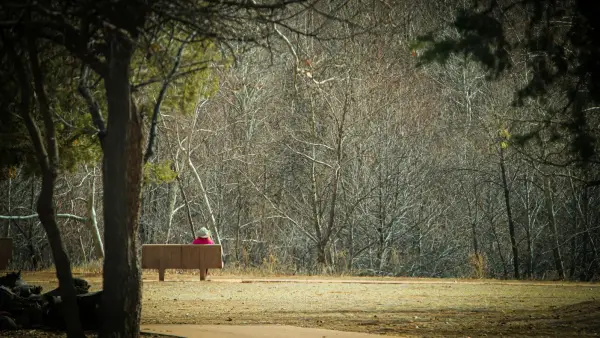
Psychology says the person everyone calls when something falls apart but nobody thinks to call when something wonderful happens - the one who always answers at 2am when a marriage is ending, who holds the room together when grief arrives and always knows the right thing to say, but whose phone never once lights up with 'I just got the best news and you were the first person I wanted to tell' - is not naturally stoic or self-sufficient but someone who became so reliable in other people's emergencies that the people who love them most simply forgot they might also want to be chosen for joy
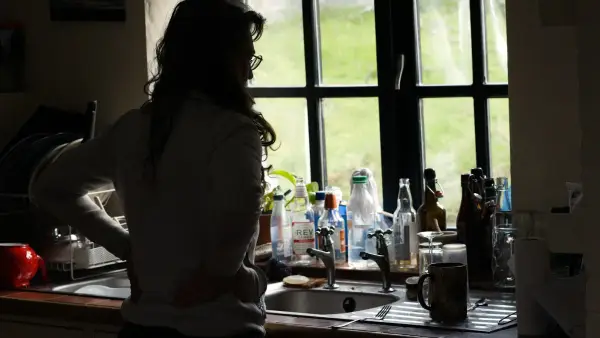
Children who always volunteered to clean up after the party while the other kids kept playing - who stacked chairs, collected cups, wiped tables without ever being asked - often become adults who cannot sit still at any gathering until every dish is washed, because a child who was only praised when she was useful never stopped believing she had to earn her right to simply be in the room

7 things people who always say 'I've got it' when someone offers to help - who wave away the hand, carry everything themselves, insist they are fine when their arms are visibly full - do without realizing it, according to psychology, because a child who learned that accepting help meant creating a debt she could never calculate decided the safest economy was one where she owed nothing to anyone

Psychology says people who apologize immediately when someone else bumps into them - the reflexive "sorry" that leaves your mouth before your brain even registers what happened, the automatic flinch of taking blame for a collision you did not cause - are not simply polite or overly considerate, they are people whose nervous systems learned before the age of ten that claiming fault preemptively was safer than waiting to be assigned it, because in the original household the person to blame was always the person who was in the way, and being in the way was the only crime that got punished consistently

8 things people who were always 'the easy child' - who never slammed doors, never talked back, never gave their parents a single reason to worry while their sibling absorbed every ounce of the family's emotional energy - do as adults without realizing it, according to psychology, because being easy was never a personality trait but a survival strategy adopted by a child who learned that her needs would only be met if she never had any

She's 61 and just realized she still uses her maiden name when making restaurant reservations - even though she has been married for thirty-seven years and signs everything else with her married name - because a girl who watched her mother disappear into the word 'Mrs.' learned that a name can be the first thing you lose and the last thing you notice is gone

Children who always took the middle seat without being asked - who reached for the smaller piece of cake, the broken crayon, the towel with the stain, who rearranged themselves so someone else could be more comfortable before anyone had time to notice they were uncomfortable - often become adults who cannot accept a compliment without deflecting it, cannot receive a gift without immediately calculating what they owe in return, and cannot sit in the better chair without a quiet guilt that hums in their chest like a frequency only they can hear, because a child who learned that her comfort was always negotiable never developed the belief that she was allowed to simply have the good thing

She's 59 and just realized she always puts the cheapest thing in her own cart but buys the brand name for everyone else in the family - the generic cereal for herself, the name-brand for the kids, the good coffee for her husband - because a girl whose mother always ate last and ate least learned that love was measured by what you were willing to go without, and going without became so reflexive that she never noticed she had been placing herself at the bottom of her own grocery list for thirty-five years

She's 60 and just realized she irons everything - every shirt, every pair of trousers, even the pillowcases and the dish towels that live in a drawer nobody ever opens - because her mother stood at the ironing board every Sunday evening pressing the family's clothes into order, and a girl who watched that learned the only way to deserve rest was to first eliminate every visible imperfection within reach

She's 64 and has finally stopped saying 'I should probably get going' at every gathering - stopped rehearsing her exit the moment she walked in, stopped calculating how long she was allowed to take up space before becoming a burden - because it took her six decades to understand that the people who invited her actually wanted her to stay, and the urgency to leave was never about being busy but about a girl who was never quite sure she had been wanted in the first place

Psychology says the woman who always takes the group photo but is never in it - who holds the camera at every birthday, every holiday, every vacation, whose face appears in exactly zero of the two thousand photographs documenting twenty years of her family's happiest moments - is not camera-shy or selfless, she is a girl who learned that the only safe place to stand was behind the lens, where she could preserve everyone else's joy without ever having to prove she deserved to be inside the frame

8 things people who always answer 'I'm fine' when they are clearly not fine - who smile through exhaustion, who show up for everyone else's emergencies and quietly cancel their own, who have not once in their adult life said the words 'I need help' without immediately following it with 'but it's not a big deal' - do without realizing it, according to psychology
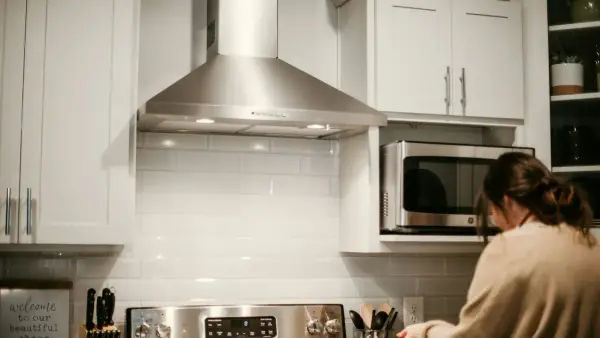
Children who always volunteered to clean up after the party - who stayed behind to stack chairs and wipe tables while the other children kept playing in the yard - often become adults who cannot leave any gathering without offering to help, because a child who discovered that usefulness was the most reliable form of belonging never learned to trust that she was wanted for anything besides what she could carry

8 things people who deflect every compliment they receive - who say 'oh, it was nothing' and 'I just got lucky' and 'honestly anyone could have done it' - do without realizing it, according to psychology, because a child who was taught that pride and arrogance were the same thing learned the safest response to being seen was to make yourself smaller before someone else did it for you

8 things people who grew up as 'the easy child' - the one who never caused problems, never needed anything, who was praised for being low-maintenance and self-sufficient, who made themselves small so everyone else could be big - do in adulthood, according to psychology

Psychology says people who say 'sorry' when someone else bumps into them - who apologize for existing in a space they have every right to occupy, who flinch and take the blame when a stranger's elbow catches their shoulder on a crowded sidewalk - aren't overly polite, they're people who learned before the age of ten that their physical presence in a room was something that required justification, and the apology that sounds like manners is really a child's negotiation for permission to take up space

Children who always said 'I don't mind' when asked what they wanted at restaurants, movies, or birthday parties often become adults who genuinely cannot answer the question 'what do you want' because the part of them that knew got quiet so long ago they forgot it was ever speaking
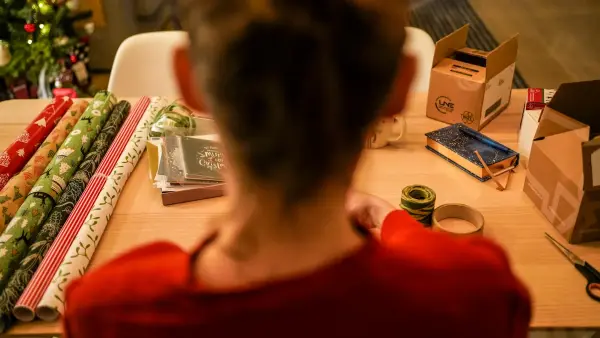
8 things people who always buy the cheapest version of everything for themselves but the most expensive version for everyone else - who wear shoes with holes in them and then spend three weeks choosing the perfect birthday gift, who eat leftovers standing at the sink and then cook a four-course meal when company arrives - do according to psychology, because a child who was told she was too much learned to spend herself on everyone except the person she could never believe deserved it

Children who always finished their food even when they didn't like it - who chewed through servings of things they hated because leaving food on the plate meant something in their house, who learned that the distance between 'I don't want this' and 'I'm ungrateful' was exactly one unfinished dinner - often become adults who have trouble saying no to anything they have been given, because a child who learned that refusing a plate was the same as refusing the person who prepared it never developed a framework for wanting something different without meaning something cruel
8 things people who can express their deepest feelings in writing but cannot produce the same words out loud tend to have in common, according to psychology - they type I love you fluently but lose the entire sentence the moment a person is standing in front of them
8 things people who say 'oh, I was just...' every time someone walks into the room do, according to psychology - the child who learned that existing without a visible purpose attracted questions built a life narrating herself before anyone else could question what she was doing there

There are women who take every miniature bottle from every hotel bathroom they have ever stayed in - who line them up in a drawer at home, never open them, never use them, but cannot bring themselves to leave a single one behind - not because they are frugal or wasteful but because a girl who grew up in a house where the soap was always the cheapest brand on the lowest shelf discovered at nineteen that there were tiny bottles designed for a person who mattered enough to have things placed where she would find them, and the woman at fifty-five with a drawer full of unopened hotel lotions is not hoarding but collecting evidence of every time she was, briefly, the person someone had prepared for

8 things people who always volunteer to take the group photo instead of being in it - who have been present for hundreds of moments and visible in none of the pictures - do according to psychology, because a child who learned that taking up space meant taking it from someone who deserved it more found that the safest place to exist was behind the lens, where you could hold the moment for everyone else without ever having to prove you belonged in it

There are women who always have a tissue in every pocket of every coat and in the side pocket of every handbag and tucked into the glove compartment - not because they are practical or prepared but because a girl who once cried in a school bathroom with nothing to wipe her face but a sleeve she had to wear for the rest of the day decided she would never again be caught without the one small thing that turns a visible crisis into a private one

There are women who have never once walked into a hair salon and said what they actually wanted - who have spent thirty years saying 'just a trim' or 'whatever you think' or 'I trust you' - because a girl who asked for something specific once and watched her mother shake her head at the mirror learned that wanting to look a certain way was the same as admitting she was not enough as she was, and the woman at fifty-four who sits in the chair and says 'just clean it up' is not easygoing but a daughter still protecting herself from the specific silence that falls when a woman says out loud that she wants to be beautiful

Children who were always chosen last for teams in gym class - who stood against the wall watching the count dwindle, who arranged their face into an expression that said this does not bother me before the humiliation arrived, who learned to calculate which captain would be forced to take them - often become adults who never put themselves forward for anything unless they are already certain they will be wanted, because a child whose body was publicly ranked as least desirable learned that desire itself is only safe when it has already been answered
There are women who say 'I don't need anything for my birthday' and mean it so completely that their family takes them at their word, and nobody sees the way her face rearranges itself for one second when the day passes with nothing - not because she wanted a gift but because a girl who learned to want nothing trained the room to believe her, and the woman at fifty-four who truly does not need anything still has not solved the math of how to be seen by people she taught to stop looking

Children who always wrote the thank-you notes - who sat at the kitchen table after every birthday party, every Christmas morning, every small gift from a distant relative, and composed words of gratitude they were not entirely sure they felt, in handwriting they were not entirely sure was neat enough, for people they were not entirely sure would read them - often become adults who cannot receive a compliment without immediately deflecting it, because a girl who was trained to acknowledge every kindness as a debt learned that receiving anything without performing gratitude first was the same as taking something that was never meant to be free

She is 52 and has just realized that every time someone in her life is upset, she immediately assumes it is about her - not because she is self-centered but because a girl who grew up in a house where someone's bad mood was always eventually traced back to something she had done or failed to do learned that every emotional disturbance in a room has her name somewhere in the footnotes, and the woman who cannot sit with someone else's unhappiness without first running a mental inventory of everything she might have said or forgotten is not paranoid but the daughter of a household where mood was never just weather, it was always a verdict

Children who were always told 'you're so independent' - who heard adults marvel at how little they needed, how they could handle anything alone, how they never asked for help with a single thing - often become adults who cannot call a friend at two in the morning and say 'I am not okay,' because a child who was celebrated for needing nothing learned that the fastest way to lose the one thing people admired about her was to need something
Girls who were assigned the job of tracking everyone's comfort before they were old enough to track their own often become women who can tell you every medication schedule, every shoe size, every food allergy in the house - but feel a genuine blankness when someone asks what they need

She's 56 and has just realized that every compliment she has ever received she immediately returned or deflected - 'you look great' met with 'oh stop' or 'this old thing' or a laugh that drains the words before they can settle - not because she is modest but because a girl whose mother said 'don't get a big head' every time something good happened learned that holding a kind word without handing it back was the same as asking to be cut down to size
Children who always said 'I don't care' when something they wanted was taken away - who learned to make their face go flat before the disappointment could register, who practiced indifference the way other children practiced piano - often become adults who genuinely cannot answer the question 'what do you want' because the girl who buried her desires to survive a house where wanting things made you a target never learned it was safe to dig them back up

He is 58 and has just realized that he has never once introduced himself with just his name - that at his daughter's school he was 'Katie's dad,' at the company retreat he was his job title, at the hospital he was his wife's husband - and that somewhere in fifty-eight years a boy who watched his father become visible only when the word 'foreman' followed his name learned that a man without a title was a man without a reason to be in the room

Psychology says women who apologize when someone else bumps into them - who say 'sorry' when a stranger's cart clips their ankle, 'sorry' when someone reaches across them, 'sorry' when they are standing in a space they have every right to occupy - are not polite and are not awkward, they are women who learned as girls that their physical presence in a room was something that needed to be excused, and the 'sorry' at fifty is not a reflex but a body still asking permission to take up the space it is already standing in
Women who have worn the same perfume for thirty years are not creatures of habit - they chose it at twenty-two, when they still made decisions based on what they wanted rather than what the room would approve of, and the bottle at fifty-three is the last surviving artifact of a woman who used to choose things without checking first

9 things people who always apologize before asking for something - who say 'sorry to bother you' before the simplest request, who preface every need with a disclaimer that they know it is too much - reveal about what their childhood taught them about taking up space, according to psychology
There are women who delete the text before sending it - who type exactly what they feel, read it once, and erase every word - not because they have nothing to say but because a girl who said what she meant and watched the room go quiet learned the safest version of herself was the one who never sent the first draft

Psychology says women who describe themselves as 'not a creative person' - who say it with the same flat certainty they would use to state their shoe size, as if creativity were a trait measured once in childhood and found missing - are not honestly assessing an absent talent but repeating a verdict someone delivered before they were twelve, and the woman at fifty-four who has not picked up a paintbrush or written a poem or arranged flowers without apologizing for the result in over forty years is not uncreative but still the girl who showed someone what she made and learned that making something visible was the fastest way to be corrected

Psychology says people who cannot accept a compliment without immediately deflecting it - who respond to 'you look wonderful' with 'oh stop' and meet every praise with a correction, a laugh, or a redirect - are not humble and are not fishing for more, they are people whose childhood taught them that accepting something good was always the first line of a conversation where someone would explain why they did not actually deserve it, and the deflection at forty-four is not modesty but a reflex the body still runs to keep the good thing from being taken back

7 things people who have never once sent food back at a restaurant - who eat the wrong order, the cold plate, the meal they did not ask for without saying a single word to the server - reveal about their childhood, according to psychology, and the one therapists find most telling is that the woman at fifty-one who quietly eats a steak she ordered medium and received well-done is not easygoing or low-maintenance, she is a child who learned before eight that her needs expressed out loud created a disruption someone would make her pay for later

Children who were always told 'you're fine' when they were crying - whose tears were met not with cruelty but with cheerful dismissal and a quick 'get up, you're okay' - often become adults who genuinely cannot tell the difference between being fine and performing fine, and the woman sobbing in her car at forty-seven over nothing she can name is not having a breakdown but the first honest feeling her body has expressed in decades
7 things people who always say 'you decide' when asked to choose a restaurant, a movie, or what to have for dinner reveal about their childhood, according to psychology - and the one therapists notice first is that the person at forty-six who genuinely cannot name what they want for dinner is not indecisive but a child who learned that having a preference was the fastest way to be told it was wrong
7 things people who cannot eat the last piece of food on a shared plate reveal about their childhood, according to psychology - and the one therapists find most telling is that the person who insists 'no, you take it' at forty-six is not being generous but is still the child who learned that taking the last of anything was the fastest way to be called selfish in a house where there was never quite enough and wanting was something you did quietly or not at all

She is 56 and has realized she has never once sat in the front row of anything - not a lecture, not a concert, not a work meeting, not even her own daughter's school play - not because she prefers the view from the back or values a quick exit but because a girl whose visibility always attracted correction learned before twelve that the safest place in any room was the one where she could see everyone without anyone looking directly at her, and the back row at fifty-six is not humility but the last surviving architecture of a girl who was taught that being noticed was always the first step toward being told she was wrong

He's 61 and has finally noticed he cannot sit through a single evening without getting up to check the locks, the stove, and the porch light - not because he's anxious but because a boy who was the oldest of four in a house where nobody else was paying attention learned before ten that rest was something you earned by making sure every person you loved was accounted for
Children who were always told they were 'too sensitive' - who heard 'stop crying,' 'you're overreacting,' and 'why do you let everything bother you' so often that the words became architecture - often become adults who apologize before every honest feeling, who say 'I know this is stupid, but' before anything real leaves their mouth, because a girl whose tears were treated as an inconvenience learned before second grade that the price of having an inner life was making sure nobody ever had to see it
He's 59 and recently noticed he eats dinner standing at the kitchen counter when he's alone, not because he's in a rush but because sitting down at an empty table and making a proper meal felt like something he was never taught he deserved when nobody was watching

Children who always apologized first after every argument - who said sorry before anyone else had a chance to, who took responsibility for fights they did not start and absorbed blame the way other children absorbed praise - often become adults who open every disagreement by conceding the point before they have even made it, because a girl who learned that the fastest way to end a storm was to claim she caused it never discovered there was a version of conflict where she was allowed to be right
Children who always said 'it is fine' before anyone asked whether it was - who volunteered the reassurance before the question could even form, who walked into rooms already broadcasting that nothing was wrong and nothing was needed and nobody had to adjust anything on their account - often become adults who open every difficult conversation with 'I do not want to make this a big deal' because a child who learned that her feelings were the most expensive thing in any room never stopped trying to make herself cheaper to love
Self-Worth
Children who were corrected on how they described things - who were told 'that is not what you mean' or 'say it properly' or 'you are not making any sense' when they were making perfect sense in the only language an eight-year-old has - often become adults who end every explanation with 'does that make sense?' not because they doubt their logic but because a child whose way of saying things was always treated as slightly wrong never stopped asking the room for permission to have been understood
She's 62 and when someone asks about her life, the first thing she mentions is what her children do for a living - not because she isn't proud of her own thirty years of work, but because a girl who was taught that a woman's value was measured by what she produced for others never learned to answer 'tell me about yourself' without presenting someone else's credentials first

He is 63 and has finally admitted that the reason he always insists on carrying every bag from the car in a single trip has nothing to do with efficiency - it is the last surviving performance of a boy who learned that a man's value was measured in what he could carry without setting anything down, and the heaviness was never the groceries but the forty-year belief that needing a second trip meant admitting he was not enough

She is 59 and has just realized she has worn the same hairstyle for thirty-one years - not because she likes it or because it suits her but because twenty-eight was the last age at which someone looked at her and she believed it meant something, and the woman in the mirror has been trying to stay visible to a version of herself that disappeared the year she stopped being looked at
Children who grew up eating dinner at a different time every night - who never knew if the kitchen would be warm or cold, if the table would be set or bare, if supper meant six o'clock or nine or sometimes not at all - often become adults who eat at exactly the same time every single day, who feel a quiet tide of panic when a meal runs late, and who have spent their entire lives building the structure that a seven-year-old promised herself she would create the moment the house belonged to her

She's 58 and has quietly realized she has never once arrived anywhere empty-handed - not to a dinner party, not to a hospital visit, not to coffee with a friend she has known for thirty years - and it was never generosity, it was a girl who learned early that her presence alone was never quite enough to justify the space she took up, so she has spent a lifetime bringing something to exchange for permission to be there

Children who were always called 'the easy one' in the family - the ones who never caused problems, never asked for much, never had a meltdown in a grocery store - often become adults who genuinely do not know how to ask for help, not because they are self-sufficient but because they learned at six that the fastest way to be loved was to make sure nobody ever had to worry about them
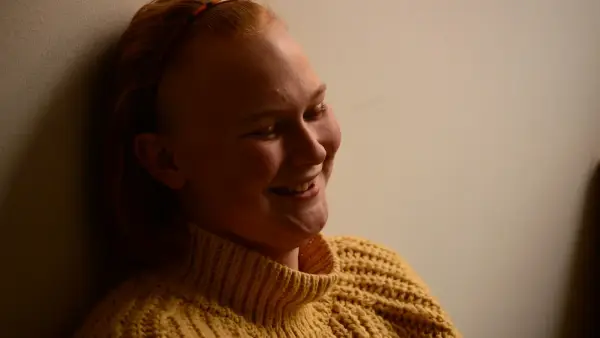
Psychology says women over fifty who still hold their stomach in the moment someone raises a camera - who straighten and arrange themselves in the half-second between hearing 'smile' and hearing the shutter - are not vain or insecure, they are the last generation of girls who were taught that a woman's body was a presentation before it was a home, and the held breath at fifty-five is not about the photograph but about the girl who learned that the most dangerous thing her body could do was relax where anyone might see it
8 things that quietly happen to people who cannot sit in a quiet room without finding something to fold, wipe, or straighten - not because they are naturally tidy but because a child who grew up watching her mother measure her value by the state of the house learned that an idle body was an undeserving body, and the hands at fifty-three that reach for the dish towel the moment they sit down are not restless but rehearsing the only proof of worth they were ever taught, according to psychology
Self-Worth
8 things that quietly happen to people who always ask 'did I already tell you this' before sharing anything - not because their memory is failing but because a child whose stories were interrupted or met with impatience learned that every sentence they speak might be one sentence too many, and the question at fifty is not about repetition but about whether their voice is still welcome in the room, according to psychology

She's 57 and has noticed she cannot leave the house without making the bed even when she lives alone and no one will ever see it, not because she is disciplined or naturally neat but because a girl who grew up in a home where an unmade bed meant something was wrong with the woman who slept in it learned that the first thing you do every morning is prove to an empty room that you are still holding everything together
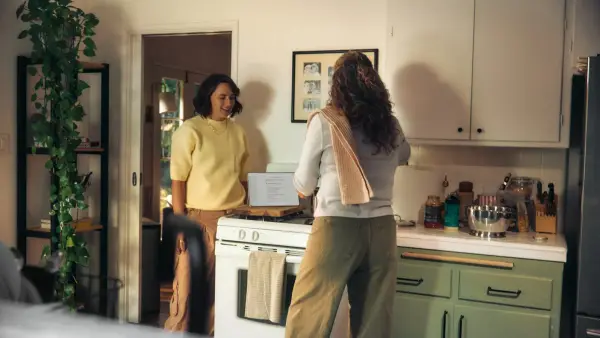
Children who watched their mother eat last at every meal - whose plate went cold while she refilled glasses and fetched the thing nobody asked for but she already knew they needed - often become women who cannot sit down at their own table until every person has been served, and the woman standing in the kitchen at fifty-three with a plate she has not touched is not being generous, she is a girl who learned that a woman's hunger was the least important thing in any room she was feeding
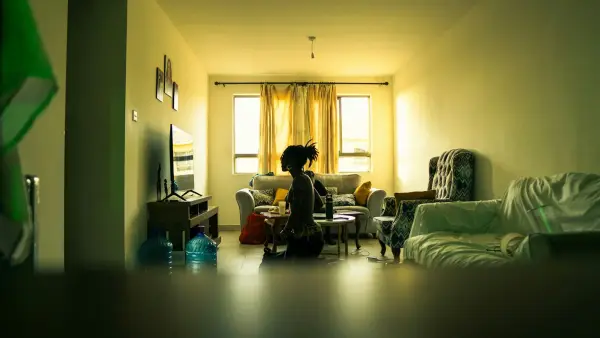
People who grew up being told they were 'no trouble at all' - the easy child, the one who never complained, never asked twice, never made a scene - often become adults who feel genuinely invisible the moment they stop being useful, because a child who was praised for needing nothing never learned that taking up space in someone's life was something they were allowed to do without earning it first

She's 52 and has finally noticed that she says 'sorry' before almost every sentence she speaks to someone she did not raise - sorry to bother you, sorry is this a bad time, sorry I know this is probably a silly question - and it is not politeness, it is a girl who was taught that her needs were an inconvenience rehearsing an apology her body memorized forty years ago for the crime of needing something out loud

Psychology says women over fifty who suddenly cannot stop decluttering their homes are not having a midlife crisis or becoming minimalists - they are physically dismantling the evidence of decades spent curating a life designed around everyone else's comfort, and every bag carried to the donation center is a quiet act of reclaiming the only space they have left that might still become their own

Psychology says men who cannot sit still on a Saturday morning without finding something to fix, build, or organize are not avoiding their families or running from their own thoughts - they are men who grew up in homes where a father's worth was measured entirely by what he could produce, and the restlessness they carry at fifty-five is a boy who was never once told that his presence in the room, without a purpose attached, was enough

8 things that quietly happen to people who became the family photographer - the one always behind the camera at every holiday, every birthday, every graduation - because a child who learned that the safest way to belong in a room was to make themselves useful to it grew up with proof that everyone else was present and almost no evidence they were ever there, according to psychology
7 things that quietly happen to people who always say 'sorry, go ahead' the instant they start talking at the same time as someone else - because a child who was talked over enough times learned that their voice was the one the room could do without, and by forty-five the reflex to yield is not politeness but the echo of a child who stopped believing their sentence was worth finishing, according to psychology

She's 61 and has finally understood that the reason she apologizes to the doctor, the plumber, and the waiter before describing what she actually needs - 'I'm sorry, I know this is probably nothing, but' - is not politeness, it is fifty-five years of a girl who learned at six that her needs were an inconvenience the household had to accommodate, and the apology she offers before every request is still the entrance fee her nervous system charges her just to take up space
Children who were always told to share - their toys, their food, their room, their time - before anyone asked whether they wanted to often become adults who feel a flash of guilt every time they keep something for themselves, because a child who was taught that giving was the price of love never learned that having boundaries was not the same as being selfish

Psychology says people who answer 'I don't care, you pick' every single time they are asked to choose a restaurant, a movie, or what to have for dinner are not easygoing and they are not flexible - they were children who learned that stating a preference out loud was an invitation to be overruled, and by fifty their actual wants have been so thoroughly buried that they genuinely cannot tell the difference between not minding and not knowing

She's 58 and does everything herself - cuts her own hair, changes her own tires, fixed the leaking faucet from a YouTube tutorial at 1 a.m. - and the fierce independence that everyone admires is not strength, it is a fortress built by a woman who asked for help once at twenty-three and the cost of that help was so high she decided on the spot that needing anyone was the most expensive thing she could ever do

Children who grew up being the friend everyone told their secrets to - the one trusted with the confession no one could say at home, the pregnancy scare, the family fight, the thing whispered on the bus ride home that was never supposed to leave - often become adults who carry everyone else's weight with an ease that impresses people but cannot understand why no one ever thinks to ask how they are doing, because a child who became the vault was never shown that being trusted and being cared for were two entirely different experiences
Children who grew up constantly compared to a sibling - hearing 'why can't you be more like your brother' at the dinner table, during report card season, in every room where they fell short of a standard they never agreed to - often become adults who can celebrate everyone else's success with full sincerity but feel strangely hollow when their own arrives, because achievement was never allowed to be personal, it was always relative

8 things that quietly happen to people who apologize for existing in their own home - the ones who say sorry for leaving a book on the couch, sorry for running the bath too late, sorry for wanting the light on to read - because a child whose needs were treated as impositions grew up into an adult who still pays rent on space she already owns, according to psychology

Psychology says women who keep apologizing for crying are not being weak or dramatic - they were girls who learned very early that their tears made the room uncomfortable, and the 'sorry, sorry' they whisper while wiping their eyes at forty-seven is not an apology for the emotion but for the inconvenience of being a person who still feels things in a world that trained her to believe feelings were a problem she was supposed to have solved by now
The woman who buys the expensive candle as a gift but burns the cheap one at home, who serves guests on the good plates but eats alone standing at the counter - this is not generosity, it is a girl who learned so early that the nice things were for other people that by fifty-five she cannot sit at her own table and believe she is worth the effort
There are women in their fifties who stopped coloring their gray hair and discovered that the silver was not what frightened them - what frightened them was how many people in their life had been more comfortable with the performance of youth than with the woman who had been underneath it the entire time, and the ones who stayed after the roots came in were the ones who had always been seeing her
She's 63 and has realized the reason she schedules every hour of her retirement with classes, committees, and errands is not purpose - it is that she was taught at six years old that a girl sitting still was a girl about to be given something to do, and sixty years later her body still does not believe it is allowed to stop

He's 55 and has finally realized that the reason he cannot accept help from his wife, his children, or the people who love him most is not pride and it is not stubbornness - it is that the first time he asked for help as a boy, the response taught him that needing someone was the fastest way to become a burden, and he has spent forty years making absolutely sure that nobody has ever had to carry him
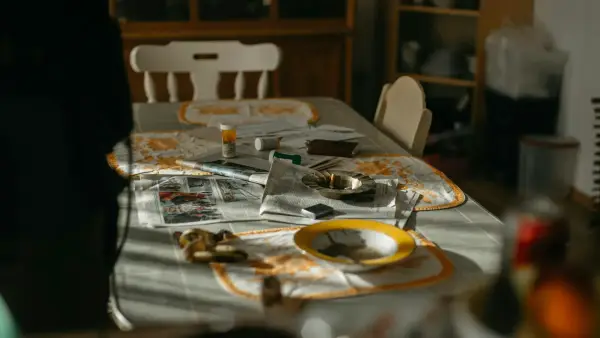
She's 60 and has realized she has never once in her life been the first person to sit down at her own dinner table - she has spent forty years serving plates, pouring drinks, fetching the forgotten napkin, going back for the salt, and by the time she finally sits the conversation is already underway and nobody notices she has arrived, because they never noticed she was missing, and the meal she made with her own hands is the one she always eats cold

9 things that quietly change in people who grew up being constantly compared to other children - the cousin who behaved, the neighbor's kid who got straight A's, the sibling who never caused trouble - because a child who was measured against everyone else never learned how to be enough on their own terms, and the scoreboard they built in their head never stopped running, according to psychology

Children who were always told 'you should be grateful' whenever they expressed disappointment or wanted something they did not have often become adults who cannot name a single desire without immediately feeling selfish, because a child who learned that their unhappiness was an insult to their parents' effort grew into a person whose wants always arrive with guilt already attached, like a price tag nobody else can see

Children who always asked 'are you sure?' when someone offered them something - a ride home, a second helping, an invitation they had not earned - often become adults who cannot accept kindness without checking that it is real, because they grew up in homes where generosity was a door that could close without warning and the safest thing to do with any offering was to make sure the person meant it before you let yourself want it

9 things that quietly happen to people who cannot receive a gift without immediately calculating what they owe in return - not because they are ungrateful but because they grew up in houses where every act of kindness came with a cost attached and their nervous system still treats generosity as the opening move of a debt they will be asked to repay, according to psychology
8 things that quietly change in people who grew up being corrected on everything - how they pronounced words, how they held their fork, how they stood in photographs - because a child who was adjusted before they were accepted learned that their natural state was always slightly wrong, according to psychology
Psychology says women who feel a wave of guilt on the rare afternoon when nothing needs doing are not lazy - they are women who grew up in houses where a girl sitting still was a girl not earning her place, and the restlessness they carry at fifty-five when the house is empty and no one needs anything is a lifetime of a nervous system that never received the message that her presence alone, without productivity attached, was enough
There is a kind of person who cannot receive a gift without immediately calculating what they owe in return - not because they are ungrateful or transactional but because they grew up in a house where every kindness had a ledger, every favor was a deposit against a future withdrawal, and the most dangerous thing a child could be was indebted to someone whose warmth came with conditions nobody was allowed to read aloud
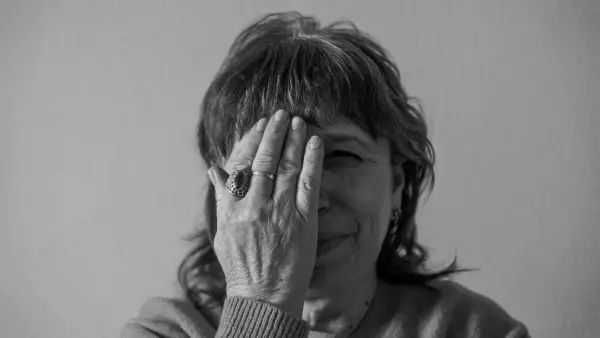
She's 61 and finally understood the reason she apologizes every time she cries - it's not embarrassment, it's the girl who was told her tears were an inconvenience
She's 54 and has quietly realized that the reason her phone only rings when someone needs something - a ride, advice, help with their mother, someone to listen at midnight - is not because she attracts needy people, it is because she spent thirty years building a life where the only version of herself anyone was allowed to see was the useful one, and the woman everyone calls 'the strong one' has never once been asked how she is doing by someone who actually waited for the answer

Psychology says people who automatically say 'sorry' when someone else bumps into them - who apologize for existing in a doorway, for taking up space in a grocery aisle, for asking a question at work - are not polite, they are people who learned as children that their physical presence was always slightly inconvenient, and the apology they carry at forty is a body still negotiating for permission to stand where it is

There is a specific kind of child in every family who never asks for anything - not because they don't want things but because they watched what happened when their sibling had needs and made a quiet, devastating calculation at age six that the safest way to be loved in this house was to never require any of it
There is a kind of woman who reaches fifty-five and realizes she has spent three decades being easy to be around - choosing restaurants other people liked, watching shows other people wanted, laughing at timing that made other people comfortable - and she cannot name a single thing she would choose if the room were empty and the only opinion that mattered were hers
He's 57 and has quietly realized that the reason he tells everyone he's 'keeping busy' after retirement isn't contentment - it is a man who spent forty years proving he was worth the space he occupied through what he produced, and the busyness everyone calls healthy is the only vocabulary left for a man who never learned another way to say 'I still matter'
She's 49 and has just realized the reason she cannot sit through a single Sunday afternoon without finding something to clean, organize, or fix is not discipline - it is a girl who learned at eight that her worth lived entirely in what she produced, and the woman everyone calls 'a doer' was built by a child who was never once told she was enough without the doing

Psychology says women who laugh immediately after saying something honest - who follow every sincere sentence with 'I'm just kidding' or 'sorry, that got too deep' - are not lacking confidence, they were raised in environments where their sincerity changed the temperature of the room, and the laugh is not a nervous habit but a retraction they learned to perform before anyone could punish them for meaning what they said

Children who were praised for being quiet become women who cannot raise their voice even in their own defense, because the first rule they learned about being loved was that the less space they took up the safer the love became

She's 57 and has just realized that every compliment she has ever received she has immediately redistributed - 'oh, it was nothing,' 'the team did all the work,' 'I just got lucky' - not because she is modest but because a girl who was told at ten that bragging was the ugliest thing a woman could do learned to treat every good thing about herself as something that needed to be given away before anyone could accuse her of keeping it
She's 51 and has quietly realized she doesn't know what she actually wants - not for dinner, not for her birthday, not for her life - because she spent thirty years editing her desires down to whatever was easiest for everyone else and called it being easygoing

There is a kind of woman who rearranges the kitchen when she is falling apart, who scrubs the counters at midnight and folds laundry during the worst conversation of her marriage and reorganizes the pantry the morning after a diagnosis, because she learned before she was ten that if the house looked calm then everything might actually be okay, and she is fifty-six and has never once sat down in the middle of her own crisis

8 things that quietly change when someone finally stops measuring their life against where they thought they'd be by now, according to psychology - the scorecard they've been carrying since their twenties doesn't disappear, it just stops being the first thing they check every morning

There are people who cannot accept a seat someone offered to give up for them on the bus or the train, who wave away the gesture and stand gripping the rail even when their knees ache, and it is not politeness and it is not toughness - it is a body that learned very young that taking what someone freely offered was the beginning of owing, and the standing they do at fifty-five is not strength but the quiet cost of someone who never learned to receive without scanning for the price

He's 59 and has quietly realized that every career decision he ever made was an audition for a version of manhood his father never once described out loud but his body absorbed anyway, and the retirement everyone keeps congratulating him for is not freedom but the first morning in forty years where he has to decide what he would have chosen if nobody had been watching
8 things that quietly happen to people who never arrive anywhere without a gift, a bottle of wine, or something they baked that morning - because somewhere a child learned that their presence alone was never quite enough to justify being in a room, and by forty-five the thing in their hand is still the price their nervous system charges them just to walk through a door, according to psychology
Children who were always told 'you should be grateful' whenever they expressed a need often become adults who cannot ask for anything without immediately apologizing for wanting it, because gratitude became the first language they ever learned for making their own needs disappear

8 things that quietly happen to people who deflect every thank you with 'it was nothing,' because the reflex to minimize what you gave started the year a child learned their effort was expected rather than remarkable, and by forty the habit of erasing your own contribution feels so natural you have forgotten it was something you taught yourself, according to psychology
People who grew up as the middle child in families with three or more children often become adults who can read what everyone in the room needs but cannot answer the simplest question about their own preferences, because a child who arrived after the firstborn had claimed the attention and before the youngest had inherited the tenderness learned that the safest form of belonging was to take up as little space as possible, and by forty-five they have built an entire life of making room for other people inside a self they never fully furnished
Children who learned that the fastest way to make an anxious parent feel better was to perform being fine often grow into adults who cannot say they are having a hard week without immediately walking the sentence back in the same breath, because the performance of fine began as a gift they gave someone they loved and over forty years it became the only voice they know how to speak in their own living room

She's 58 and has quietly realized the reason she couldn't answer when her granddaughter asked what she does for fun is that she spent forty years turning every hobby into something productive, something she could defend to the family if anyone asked, and somewhere along the way she forgot the difference between liking a thing and being useful at it
There is a particular loneliness that belongs to the friend everyone calls during their worst week but nobody calls on an ordinary Tuesday, because somewhere in childhood you learned that being needed was a safer road to love than being wanted, and you have been quietly confusing the two ever since

Psychology says people who insist on doing everything themselves and refuse to ask anyone for help are not stubborn and they are not proud, they were children who discovered early that every favor came with a hidden cost and every kindness had conditions printed in ink only they could read, and the only truly safe person to depend on was the one looking back from the mirror

There is a particular kind of woman who spent her entire childhood being told she was "too much" - too loud, too emotional, too intense, too opinionated, too everything - and then spent the next four decades quietly shrinking herself into rooms that were never going to have space for her anyway, and she is only now, at fifty-five, beginning to suspect that the problem was never her size but the room
She's 59 and has finally admitted to herself that the thing her mother always called "being a good girl" - the patience, the cheerful compliance, the way she never once made a scene even when she had every right to - was never a personality trait at all, it was a performance she began at four years old because her mother's mood was the weather, and the woman everyone has always called "such a delight" has spent fifty-five years performing a little girl nobody remembers asking her to become

Psychology says women who slowly stopped enjoying the things they used to love aren't necessarily depressed - they spent so many years putting everyone else's needs first that their brain quietly stopped expecting pleasure for itself, and it's not a disorder but a form of emotional exhaustion that looks exactly like giving up
She's 54 and has quietly realized that the reason she is exhausted has nothing to do with her job or her children or her marriage - it's that she has spent thirty years walking into every room and immediately calculating what everyone else needs while never once asking the room to make space for her
Psychology says people who can't accept a compliment aren't being modest - they're people whose earliest experience of praise came with conditions attached, and their nervous system still treats kindness like the opening line of a transaction

Psychology says women who were always called "the strong one" in their family weren't actually stronger than anyone else - they were the ones who learned earliest that falling apart wasn't something anyone around them was going to allow
She's 58 and just realized she never actually had hobbies - she had ways of being useful, and the moment she stopped being needed she didn't know what to do with her own hands
Psychology says people who struggle to say no aren't weak - they were trained to put everyone else first