Psychology
Research, reframes, and the science behind the way we think and behave.

Psychology says the person who always turns the radio down when they're looking for an address isn't being silly - their nervous system learned long ago that when something important needs to be found, you have to silence everything else first, and that lesson usually started in childhood
Psychology says the person who always remembers exactly what they were wearing during important moments - who can tell you the shirt they had on the first day of a new school, the dress at their mother's funeral, the color of their socks the morning they got the phone call that changed everything - is not unusually sentimental or stuck in the past, they are someone whose nervous system learned to anchor overwhelming emotions to the most controllable detail in the room, because a child who could not control what was happening could at least remember what she was wearing when it did

Psychology says the person who always says 'I was just about to say that' when someone else voices the exact thought they had been quietly holding - who loses the credit for their own insight because they waited one beat too long to speak it, who watches their ideas arrive in someone else's mouth three minutes after they first formed the words but did not release them - is not slow or unassertive, they are someone who learned in childhood that speaking first in a room full of adults was the fastest way to be corrected, and the habit of holding a thought until someone else validates it by saying it aloud was never hesitancy but the only form of quality control their nervous system ever trusted

7 things people who apologize to objects they bump into - who say 'sorry' to a chair, 'excuse me' to a door, who feel a genuine pang of guilt when they place a stuffed animal face-down on the shelf - do without realizing it, according to psychology, because a child who was taught that everything she touched carried the weight of someone else's feelings never learned where the boundary is between hurting a person and bumping into a table

Children who always saved their favorite food for last on the plate - who ate the vegetables first, then the potatoes, then the bread, working through everything they liked least before allowing themselves the one thing they actually wanted - often become adults who cannot start with joy, who finish every task they dread before permitting themselves the thing they love, because a child who learned that pleasure had to be earned by first completing what was expected never developed the belief that she was allowed to begin with the thing that made her happy
Psychology says the person who remembers everyone's coffee order, every dietary restriction, every birthday anyone ever mentioned once in a passing conversation three years ago - who keeps a running catalog of preferences so detailed it startles the people she loves - is not simply thoughtful, she is someone whose childhood required her to track every shifting mood and unspoken preference in the house to know whether the evening would be safe, and the extraordinary memory was never a gift but a surveillance system that learned to disguise itself as love

Children who always colored inside the lines - who pressed gently with every crayon, who never let a single stroke cross the border, who took twice as long as every other child because precision was the only language that earned approval - often become adults who cannot start anything without a plan, because a child who learned that the border between acceptable and unacceptable was exactly one crayon-width wide never stopped believing that control and safety were the same thing
8 things people who count everything - the stairs as they climb them, the ceiling tiles in a waiting room, the cars in the parking lot, the number of people at a table before sitting down - do according to psychology, because a child who grew up in an environment where things could disappear without warning built a monitoring system that was never about arithmetic but about making sure the world still had everything it had five minutes ago

8 things people who have never been able to walk past a beautiful stone without picking it up - who fill their jacket pockets with smooth flat rocks from every beach, who line their windowsills with pebbles from places they can name but will never visit again, who reach for a stone the way other people reach for a photograph - do according to psychology, because a child who learned that the best moments in life leave no evidence unless you carry something home in your hand built a collection that was never about geology but about proving to herself that the beauty was real
Psychology
Children who were only photographed when they were performing - on stage, crossing a finish line, holding a certificate - who have hundreds of images of themselves in motion and almost none of them simply sitting still, often become adults who cannot rest without producing something visible, because the camera taught them the first lesson about their own worth
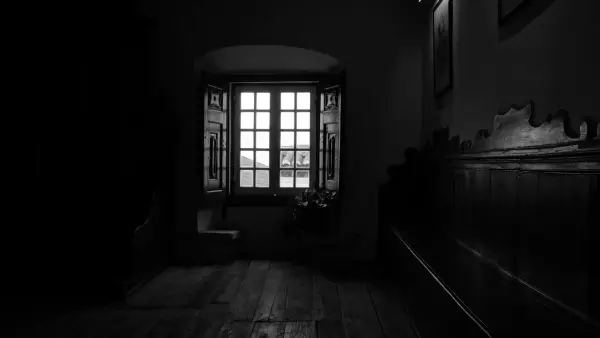
8 things people who can still draw the floor plan of every house they have ever lived in - who remember which wall the couch sat against, which corner caught the morning light, which step on the staircase creaked at two in the morning - do according to psychology, because a child who memorized every room in the dark was never memorizing architecture but escape routes

There are people who taught themselves to swim - who stood at the edge of a pool or a lake for an entire summer watching other children jump in without thinking, who practiced holding their breath in the bathtub, who figured out floating and kicking and breathing alone because no one signed them up for lessons and they could not bring themselves to admit they did not know how - and the confidence that built is different from any other kind, because a skill nobody gave you is the only one the world can never take back

8 things people who always wash new clothes before wearing them - who run every new shirt, every pair of pants, every set of sheets straight from the store through a full wash cycle before it touches their skin - do according to psychology, because a child who grew up wearing clothes that were always someone else's first learned that nothing from the outside world was safe until it had been through her mother's hands
8 things people who label everything in their house - every shelf in the pantry, every container in the freezer, every folder in the filing cabinet, every bin in the garage, every drawer in the kitchen with a small strip of tape that says exactly what belongs inside - do according to psychology, because a child who grew up in a home where nothing was where it was supposed to be and the search for a missing thing could change the temperature of the entire evening learned that the only way to prevent something from disappearing was to give it a name and a place, and the woman at fifty-three with a label maker is not organized but still building the only world where nothing gets lost
There are people who only realize how much something meant to them after it is already gone - who spend the entire dinner thinking about the parking meter, the entire vacation calculating whether they can afford it, the entire friendship managing logistics instead of feeling it - and only discover, in the first quiet week after it ends, that the thing they were so busy managing was the thing they wanted most, because a child who was never allowed to enjoy something without simultaneously preparing for its loss learned that the safest time to feel is when the feeling can no longer cost you anything

8 things people who always place their phone face-down on every table - who turn the screen against the surface before sitting down, who feel a wave of unease when a notification lights up where someone might see it - do according to psychology, because a child whose private things were never private learned that the only way to own something was to make sure nobody could see it
Children who watched the clock during family dinners - who knew that a meal under twenty minutes meant nobody had anything to say to each other and a meal past forty meant someone had said too much - often become adults who time every shared meal, every meeting, every conversation against an internal clock that was never measuring minutes but measuring how long before the warmth in the room turned

Psychology says people who remember every word of a song they haven't heard in twenty years but cannot remember why they walked into the kitchen are not losing their memory - their brain was built to archive emotional information above logistical information
Psychology
8 things people who always put their keys, wallet, and phone in the exact same spot every single time - who have a specific hook by the door, a specific bowl on the counter, a specific pocket sequence, and who feel a wave of genuine unease when a single object has been moved from where they left it - do according to psychology, because a child who grew up in a home where nothing stayed where it was supposed to learned that the only things you could trust not to disappear were the ones you placed there yourself

8 things people who always return their shopping cart to the corral - even when it is raining and the parking lot is empty and there is absolutely no one who would ever know they hadn't - do according to psychology, because the woman at fifty-two who pushes a wet cart back across an empty lot is not performing goodness for a camera but the daughter of a person who held doors for strangers who never said thank you, and the child who watched someone do the right thing when nobody was keeping score never received permission to stop
8 things people who always lower their voice when they say something honest about how they feel - who drop to almost a whisper when the sentence is the truest thing they've said all week - do according to psychology, because the volume was never about confidence, it was about survival
8 things people who always find the person standing alone at a gathering - who cross an entire room to stand beside someone nobody has spoken to, who introduce themselves to the quiet one at the edge of every party, who notice the specific posture of someone pretending they chose to be by themselves - do according to psychology, because a child who spent enough birthday parties watching the room arrange itself into groups that never included her built a detection system for the loneliness she was never rescued from and an emergency response that sends her across every room to run the rescue nobody ran for her
8 things people who rehearse their reaction to good news before it arrives - who practice the exact face they will make, who plan what they will say, who calibrate their excitement to a temperature that will not jinx the outcome or make anyone uncomfortable - do according to psychology, because a child who learned that hope expressed too loudly was the fastest invitation for something to go wrong built a rehearsal process for joy that most people reserve for grief

8 things people who always need to be holding something at a social gathering - a glass, a plate, a phone, the strap of their bag - do according to psychology, because the child who discovered that empty hands in a room full of people made her anxiety visible invented a grammar of casual objects that functions as the only boundary her body was ever allowed to build without asking anyone's permission
8 things people who can always tell when someone in the room has been crying - even after they have washed their face and straightened their posture and walked back in with a voice carefully pitched three notes too bright - do without thinking, according to psychology, because the child who learned to read the aftermath of tears she was never supposed to have witnessed developed a detection system that never turns off

8 things people who can sob at a two-minute commercial about a dog finding its way home but sit completely dry-eyed through their own father's funeral do, according to psychology - because the woman at fifty-three who weeps at a car advertisement and feels nothing at her own mother's bedside isn't emotionally broken, she has discovered that fiction is the only room her nervous system was ever given permission to feel without consequence

Psychology says people who feel inexplicably sad on the first beautiful day of spring - not in February's gray or November's dark but on the specific afternoon when the air softens and everyone around them seems to lighten - aren't depressed but carrying a nervous system that learned to associate beauty with something it lost

Psychology says people over 55 who find themselves reading the same paragraph three times are not losing their concentration - their brain has accumulated so many connections that a single sentence now opens more doors than it did at twenty-five, and the rereading is not failure but the cognitive cost of a richly furnished mind

7 things people over 55 who swear the years are moving faster now than they did at twenty are revealing about how the brain actually measures time, according to psychology - you are not losing years and you are not running out of life faster than everyone else, the clock did not change but the brain stopped counting every second because the seconds stopped being new

Psychology says people over 55 who keep forgetting why they walked into a room are not experiencing the cognitive decline they are quietly afraid of - they are experiencing what neuroscience calls the doorway effect, where the brain treats every threshold as a chapter break and resets working memory to make room for what comes next, and the woman at fifty-eight standing in her kitchen trying to remember what she came in for is not losing her mind but living with a brain that is doing exactly what it was built to do

Children who pretended to be asleep when their parents argued - who lay perfectly still under the covers and controlled their breathing until the voices stopped - often become adults with a shutdown switch other people don't have, the ones who can fall asleep in any chair, any car, any waiting room, because their nervous system learned that the safest form of presence is the one that looks exactly like absence

Psychology says people who still dream about the house they grew up in - who walk the same hallway in their sleep every few months, who open the bedroom door they opened ten thousand times, who always end up in the kitchen or standing at the bottom of the stairs - are not stuck in the past and are not being sentimental, they are people whose nervous system filed that house not as a memory but as an open case, and the dream at fifty-one is not nostalgia but a body returning to the only scene it was never given permission to process while the lights were on

Children who watched a parent keep every key - to houses they no longer lived in, cars they no longer drove, locks they could no longer name - often become adults with a kitchen drawer full of keys that open nothing they can identify, not because they are disorganized but because a girl who once lost access to a door learned that a key is never just metal but proof she was once permitted to belong somewhere
Psychology says men who answer 'how are you?' with 'busy' or 'keeping at it' or 'can't complain' - never with an actual feeling, never with a real answer - are not emotionally closed, they are boys who learned that the only safe response to someone asking how you are was one that sounded like forward motion, because a boy who said 'not great' learned it became someone else's project to fix

Psychology says people who feel instantly calmer the moment they have a plan - who can handle any crisis as long as there's a list and a next step written down - aren't controlling or rigid, they're people whose childhood taught them that the most dangerous thing wasn't the bad news itself but not knowing what came next

Psychology says people who hear a siren from three blocks away and feel their entire body go rigid - not concern for whoever the siren is racing toward, not curiosity about what happened, but a full-body brace as if the emergency might somehow be about them or someone they love - are not anxious or catastrophizing, they are children who grew up in homes where the phone ringing after nine or a car pulling up unannounced could mean that the architecture of the family was about to shift without warning, and the body that braces for a distant siren at fifty-one is still the eight-year-old who learned that emergencies never knocked first

He is fifty-eight and has just realized that every single time he has said 'I'm fine' in his adult life he was telling the truth - he was upright, he was functioning, he was at work on time, he was at the table for dinner - because a boy whose mother only asked 'are you okay?' when she needed the answer to be yes learned that fine was not a feeling but a password, the only word that ended the question without starting a conversation his family was never built to survive, and the man at fifty-eight who says 'I'm fine' while his chest is tight and his throat is burning is not lying - he is fluent in the only language his childhood gave him for being in pain where people could see
Psychology says people who cannot leave food on their plate even when they are full - who scrape the bowl, who eat the crust they do not want, who finish every bite not because they are hungry but because something in their body will not let them stop - are not greedy and are not lacking discipline, they are children who grew up in homes where a clean plate was the price of peace, where leaving food was called ungrateful, where how much you consumed was somehow tangled up with how much you deserved, and the woman at fifty-three who finishes everything put in front of her is not controlled by food but is still the girl whose body learned that the safest plate was the empty one because the empty plate was the only thing that ended the conversation
7 things people who always say 'no worries' when someone apologizes to them - even when the thing that happened did genuinely worry them, even when it hurt, even when the apology was earned and the forgiveness was handed over before the sentence was finished - reveal about their childhood, according to psychology, and the one therapists notice first is that the woman at forty-eight who says 'honestly it is fine' three seconds after being told something that will take her weeks to process is not gracious and is not easygoing, she is a child who learned that the safest response to someone else's guilt was to make it disappear before it could turn into something worse
She is fifty-nine and has just understood why she cannot receive a compliment without immediately dismantling it - 'oh this old thing,' 'I just got lucky,' 'it was nothing really' - not because she is modest or lacks confidence but because a girl whose achievements were always followed by 'don't get too big for your boots' learned that the safest response to being seen was to make herself invisible again before anyone decided she deserved correcting, and the woman who deflects every kind word at fifty-nine is still the child who was taught that pride was the feeling that came right before the room turned cold

7 things people who always laugh when receiving criticism reveal about their childhood, according to psychology - and the one therapists notice first is that the person who chuckles through a difficult performance review at forty-four is not being dismissive or deflecting, she is a child who learned that any response other than lightness made the person delivering the blow feel uncomfortable, and the laugh became a gift she gave to every person who hurt her so they would not have to witness what they had done

She is sixty-two and has just realized that the phrase she has said more than any other in her life is not 'I love you' or 'good morning' but 'I'm sorry' - sorry for asking, sorry for needing, sorry for taking up space in a doorway, sorry for having an opinion in a meeting, sorry for existing at a volume that anyone might have to adjust to - and the woman who apologizes before every sentence at sixty-two is still the girl who learned that her presence in a room was a debt she owed everyone in it
Children who always chose the chair closest to the door, who sat at the edge of every gathering and positioned themselves near exits, often become adults who still cannot sit with their back to an entrance and scan every restaurant for the seat facing the door

People who say 'sorry' before every request - who preface asking for anything with an apology nobody asked for, who say 'sorry, could I just...' before ordering a coffee and 'sorry to bother you' before knocking on a door they have every right to open - are not polite and are not anxious, they are people whose childhood taught them that needing something from someone always came with a cost, and the apology at forty-eight is not manners but an entrance fee a girl's body was taught was mandatory before she could take up even one second of another person's time

Psychology says people who always check behind the shower curtain when they enter a bathroom - who pull it back even in their own home, even after decades of living alone, even when the rational mind knows nothing could possibly be there - are not paranoid and are not watching too many crime shows, they are people whose nervous system installed a threat-detection protocol in a house where surprise was never neutral and quiet spaces were never truly empty, and the hand on the curtain at fifty-three is not fear of a stranger but the body still running the one safety check a seven-year-old invented in a house where you could never be entirely sure which rooms were safe

Psychology says people who respond to broken promises, cancelled plans, and genuine wrongs with 'no worries' before the feeling has even arrived aren't easygoing - they're running a childhood program where the safest response to disappointment was making sure nobody felt guilty for causing it
There are people who remember the exact meal they were eating when the worst news of their life arrived - the sandwich halfway to their mouth when the phone rang, the pasta going cold while a doctor used the word aggressive for the first time, the coffee untouched for three hours while the world rearranged itself - not because the food mattered but because the body, overwhelmed past language, reached for the smallest concrete thing nearby and held on, and twenty years later a woman still cannot smell marinara sauce without her hands going completely still

Psychology says people whose voice gets higher and brighter the moment they are upset - who sound happiest when they are closest to falling apart, who answer 'I am fine, honestly' in a pitch their resting voice would never reach - are not performing and are not pretending, they are people whose nervous system learned in childhood that the safest version of distress was one that sounded exactly like its opposite, and the cheerful voice at forty-six is not dishonesty but the last surviving dialect of a house where sadness had to wear a costume or leave the room

Children who always closed doors softly - who held the handle and eased the latch into place with both hands, who caught the screen door before it could slam, who turned every knob like someone disarming something delicate - often become adults who still move through every room as though the house is listening, because a girl who learned before seven that the wrong sound could change the temperature of an entire evening never stopped treating every door as the first line of a conversation she was not willing to start
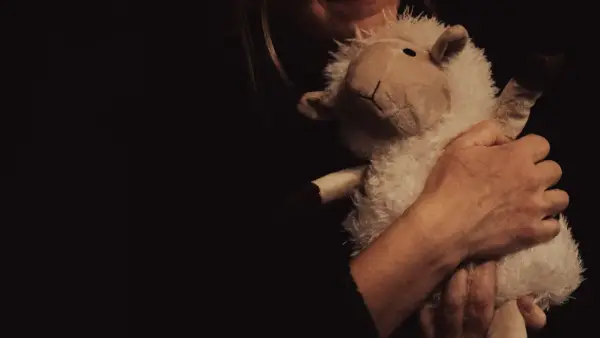
Psychology says people who apologize to furniture they bump into, whisper 'thank you' to a car that starts on a cold morning, and feel genuine guilt about throwing away a stuffed animal their children outgrew are not eccentric or childish - they are people whose empathy was built so large in childhood that it expanded past the species barrier, and the woman at fifty-two who says 'sorry' to a table she walked into is not confused about what is alive but fluent in a dialect of care that most nervous systems never learned to speak

Children who learned to make their good news smaller because someone in the family was struggling often become adults who cannot say 'I'm doing really well' without scanning the room first to make sure their happiness won't cost someone they love
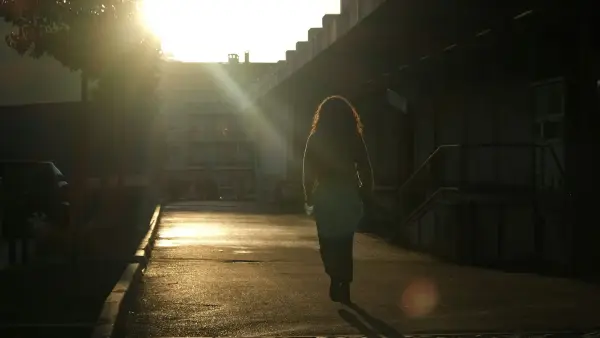
Psychology says people who walk faster the moment they hear footsteps behind them are not afraid and are not anxious - they are a child who was always told to hurry up, to keep up, to stop being in the way, and at forty-nine she still speeds up on an empty sidewalk not from fear but from the oldest instruction her body ever received: you are taking up someone else's time
Psychology says the person muttering 'okay, keys, wallet, phone' before leaving the house, narrating every aisle at the grocery store, and saying 'there you are' when they finally find the remote - is not losing their mind, they are using the most sophisticated cognitive processing system the brain has available
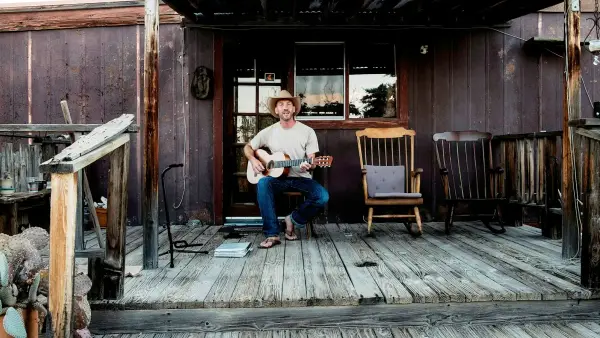
7 things that quietly change in a man's behavior when he is carrying something he will not talk about, according to psychology - and why the people closest to him almost never recognize the signs until long after the weight has done its damage

Children who always counted things - steps to the bus stop, tiles on the bathroom ceiling, seconds between lightning and thunder - not because numbers fascinated them but because numbers were the only thing in the house that behaved predictably, often become adults who still count everything, not out of compulsion but because counting was the first language that never lied to them

Psychology says mothers who narrate their emotions out loud to their children - who say 'Mommy is feeling frustrated right now and it has nothing to do with you' with the rehearsed precision of someone translating a language she was never taught - are not being performative or reading from a script, they are women who grew up in houses where a parent's mood arrived without a forecast and the child was left to decode the weather alone, and the narration at forty-three is not hovering but a woman building in real time the manual she never received, one careful sentence at a time

There are people who become whoever the room needs them to be - warm with the sad friend, playful with the nervous colleague, steady with the panicking partner - who adjust their voice and energy and even their vocabulary so instinctively that nobody ever notices the shift, and the thing that keeps them awake at three in the morning is not who they were today but the quiet terror that if they ever stopped performing, the person underneath all the versions might not be anyone at all
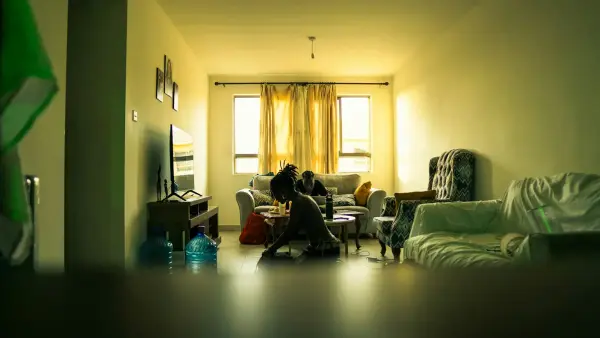
8 things that quietly happen to people who always clean the house before anyone comes over - not the normal tidying that adults do but the urgent rearranging of every surface that begins the moment a visit is confirmed - because a child whose home was something to apologize for learned that the only way to let someone inside was to first make the house pretend to be something it was not, according to psychology
7 things that quietly happen to people who always say 'I'm not upset' when they clearly are - not because they are dishonest but because a child who learned their real feelings made the room worse decided the safest version of themselves was the one that cost nobody anything, according to psychology
8 things that quietly happen to people who always save the best bite on their plate for last - because a child who grew up where the good things could disappear before they reached them learned to postpone every pleasure as quiet proof they could survive without it, according to psychology
8 things that quietly happen to people who always have a backup plan for the backup plan - not because they are pessimists but because they grew up in homes where the original plan was never the one that actually happened, and a child who learned that trusting what was promised meant being blindsided by what actually arrived spent the next thirty years building escape routes into every beautiful thing, according to psychology
Psychology says people who become inexplicably sad on Sunday evenings are not dreading Monday - they are carrying a body that still remembers what childhood Sundays felt like, the way the light changed and the house went quiet and something inside them began counting down to a week that was never entirely safe, and the grief that finds them at fifty-two on a Sunday at six o'clock is not about tomorrow but about a version of tomorrow that ended decades ago and left its fingerprint on a day of the week
Psychology says people who check the lock twice, pat their pocket for keys three times, and circle back to make sure the stove is off aren't anxious - they grew up in homes where something that should have been safe wasn't, and their nervous system learned that trusting the first check was a luxury they couldn't afford
7 things that quietly happen to people who grew up in homes where "I love you" was never said out loud - not because the love wasn't there but because it lived entirely in the things that were done without being named, and by forty-five they have built entire relationships where showing up is the only language of devotion they trust but saying the words still feels like standing at the edge of something they might fall from, according to psychology
8 things that quietly happen to people who were always the first to apologize in their family - not because they were always wrong but because they learned before they were ten that someone had to bend first or the house would stay cold for days, and the person who bends first is the person who never stops bending, according to psychology
Children who grew up in homes where being sick was treated as an inconvenience - where a fever was met with a sigh instead of a hand on the forehead - often become adults who apologize for having a cold, refuse to rest, and feel genuine guilt about needing care, because a child who learned their body's needs were a burden never stopped treating illness as something they owed the world an apology for
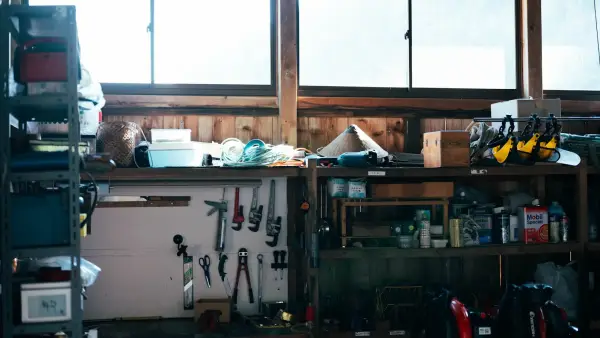
He's 56 and has quietly realized the reason he cannot throw away the broken watch, the coat that no longer fits, and the boxes of magazines nobody will ever read is not sentimentality - it is a boy who watched his family lose their home and decided at nine that nothing important would ever leave his hands without his permission again
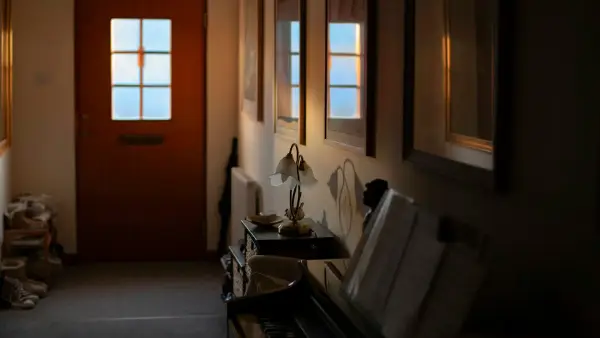
Psychology says people who cannot fall asleep without checking every lock in the house, turning off each light themselves, and walking through every room one last time before bed are not obsessive - they were children who grew up in homes where the adults could not be trusted to keep things safe, and the nightly patrol they still walk at fifty is the same one a seven-year-old invented to make sure the house would still be standing by morning
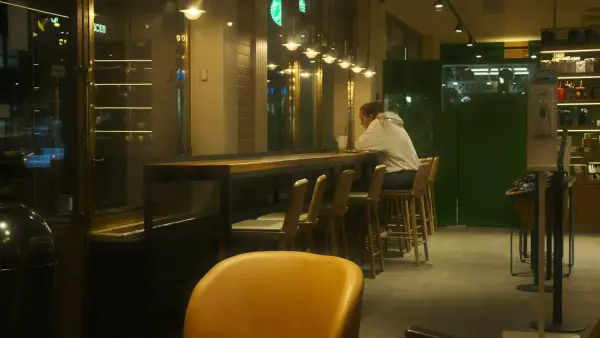
Psychology says people who cannot watch someone struggle without stepping in to help - who fix the problem before the person has finished describing it - are not controlling and are not overstepping, they were children who learned that someone else's discomfort was their responsibility to solve, and the compulsion to rescue at fifty is a nervous system still running the emergency protocol of a child who believed that if she could just make it better fast enough, everyone would stay
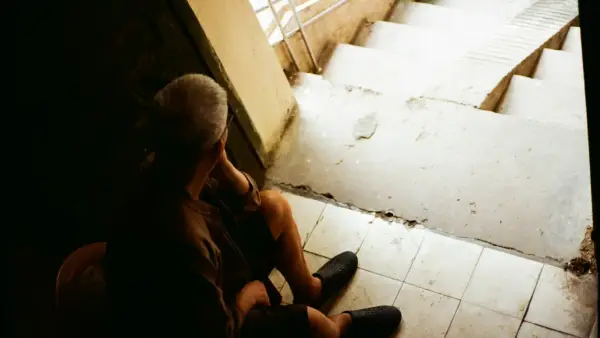
There are people who count how many times they have spoken in a group conversation and stop themselves when the number feels too high - not because they have nothing left to say but because a child who was told she talked too much learned to ration her own voice, and by fifty the counting has become so automatic she does not realize she is still measuring whether she has earned the right to take up sound in a room
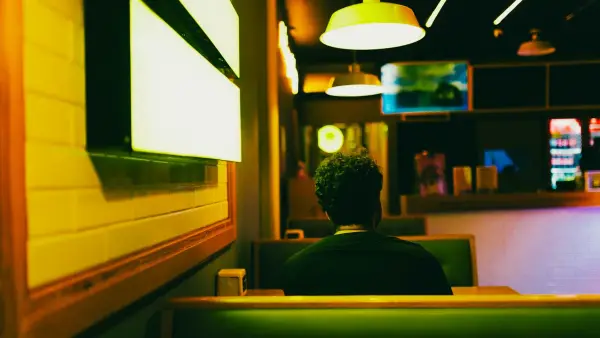
7 things that quietly happen to people who always sit in the same seat at every restaurant, every meeting, every family gathering, not because they are rigid or boring but because they were children whose entire environment shifted without warning and the position of their own body in a room became the first and only variable they could control, according to psychology
Children who grew up hearing 'don't make a scene' whenever they expressed a strong emotion in public often become adults who can sit in a doctor's office receiving devastating news and smile politely at the receptionist on the way out, because a child who learned their feelings were a spectacle the room needed protection from grew up believing that the bravest thing a person could do with pain was make sure nobody had to watch
He's 60 and has finally understood that the reason he tears up at car commercials and soldiers-coming-home videos but could not cry at his own father's funeral is not emotional dysfunction - it is fifty years of a nervous system that was only ever given permission to feel through someone else's story, and the borrowed tears are the closest thing to his own grief his body has ever been allowed to release
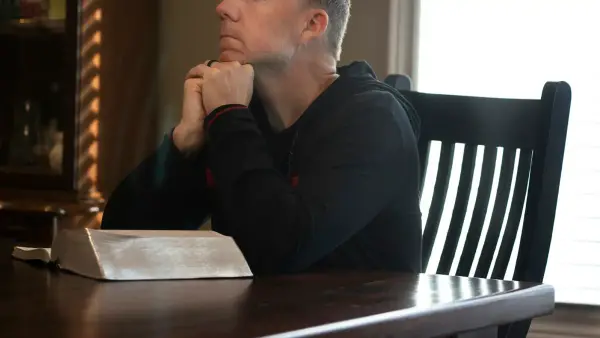
7 things that quietly happen to people who become eerily calm during a crisis but fall apart completely the moment it is over - not because they are fragile but because a child who grew up where falling apart meant making everything worse learned to delay every feeling until the room was safe enough to hold it, according to psychology
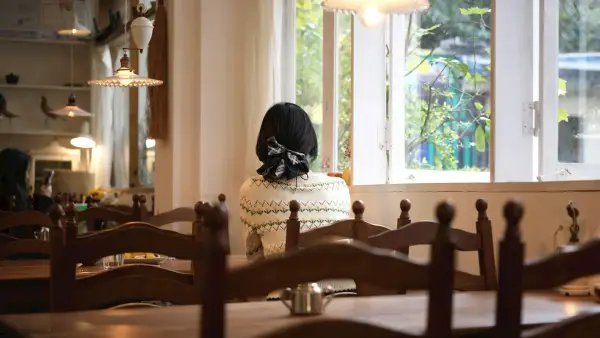
She's 56 and has realized that the reason she has never once sent food back at a restaurant - not when it was cold, not when the order was wrong, not when she quietly found something in her soup and ate around it rather than say a word - is not patience or good manners, it is forty years of being a girl who learned that her discomfort was never quite important enough to justify making someone else uncomfortable, and the silence she holds at fifty-six is the same silence that kept a childhood kitchen from turning dangerous
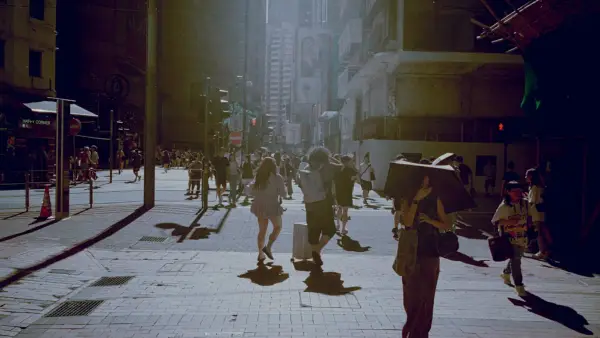
Psychology says people who apologize before they have done anything wrong - who begin every request with 'sorry to bother you' and every honest sentence with 'I know this is a lot' - are not being polite, they are people who learned in childhood that their needs changed the temperature of the room, and the apology is not courtesy but a shield they built before they were old enough to know what they were protecting themselves from

She's 56 and has just realized the reason she still flinches when someone raises their voice - even in excitement, even in celebration, even when it is her own grandchildren screaming with joy in the backyard - is not sensitivity, it is a nervous system that learned volume before it learned context, and the girl who gauged the danger of a room by its decibel level never fully updated her definitions

She's 61 and has just realized that the reason she cannot watch a movie where a parent fails a child without leaving the room is not sensitivity - it is a woman who spent forty years making sure she never repeated what was done to her, and the tears she hides in the hallway during the second act are not about the film but about the vigilance it cost her to build a childhood for her own children that looked nothing like the one she survived
Children who felt a wave of guilt every time they stayed home sick from school - who heard 'are you sure you can't push through' before anyone checked their temperature - often become adults who work through fevers, apologize for doctor's appointments, and have never once believed their own body without cross-examining it first, because rest was never something they were allowed to need without proving they deserved it

Psychology says people who feel a wave of sadness at the end of a perfectly good day - who lie in bed after a birthday dinner or a holiday gathering or a Sunday afternoon where nothing went wrong and feel something heavy settle into their chest that has no name - aren't ungrateful, they are people whose nervous system learned in childhood that every good thing was the calm before a storm, and the grief they feel at the end of a beautiful day is their body quietly bracing for a cost it still expects to pay

8 things that quietly define people who have spent their entire lives feeling like they are pretending to be adults, and the imposter syndrome nobody talks about isn't professional - it is the persistent suspicion that everyone around you received a set of instructions for being a person that you somehow missed, according to psychology
Sons who became their mother's emotional confidant before they were old enough to understand what a marriage was often become men who can hold anyone through a crisis with extraordinary steadiness but have never once considered that someone might be willing to hold theirs

Psychology says women who can walk into any room and immediately sense who is pretending to enjoy themselves are not unusually observant - they were daughters who learned to read their mother's mood before they could read a clock, and the exhaustion they carry at fifty is not personality but decades of a nervous system that was never given permission to stop translating the room

She's 53 and she finally understands why she holds her breath every time someone opens a gift she gave them - it was never anticipation or excitement, it was a childhood where every offering, every drawing brought home from school, every 'look what I made' was met not with delight but with a verdict disguised as a response, and the woman who braces at fifty-three when wrapping paper tears is still a girl waiting to find out whether what she gave was enough
Psychology says people who remember every criticism they have ever received but immediately forget every compliment are not bitter and they are not ungrateful, they are people whose childhoods taught them that negative feedback was the only signal worth filing, because a warning might keep you safe but a kind word was never going to protect you from anything
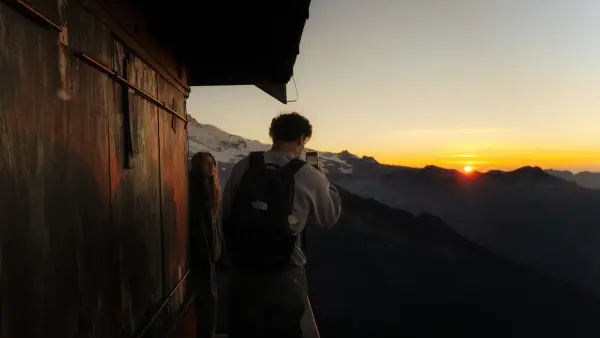
There are men who only cry in the shower, not because it is the only place they feel sad but because it is the only room in the house where the evidence disappears before anyone can find it, and a body that first learned to hide its grief behind running water at fifteen has been doing it so long the tears and the water have become the same thing

8 things that quietly happen to people who always need a plan before they can enjoy anything, because a nervous system that grew up where the next hour was never guaranteed learned that spontaneity was just another word for danger, according to psychology
Psychology says people who cannot sit down to rest until every dish is washed and every surface is clear are not perfectionists and they are not controlling - they were children who learned that the visible state of a room was the only reliable predictor of whether the evening was going to be safe, and the cleaning they cannot stop doing at fifty is a body still trying to prevent a storm that ended thirty years ago

7 things that quietly happen to people who speak in one voice at work and another at home, not because they are performing but because a child who grew up in a household where the rules and the humor and the volume did not match the world outside the front door learned to become fluent in two entirely different versions of themselves, and the exhaustion they carry at forty-five is not from the job but from the daily act of translation their nervous system has never been allowed to stop, according to psychology

8 things that quietly happen to adults who were always called 'gifted' as children, because the praise that felt like sunlight at eight became an impossible standard by thirty-five, and the exhaustion they carry now is not burnout but the weight of an identity that was never fully theirs to begin with, according to psychology
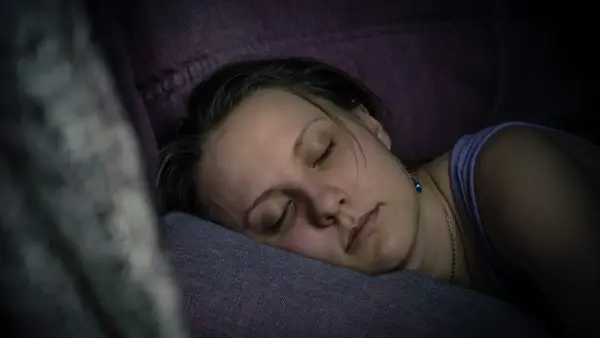
She's 57 and has finally understood that the reason she cannot fall asleep in a silent room, the reason she needs a podcast humming from the nightstand or the low blue flicker of a television she is not watching, is not that she loves noise, it is that she grew up in a house where quiet was the sound of something about to go wrong, and her nervous system has never once been told that the danger has passed

8 things that quietly change in people who finally stopped trying to be understood by the family they were born into, and almost none of them feel like estrangement, they feel like the strange relief of no longer translating their entire adult life into a language nobody at the table was ever going to learn, according to psychology

Psychology says people who lose their temper and then immediately feel crushing, disproportionate guilt are not volatile and they are not unstable - they are people who grew up in homes where anger was the only emotion that ever got a genuine response, and the guilt they carry afterward is not evidence of a character flaw but proof that the anger was never who they truly were
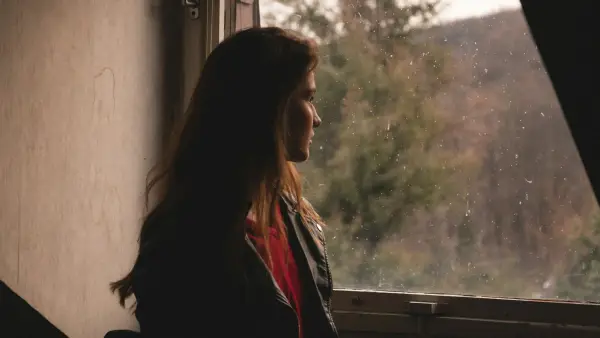
Psychology says the heaviness people feel while carrying a secret they were told never to mention is not emotional, it is literal, because neuroscience has shown the act of holding a secret activates the same regions of the brain that process physical pain, which means the body has been telling the truth all along about what silence actually costs
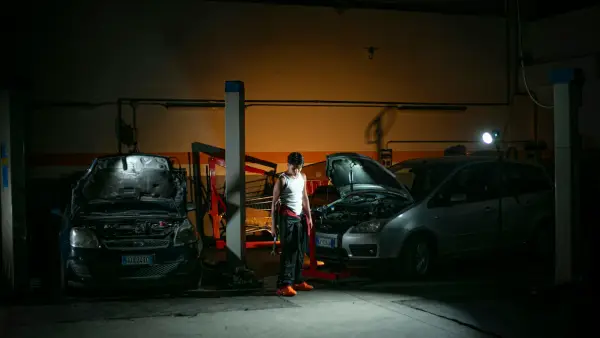
The loneliest age in a man's life isn't 65 or 75 - it's 43, because 43 is the year you finally notice that every close friendship you had before 25 has quietly become a text thread nobody starts anymore, and every friendship you've made since 30 turned out to be a colleague, a neighbor, or the husband of your wife's friend - all perfectly decent men, none of whom you would call at 2am if something in your life began to fall apart
He's 53 and has spent thirty years being the calm one in every crisis - the steady hand everyone reaches for when things fall apart - and he has only now realized that his composure was never peace, it was a boy who learned at nine that his panic made everything worse

There is a kind of intelligence that never shows up on any test - the kind that reads the room before anyone has spoken, that hears what people mean underneath what they actually say, and the people who carry it spend their entire lives being told they are too sensitive when the truth is they were never taught that what they do is a form of brilliance nobody thought to measure

7 things that quietly happen to children who were always called 'the easy one' in their family - because being low-maintenance was never a personality trait, it was a survival strategy their nervous system chose when it learned that needing things made the whole house harder, according to psychology
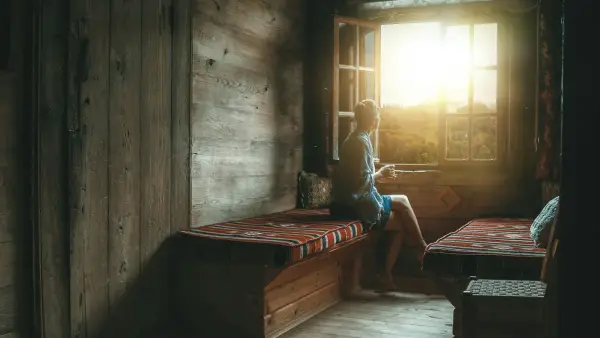
8 things people who finally feel safe for the first time in their adult life quietly struggle with, because a nervous system that spent decades in survival mode doesn't know what to do when the emergency is actually over, according to psychology
Boys who were told 'you're fine' and 'shake it off' every time they cried didn't learn resilience - they learned that what they were feeling was incorrect, and they grew into men who experience every emotion as a kind of unnamed pressure in the chest they can never quite explain to the people who love them
Men who go quiet during arguments aren't stonewalling or ignoring you - their nervous system is flooding and they literally cannot access language in that moment, and the worst thing you can do is follow them into the room they just left
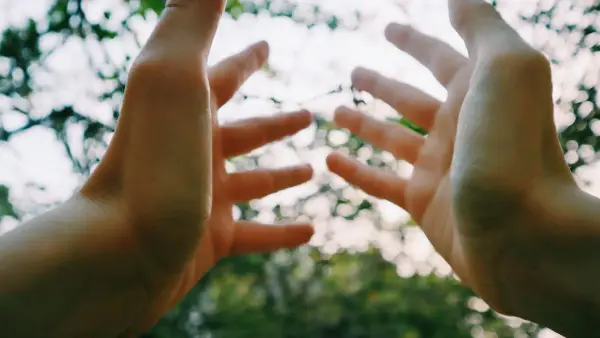
9 body language habits that reveal more about your personality than you realize, according to psychology