Class And Socioeconomic
She's 60 and has never once left food on her plate at a restaurant - not the garnish, not the bread, not the three bites of pasta she stopped wanting twenty minutes ago - because the girl inside her still watches her mother wrap leftover chicken in foil like it was something precious
Class And Socioeconomic
Children who were always sent to the neighbor's house to borrow something - a cup of sugar, an egg, a stick of butter, who knocked on a door that was not their own before they were tall enough to reach the doorbell - often become adults who cannot accept a single favor without immediately calculating how to pay it back, because a child who carried an empty measuring cup across the street learned that need was a transaction and every transaction had to be settled before it became a debt someone could hold over you
She is 61 and just realized she has saved every plastic bag from every grocery trip for her entire adult life - not because she is frugal or environmentally conscious but because a girl who watched her mother fold and flatten every bag from the store into a drawer beside the refrigerator learned that nothing that enters a house leaves without a second purpose, and a woman with three kitchen drawers full of bags she has never once reused is not hoarding but honoring the only economy her mother ever trusted
Children who always knew exactly how much milk was left in the refrigerator without opening the door - who could tell you the number of eggs, the slices of bread remaining, and exactly how many days before the peanut butter ran out - often become adults who open the refrigerator and take a silent inventory every time they pass through the kitchen, not because they are planning a meal but because a boy who once reached into an empty cereal box and found nothing learned that the distance between enough and nothing was one breakfast he failed to count

Children who always knew which grocery items to put back when the total at the checkout got too high - who watched their mother's face as the cashier scanned each item and could feel the exact moment the number crossed an invisible line - often become adults who calculate the total in their head before they reach the register, not because they cannot afford the groceries but because a child who learned to read financial distress in a parent's jaw muscle never stopped scanning for the moment when enough becomes too much

He is 65 and has never once called in sick when he was actually sick - not through the flu that kept him awake all night, not through the migraine that turned the fluorescent lights into punishment, not through the back injury that made every step from the parking lot to the time clock feel like something inside him was tearing - because a boy who watched his father leave for the factory before dawn in a blizzard learned that a working man's body was not his own to rest, it belonged to whoever was counting on him to show up
There is a particular kind of man who never finishes the last bite on his plate - not from fullness or manners but because a boy who grew up in a house where food was counted learned that the last portion is never truly yours, it belongs to whoever at the table might still be hungry, and he has carried that arithmetic into every meal of his adult life without once putting it into words
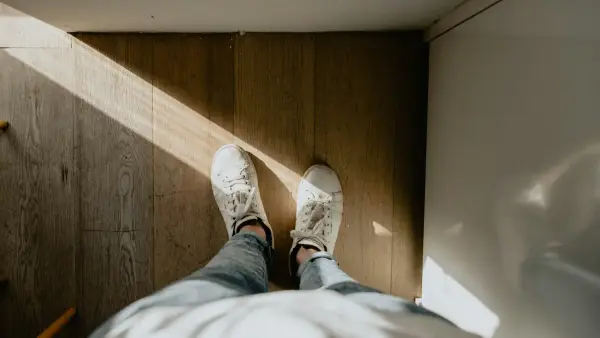
There is a particular kind of person who keeps her shoes on inside the house even when it is her own house - not because she is worried about the floors or forgot to take them off but because a girl who grew up in a house where the carpet was stained, the linoleum was cracked, and the basement apartment never quite got warm enough learned that the floor beneath her was never something her body trusted, and a woman who now owns a house with hardwood she chose herself still cannot convince her feet that they are somewhere they are allowed to settle
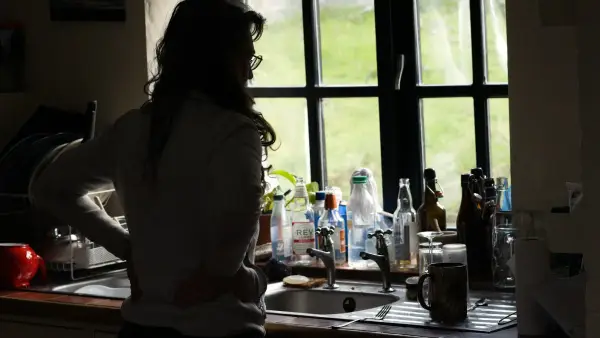
There is a particular kind of person who still washes every dish by hand before putting it in the dishwasher - not because she does not trust the machine but because a girl who grew up in a house without one watched her mother stand at the kitchen sink every night for twenty years, and a woman who finally owns the appliance her mother never had still cannot convince her hands that the job is finished until she has touched every plate herself
Psychology says the man who always gives away the better piece - the larger steak, the less-burnt toast, the seat with the view, who serves everyone else's plate before sitting down and takes whatever is left without commentary or complaint - is not selfless in the way the word is usually meant, he is a boy who watched his father eat standing at the kitchen counter while the family sat at the table, and learned that a good man's worth was not what he consumed but what he made sure the people around him never had to go without

There is a particular kind of person who never lets the gas tank drop below half - who fills it the moment the needle touches the midpoint, who knows every gas station between home and work the way other people know landmarks - because a child who sat in the backseat of a car that coasted to a stop on the shoulder of a highway learned that empty is not a number on a gauge but a feeling in your chest, and she has spent her entire adult life making sure she never feels it again
Children who always counted the money in their piggy bank even though nothing had been added or removed - who opened it every few days just to confirm it was all still there, who lined up the coins by denomination and whispered the total to themselves - often become adults who check their bank balance every morning before they have had coffee, because a child who grew up in a house where security could shift between breakfast and dinner learned that the only thing more frightening than not having enough was not knowing exactly how little you had left

She's 57 and just realized she still checks the price of everything on the menu before ordering at a restaurant - even now that she can afford anything on it. The childhood of watching her mother's eyes scan right to the column of numbers before reading a single word of food taught a girl that a menu is not a list of choices but a ledger of consequences.

She's 60 and just realized she still carries a twenty-dollar bill folded inside a zipper pocket of her purse even though she hasn't paid for anything with cash in years, not because she forgot it was there but because her grandmother kept an emergency bill folded inside a handkerchief in her coat pocket and told her once that a woman who depends entirely on a card that someone else can cancel has already agreed to ask permission for her next meal
She's 61 and just realized she still turns off every light when she leaves a room - even in a house she owns outright, even when she can easily afford every watt on the bill - not because she cares about the electric bill anymore but because her father walked through the house every evening turning off lights like a man making rounds, and a girl who grew up hearing 'we're not heating the outdoors' every time a door stayed open too long learned that wastefulness was not a habit but a moral failure, and conservation was not about money but about proving you understood what things cost

She's 58 and just realized she still packs a bag the night before even when she has nowhere particular to go - lays out clothes on the chair, sets keys by the door, puts shoes by the mat - not because she's disciplined but because she grew up in a house where the difference between making the bus and missing it was the difference between a regular Tuesday and a day that fell apart, and readiness was the only insurance policy her family could carry

She's 59 and just realized she buys birthday cards weeks in advance and keeps them in a box organized by relationship - not because she is thoughtful or unusually prepared but because her mother's visible shame at writing 'happy birthday' on notebook paper when payday was three days away taught a girl that celebration is something poor families must stockpile against
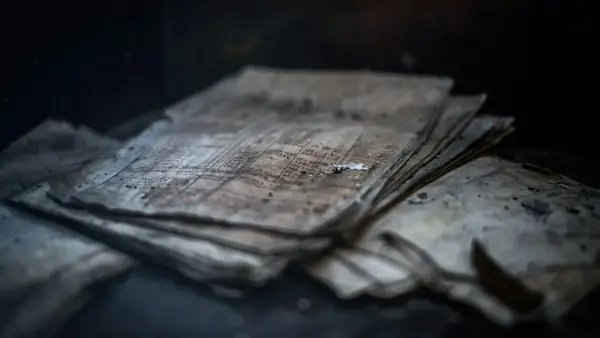
Children who always kept every instruction manual in a drawer - for the toaster that broke in 2003, for the bicycle they outgrew at twelve - are now adults who cannot throw away a warranty card for an appliance they no longer own, because in houses where broken things stayed broken, that folded pamphlet was the only promise anything could be fixed
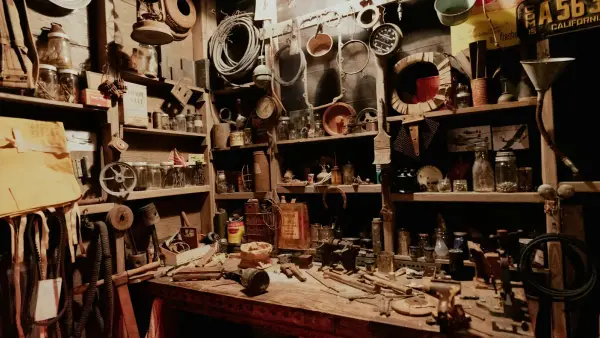
He's 65 and just realized he has never once thrown away a cardboard box without first breaking it down flat and stacking it behind the water heater in case it could be useful for something - because his father saved every box, every jar, every length of wire, and a boy who watched a man build garage shelves from a neighbor's discarded moving boxes learned that throwing something away without first imagining what it could become was a luxury only people who could afford to buy things new were permitted
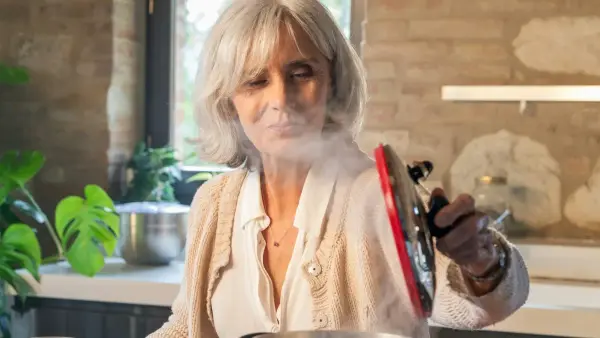
She's 60 and just realized she folds every plastic grocery bag into a perfect triangle and keeps them in a drawer beneath the kitchen sink - hundreds of them, organized and flattened and tucked inside each other like origami she never decided to learn - because her mother saved every bag from every store as though they were currency, and a girl who watched a woman smooth a wrinkled bag against the counter with the same reverence other people reserved for important papers learned that throwing away something reusable was the closest thing to a sin a household running on not-quite-enough could commit
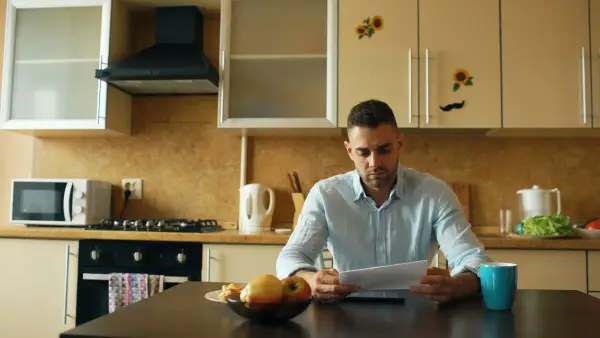
He's 60 and just realized he always tastes food before adding salt - even at his own table, even food his wife cooked, even something he reheated himself from last night's leftovers - because a boy who watched his mother stretch a single meal across seven plates in a kitchen where there was never quite enough learned that you never altered what someone put in front of you until you had first honored what was already there, and the man who lifts the fork before reaching for the shaker is not being polite but performing the only grace his family ever said
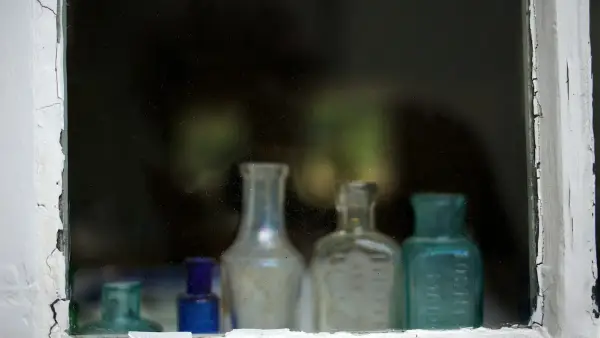
She's 62 and just realized she keeps every expired bottle of medicine in the cabinet - the ibuprofen from 2019, the half-empty prescription from a surgery that healed three years ago, the children's Tylenol nobody has needed in twenty years - because her mother kept every pill in the house like a woman who knew the distance between healthy and desperate could close in a single afternoon when the money was not there for the doctor, and throwing away medicine felt exactly like throwing away the only guarantee that the next emergency would not arrive empty-handed
He's 62 and just realized he always backs the car into the driveway - every single time, even when the street is empty and the neighbors on both sides just pull straight in - because his father backed in every night after working double shifts at the plant and told a boy who asked why that you always want to be ready to go, and it took forty years to understand that a man who worked a job he could lose without warning never stopped rehearsing his exit, and the driveway became the last place where readiness felt like the only form of safety a working man could afford
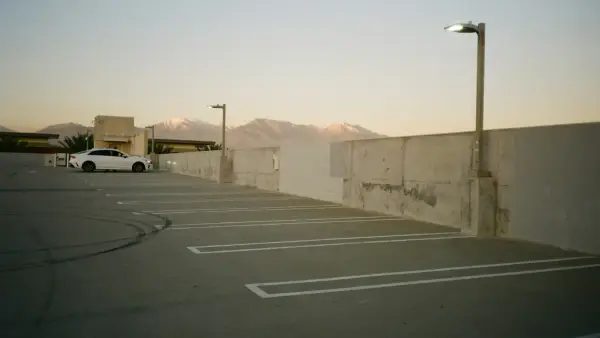
He's 63 and just realized he parks at the back of every lot - the farthest spot from the entrance, the one nobody else wants - not for the exercise or the peace of mind but because his father drove a car with a dent he could never afford to fix and always chose the space where the fewest people would walk past it, and a boy who watched a man hide the evidence of a budget that did not stretch far enough learned that the safest parking spot was the one where nobody was looking
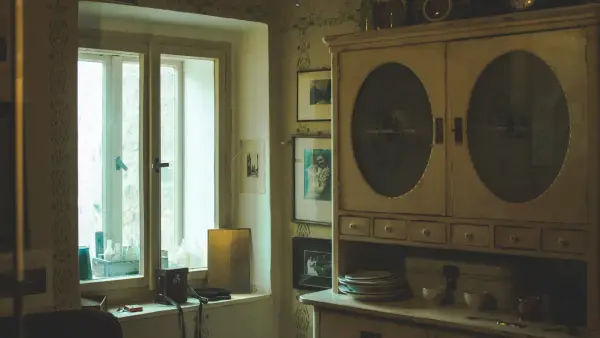
She's 61 and just realized she keeps the good china behind the everyday plates - the set her mother received as a wedding gift and touched exactly twice in forty years, once for her own mother's visit and once for a dinner that felt important enough - because a girl who watched a woman save her most beautiful things for an occasion that never quite arrived learned that the things you treasure most are the things you are least permitted to enjoy, and the cabinet became a museum of permission that was never given

She's 57 and just realized she folds every towel exactly the way her mother did - thirds not halves, smoothing each fold flat with the palm before stacking, edges aligned so precisely you could measure them - because her mother grew up in a house with three towels for five people and learned that the way you care for scarce things is the way you prove they were worth having, and a girl who watched a woman turn laundry into something sacred never learned to fold anything carelessly even after the scarcity was gone
Children who always turned off the lights in every room they left - who could not walk past an empty lit room without reaching for the switch, who heard 'we're not made of money' so many times it became a reflex in the hand - often become adults who still turn off lights in hotel rooms they are paying for, because a child who learned that comfort had a meter running never stopped counting what warmth costs
Class And Socioeconomic
Children who were always sent out the door with an extra jacket 'just in case' - who carried layers they did not need because a mother who grew up cold knew that warmth was not guaranteed - often become adults who pack for every disaster they have never experienced, because a child who learned that the world was something you prepared to survive never learned to trust that comfort would still be there tomorrow
He's 60 and just realized he still calculates the per-unit price of everything he puts in the grocery cart - even items he could buy ten of without thinking twice - because his mother turned every jar around to check the weight and divided price by ounces in her head before anything went in the basket, and a boy who watched a woman do arithmetic in a grocery aisle learned that money was something you counted before you spent it, and the counting never stopped even after the scarcity did
Children who always ate everything on their plate - who scraped the bowl clean and learned that leftover food was not waste but an accusation - often become adults who cannot throw away anything edible, because a child who understood that finishing your plate was about respect for what the family could afford never learned to distinguish fullness from duty
He's 62 and reads every sign aloud when he drives - exit numbers, restaurant names, gas prices, church marquees - because his father did the same thing for forty years, and a boy who watched a man who left school at fifteen read the entire visible world out loud understood without being told that literacy was not a skill his father took for granted but proof of purchase on an education the world decided he did not deserve to finish
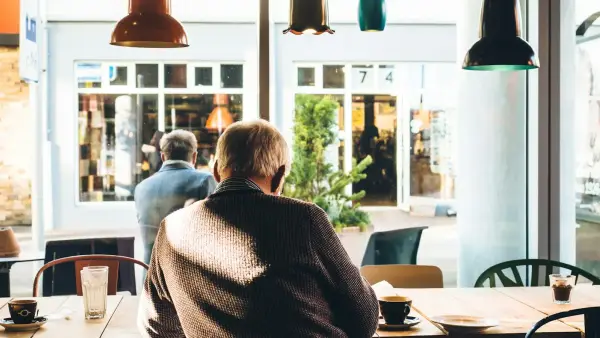
He's 61 and he always turns back to check the booth before leaving a restaurant, pats every pocket twice, runs his hand along the seat - his father never left anything behind, because the man who grew up losing things learned that losing things meant losing ground

He's 62 and still strips the hotel bed and folds the towels before checkout because his mother did the same thing at every motel on the family's one yearly trip, and the boy who watched a woman clean a room she was paying someone else to clean understood without being told that people like them left proof they were not the kind of guests anyone would have to apologize for
Class And Socioeconomic
She's 64 and just realized the way she inspects every piece of fruit at the grocery store - turning the peach slowly in her palm, pressing the avocado with her thumb, holding the melon to her ear and tapping it twice with one knuckle - is the exact method her mother used in a household where a bruised pear or a mealy apple was not a mild inconvenience but money they genuinely could not afford to throw away, and now she does it in a kitchen that could absorb the loss ten times over but her hands never received the message that the stakes have changed
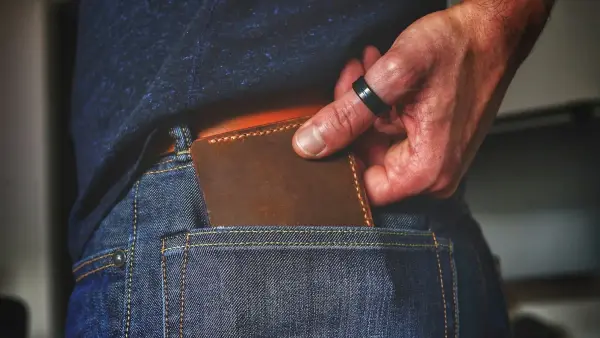
He's 61 and just realized the reason he still keeps a folded twenty-dollar bill behind his driver's license - a hidden bill that has been replaced a dozen times over thirty years but never once spent, that he checks for by touch every time he opens his wallet - is because his father kept a folded ten in the glovebox of every car he owned, and the boy who watched a man hide money where nobody would think to look learned that real security is not what the bank says you have but what your own hands can reach when everything else falls away
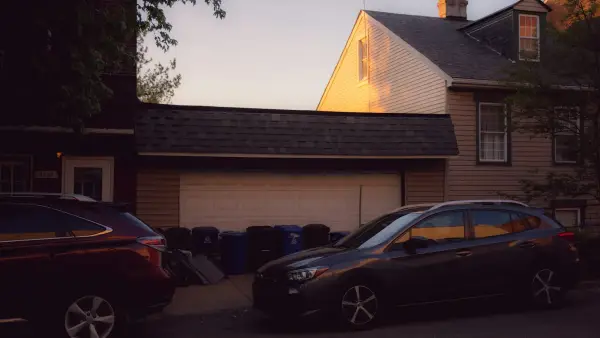
She's 62 and still walks every single guest to their car and stands in the driveway watching until the taillights disappear around the corner - not because she's being polite but because her mother did the exact same thing in their working-class neighborhood where walking someone to their car was never ceremony, it was making sure they were safely inside metal and moving before you turned your back
Class And Socioeconomic
She's 61 and just realized that the way she wraps every leftover in aluminum foil - pressing the edges tight, smoothing the creases flat, folding the top over twice because her mother said cling wrap was a waste of money and a careful woman could make one sheet of foil stretch across three meals - was never about keeping food fresh but about preserving the only definition of love she ever saw practiced in a kitchen where nothing was too small to save and no amount was ever enough to waste

8 things people who squeeze the toothpaste tube from the bottom and roll it flat as they go - who press the tube against the counter edge to push the last stripe toward the cap, who cannot bring themselves to replace it while there is still a ghost of paste inside the fold - do according to psychology, because a boy who watched his father get the last bit from everything that cost money learned that nothing is ever truly empty until it has been asked, one more time, to give what it has left
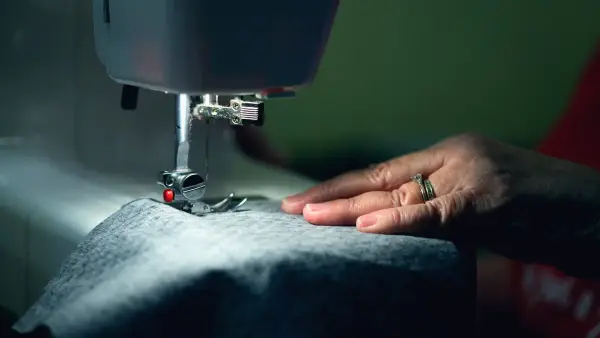
There are women who carry their mother's sewing machine from house to house, setting it up in rooms they never use - not because they sew but because a daughter who watched her mother turn clearance fabric into something that looked like it cost ten times what it did understood that the machine was never about clothing but about the distance between what you could afford and what you refused to accept
8 things people who grew up in houses where orange extension cords ran between rooms - snaking through doorways, across thresholds, taped to baseboards with masking tape - understand about electricity, space, and the particular engineering of making a house work when the house itself was not designed for the life you were living in it
Children who watched their fathers write in all capital letters - on envelopes, on forms, on notes left on the kitchen counter in block print so clear and deliberate it looked like an architect had drawn it - who never once saw that man produce a single letter of cursive, often become adults who print everything by hand because they learned that handwriting is for function, not flourish
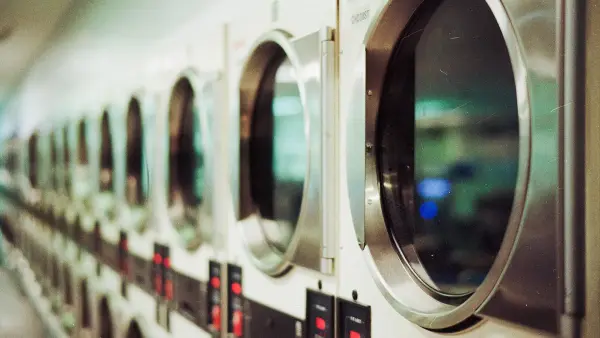
Children who grew up where Saturday morning meant the laundromat - who counted quarters from a jar and folded clothes on a public table where everyone could see what they owned - often become adults who feel a gratitude for their own washing machine that has nothing to do with convenience and everything to do with what laundry once cost them
8 things people who will never order first at a restaurant - the ones who say 'you go ahead, I'm still deciding' and then wait to hear what everyone else is having - do without realizing it, according to psychology, because a child who watched a parent scan the right side of the menu first learned that ordering was never about hunger, it was about finding the ceiling of the table and staying safely underneath it
Class And Socioeconomic
8 things psychology notices about people who drop every coin into a jar at the end of each day, who empty their pockets onto the dresser every night, who pick up pennies from parking lots, because a child who watched a parent count change at the kitchen table learned that wealth was not earned but saved one piece at a time, and the woman at fifty-three with a jar of coins she has never cashed in is not saving money but still holding on to every small thing the world tried to make her believe was not worth keeping
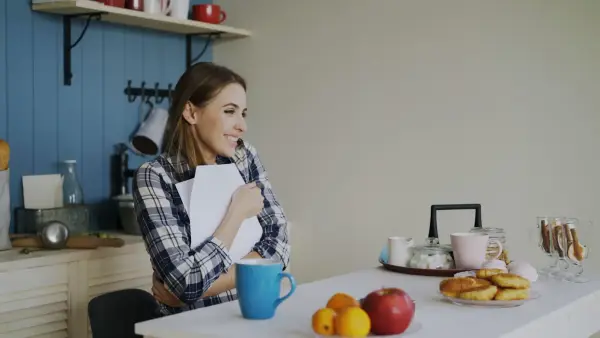
She is 58 and has just realized that the reason she reads the back of every cereal box, every shampoo bottle, every label within arm's reach when she is sitting still is not boredom or habit but a girl who grew up in a house with twelve books and no money for more discovered that a bathroom was a library and a cereal box was a newspaper and the back of a detergent bottle was an essay, and the woman who still reads the nutritional panel on a jar of peanut butter while eating lunch alone is not killing time but practicing the only form of reading that never cost her family a cent and never reminded anyone that she wanted more than what the shelf could hold
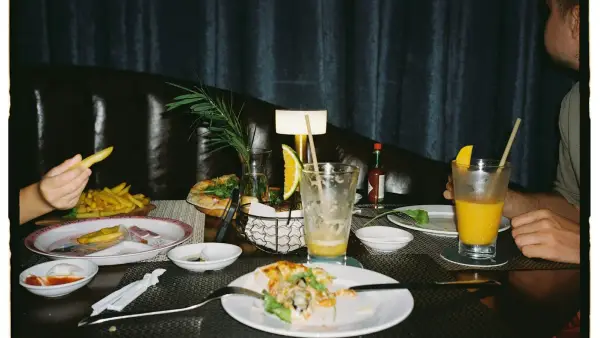
Children who always watched what their parents ordered at restaurants before choosing their own meal - who scanned the prices on the right side of the menu before looking at the food on the left, who heard 'get whatever you want' and understood it meant get something that costs about what theirs costs, not the thing you actually want - often become adults who still cannot choose what they genuinely want in any room where their choice might cost someone else something, because a child who learned to read the household budget from a laminated page of specials learned that desire itself has a price tag and the price was always too high
Children who learned to speak one way at home and a different way at school - who softened the vowels their parents used, who dropped the phrases that marked where they came from, who understood by age nine that the way you talked was the first test and the grade was assigned before you opened your mouth - often become adults who still hear their real voice break through at unexpected moments, and the woman at fifty-one who catches herself using a word her mother used in a boardroom full of people who never had to unlearn where they came from feels a flush of exposure that has nothing to do with grammar and everything to do with the girl who discovered that the price of belonging was learning to sound like she came from somewhere else

There is a kind of arithmetic that belongs only to children who grew up in homes where the shopping bag told you everything - where name-brand cereal on a Thursday meant someone had been paid, and the disappearance of fresh fruit by Tuesday meant the week was tightening, and the girl who learned to decode the financial forecast of a household from the weight of a single plastic bag became a woman who still cannot place anything in a cart without calculating the cost of the entire week first
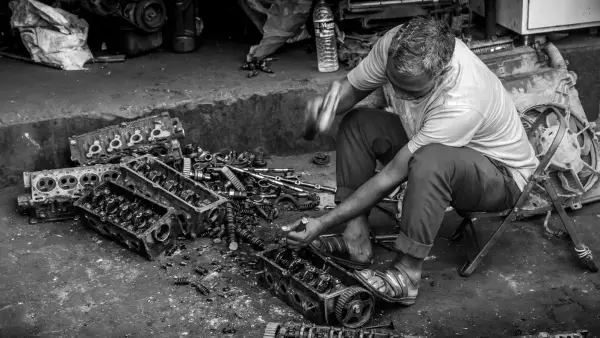
There are men who have never once hired someone to do something they could figure out themselves - who taught themselves plumbing from a library book, who replaced the garbage disposal with a wrench and three hours of trial and error, who retiled the bathroom floor on a Saturday because the quote from the contractor felt not like a price but like an accusation that they had become the kind of person who pays strangers to do what their father would have done with his own two hands and a trip to the hardware store, and the man at fifty-nine with scraped knuckles and a crooked tile he will never fix is not handy but fluent in the only language of self-respect a boy whose family could not afford to call anyone ever learned to speak
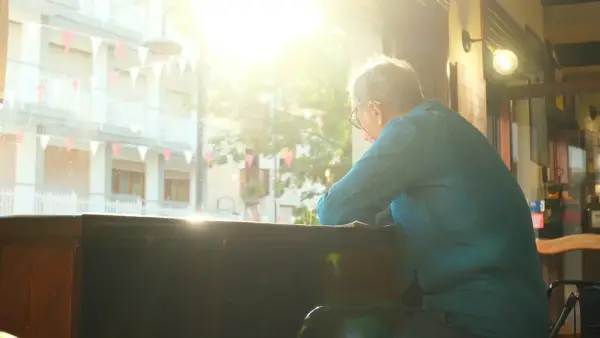
7 things boys who were trained to say 'yes sir' and 'no ma'am' before they could tie their own shoes do as men, according to psychology - and the one that follows them furthest is the inability to disagree with anyone in authority without the physical sensation that something irreversible is about to happen
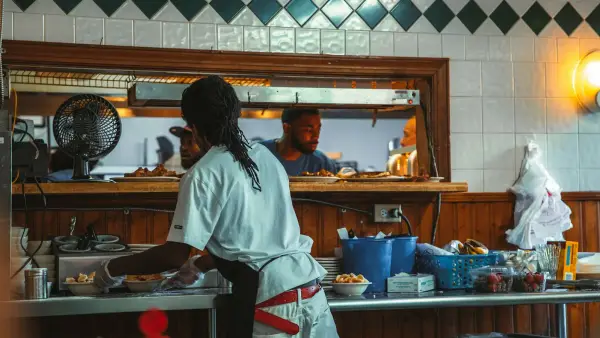
He's 56 and Still Leaves 25 Percent at Every Diner Counter Even When the Service Is Slow - Not Because He's Generous but Because His Mother Waitressed the Night Shift and He Learned That the Number on a Receipt Is the Difference Between Rent Paid and Rent Owed
He's 58 and just realized he still calculates the cost of everything not in dollars but in hours worked - the restaurant bill is not a hundred and twenty dollars, it is what his father made in a day and a half of laying pipe in August heat, and the man who cannot look at a price tag without first converting it into what a body endured to earn it is not cheap or anxious about money but the son of a man who taught him that a dollar was never just a dollar, it was a unit of someone's life

Psychology says women who always dress one level above what the occasion calls for - who iron a blouse for the grocery store, who would not dream of walking into a waiting room in sweatpants, who treat every public appearance as if someone might be deciding whether they belong there - are not vain or overdressed, they are daughters who grew up where appearance was the only distance between being treated with respect and being treated as less than, and a girl who watched her mother put on earrings before a parent-teacher conference at a school that had already decided what kind of family they were learned that looking poor had consequences that looking tired never did
Class And Socioeconomic
Children who always cleared their plate - who ate every bite of everything that was served, who could not leave a scrap of food behind without feeling a nameless guilt settle in their stomach heavier than the food itself - often become adults who cannot stop eating when they are full, because a girl who was taught that wasting food was the same as wasting the hours someone worked to afford it never found the moment when the plate stopped being a test of whether she deserved what she had been given
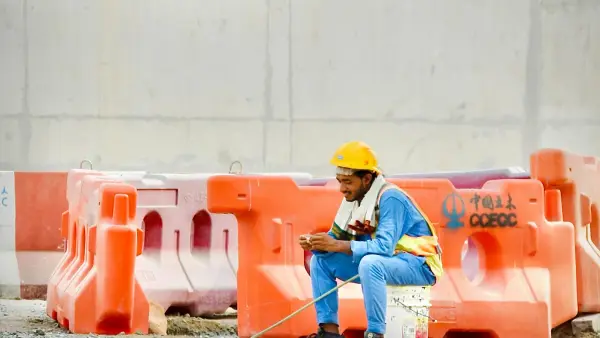
7 things men whose fathers ate standing up at job sites - twenty-minute lunches on overturned buckets, sandwiches wrapped in foil, coffee from a thermos that had seen more dawns than most people have - do around food that nobody at the restaurant table will ever fully understand, according to psychology
Class And Socioeconomic
He's 61 and just realized that every piece of furniture he owns was chosen for how long it would last, not how it looked - every sofa was tested by sitting on it hard, every table checked for wobble, every appliance judged by whether it could be repaired instead of replaced, because the boy who watched his father fix everything the middle class threw away learned that beauty was a luxury but durability was a promise you could make to a family that couldn't afford to start over
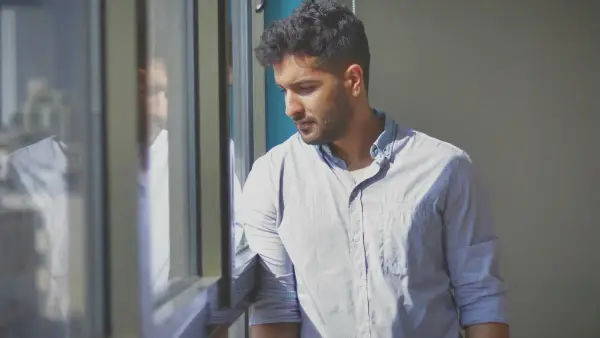
7 things men whose fathers worked with their hands do differently when they find themselves in rooms built for men who work with their words, according to psychology - the ones who check their shoes before sitting down, who hold a coffee cup like they might need to set it down quickly, and who know exactly how much the conference table cost because a man very much like their father built one just like it for somebody else's office
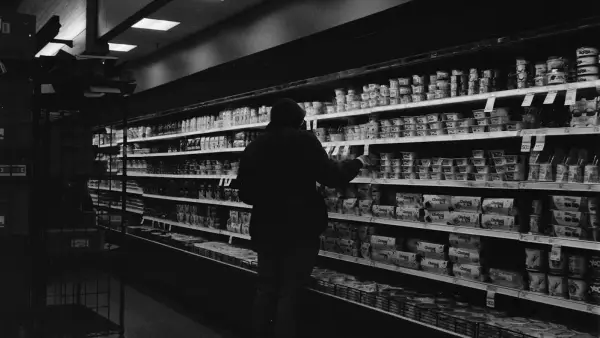
He's 59 and still checks the price of milk every time he goes to the grocery store - not because he needs to, but because a boy who watched his father's jaw go tight at the checkout register learned that the cost of a gallon was never about money, it was about whether tonight would be safe
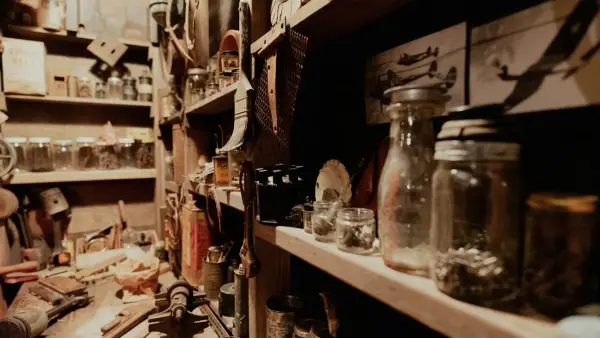
He is 60 and has just realized that he has never once thrown away a container that might be useful - that the garage holds thirty years of coffee cans with their labels scrubbed off, margarine tubs stacked six deep, and glass jars cleaned and dried and lined up on a shelf waiting for a purpose that never arrives - not because he is a hoarder or cannot let things go but because a boy who watched his mother wash out and save every container that came through the front door learned before he could name the lesson that throwing something useful away was something only families with money did, and the man at sixty keeping a cleaned-out pasta sauce jar he will never use is not sentimental but still the boy whose mother taught him that waste was the one luxury their kind of people could never afford
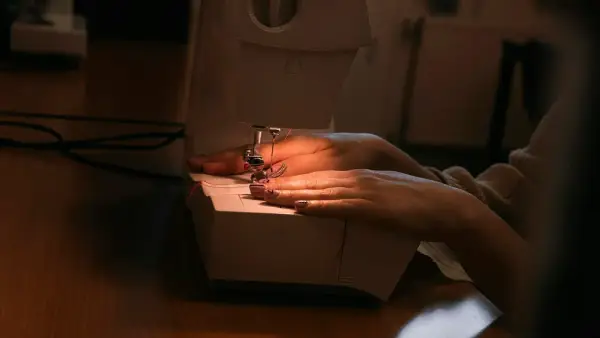
Women who still sew the button back on instead of buying a new shirt keep a tin of needles and thread in a drawer because a girl who watched her mother under the kitchen light with a needle between her teeth learned that love is something you repair with your hands

Children who were the first in their family to go to college often become adults who still edit their vocabulary in professional settings - who catch themselves mid-sentence at fifty-three and swap a word their mother would have used for one their colleagues won't notice, who learned to reference the right books and order the right wine and never once mention the apartment with the coin-operated laundry, because a girl who crossed a line her family built no bridge to never stopped wondering when someone would notice she arrived without directions
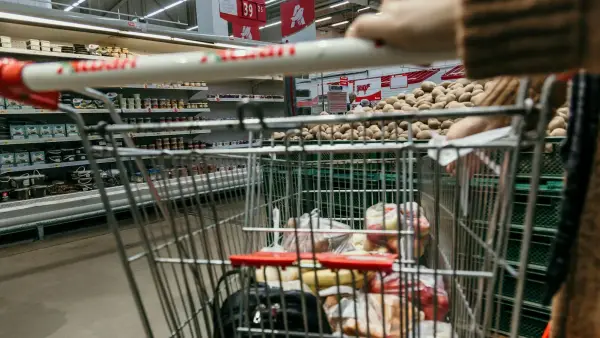
She is 61 and still counts the items in her grocery cart twice before she reaches the register - not because she cannot afford whatever is in it but because she was twelve when her mother put something back at the checkout counter while people waited behind them, and a girl who watched her mother's face change in front of a stranger's impatience learned that the distance between plenty and not enough is a single miscalculation, and the woman who has not needed to count in thirty years cannot stop
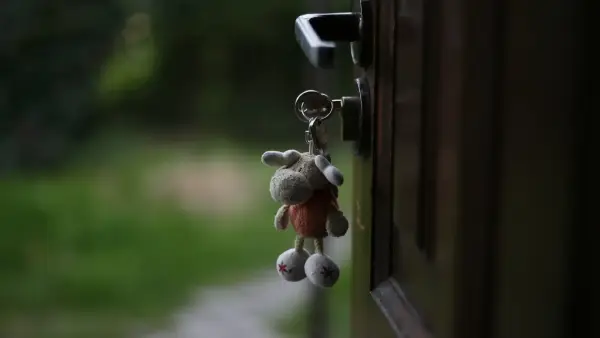
Children who were given a house key before they were given permission to have friends over often become adults who never ask for directions, never call ahead, never wait for someone to let them in - because a child who learned to enter an empty house learned that arrival is something you do alone

Children who were never taken to the doctor unless something was visibly broken - who went to school with fevers their mothers felt on their foreheads and decided were not high enough to cost a day's wages, who walked on twisted ankles because the question was never 'does it hurt' but 'can you still walk on it' - often become adults who do not know how to be sick without apologizing for the inconvenience, who schedule medical appointments and cancel them twice before going, who wait until a condition becomes an emergency because a child whose body was only worth professional attention when it stopped functioning entirely learned that pain was not a reason to stop, just a reason to be quieter about continuing
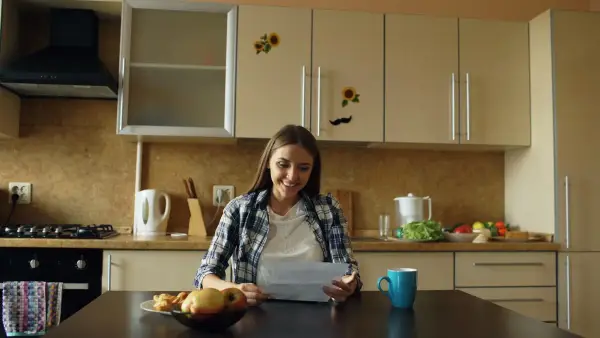
There is a kind of woman who still clips coupons even though she earns more in a month than her mother earned in a year, not out of habit and not out of thrift, but because the girl who watched her mother sit at the kitchen table on Sunday nights with scissors and the grocery circular learned that survival had a craft to it and the distance between enough and not enough was a woman's patience with a pair of scissors
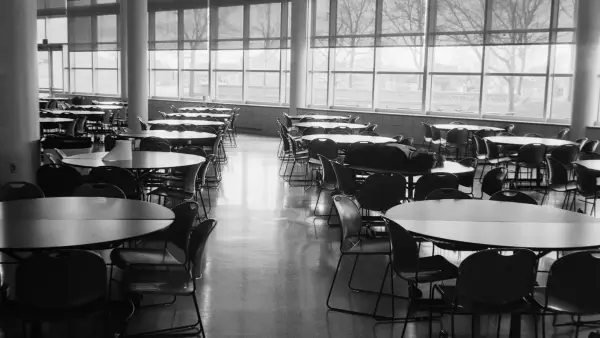
Children who grew up on the free lunch program at school - who carried a different colored ticket than the rest of the line, who learned to time their arrival at the cafeteria so nobody was watching when they handed it over, who folded the voucher so small it disappeared inside their palm before they reached the register - often become adults who cannot let anyone else pay for a meal without a specific heat rising in their face, because a child who ate on someone else's account learned before ten that hunger had paperwork and being fed was never free of the cost of being seen
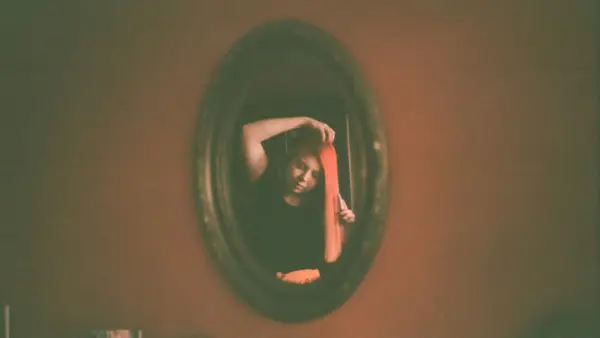
There are women who pause at the bathroom mirror during a genuine medical emergency to put on lipstick and concealer - not because they are vain but because they are daughters who learned before the age of ten that the world decides how seriously to take your pain based on how you look when you show up asking for help
People Who Lower Their Voice to a Whisper Whenever Money Comes Up in Conversation - Even in Their Own Kitchen, Even When Nobody Is Listening - Often Grew Up in Homes Where Financial Reality Was Something You Never Said at Full Volume
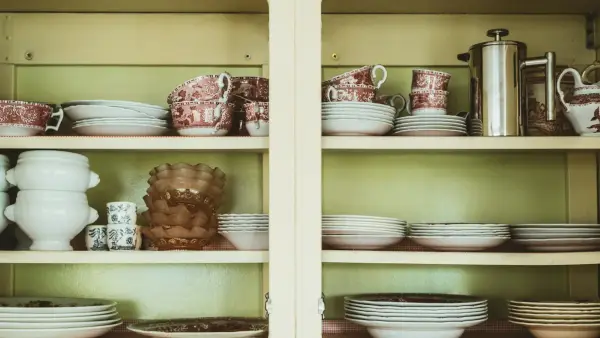
There are women who still eat off the chipped plates every night and keep the matching set behind glass for company that rarely comes - who own beautiful things they never use, who keep the guest towels pristine while drying themselves with something threadbare - not because they are practical or saving the good things for a special occasion but because a girl who watched her mother reserve every nice thing for people outside the family learned before ten that the everyday version of herself did not deserve the porcelain, and the woman at fifty-four serving her own family dinner on a cracked plate while twelve complete place settings sit untouched in the cabinet is not waiting for the right occasion but waiting for a version of her life that finally earns what she already owns
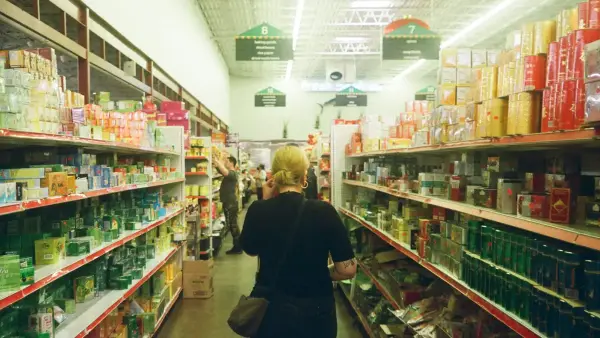
7 things people who still count the items in their shopping cart before entering the express lane - who would rather put something back than risk being the person holding up the line, who feel a flush of shame at the thought of someone behind them counting and finding them over the limit - reveal about their childhood, according to psychology
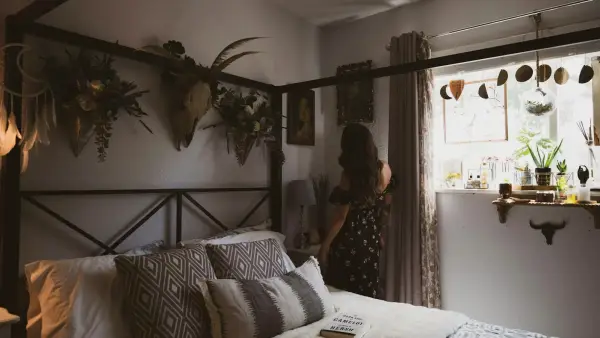
She is fifty-four and has finally understood why she still keeps every nice dress from her twenties at the back of her closet even though none of them fit anymore - not because she plans to lose the weight, not because she is saving them for a daughter who does not want them, but because a girl who wore hand-me-downs until she was seventeen and bought her first real dress with money she earned herself cannot throw away the only physical proof that she once crossed a line she was never supposed to cross, and the woman standing in front of a closet full of clothes she cannot wear is not in denial about her body - she is grieving the version of herself that finally made it, before time and motherhood and exhaustion remade her into someone the dress no longer recognizes
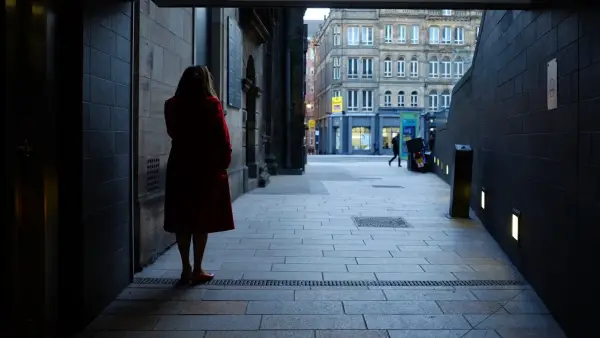
There is a kind of walking that belongs to women who grew up understanding they were taking up space that was borrowed and never owned - the woman who steps aside on a wide, empty sidewalk for a stranger still thirty feet away, who presses herself against the elevator wall before anyone has asked her to move, who has perfected a way of moving through the world that takes up almost no room at all, not because she is polite but because a girl who grew up in rooms that belonged to other people learned that her presence in any space was conditional, and the body that makes itself small at fifty-two is still the child practicing a disappearance she was never allowed to complete
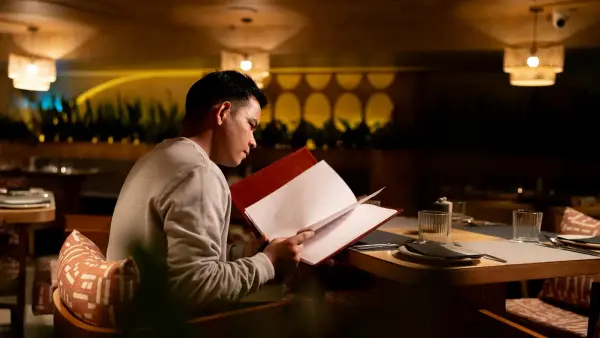
He is fifty-six and has just understood that the reason he always orders the second-cheapest thing on a menu - never the cheapest, because that would be conspicuous, and never what he actually wants, because that would be indulgence - is not frugality but the class arithmetic a child installed at a table where his father's eyes always went to the prices before the food, and the man scanning the right side of the menu at fifty-six is not being careful with money but is still the boy who learned that wanting the thing you actually want is a luxury people like them had not earned
There are women who still iron everything - the pillowcases, the dish towels, the undershirts nobody will ever see - not because they are vain or old-fashioned but because a girl who watched her mother press the creases out of secondhand clothes until they looked new learned that the iron was not an appliance but a wand that could turn charity into dignity, and the woman at fifty-seven who irons her husband's t-shirts before folding them into a drawer is not fussy but performing the only alchemy her mother ever taught her
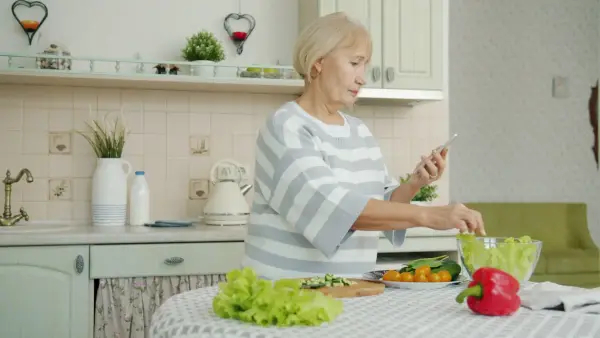
There are women who still wash and reuse aluminum foil - who smooth it flat on the counter with both hands and fold it back into the drawer even though they could buy a hundred rolls now and never notice the cost - not because they are frugal but because a girl who watched her mother make one sheet last an entire week learned that a woman's worth was measured in what she could make last, and the foil in the drawer at fifty-seven is not thrift but a love letter to a mother who made scarcity look like skill
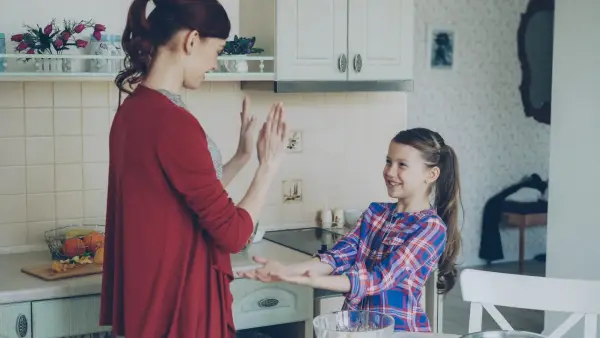
There is a kind of guilt that only people who outearned their parents understand, where the kitchen you renovated costs more than the house they raised you in, and every time your mother visits she touches the countertops the way people touch things in a museum - carefully, with the posture of someone who is not sure she is allowed to rest her weight on something this clean
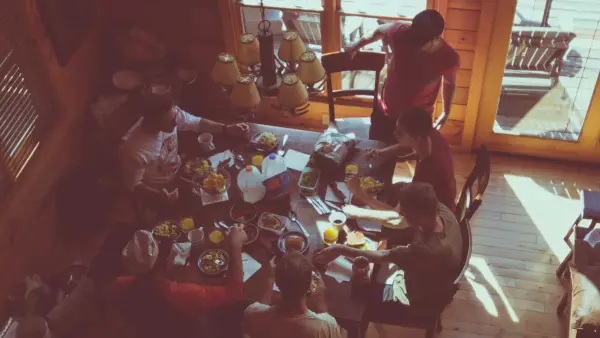
Children who grew up watching their mother serve everyone else's plate first and eat whatever was left standing at the kitchen counter often become adults who still cannot order what they actually want at a restaurant, because a girl learned at a crowded kitchen table that her appetite was the first thing that should be made smaller when there was not quite enough
7 things people who grew up without much money still do decades after they stopped needing to, that psychologists say have nothing to do with being frugal and everything to do with a nervous system that learned before age ten that the distance between enough and not enough was a distance the body never stops measuring
8 things people who grew up without much money still do decades later even when they no longer have to, according to psychology - and every single one of them began as a way to survive a house where running out of something meant someone was going to have a very bad night
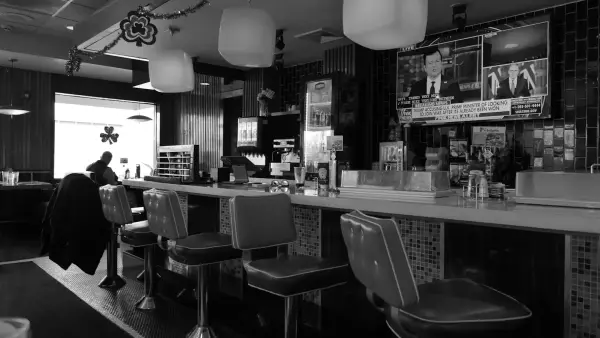
He is 59 and has finally understood why he still tips 30 percent at every restaurant even when the service is terrible - not because he is generous but because a boy who watched his mother come home from the diner with her feet so swollen she could not get her shoes off learned that the distance between a good tip and a bad one was the distance between a woman who could afford to smile at her own children when she walked through the door and one who could not
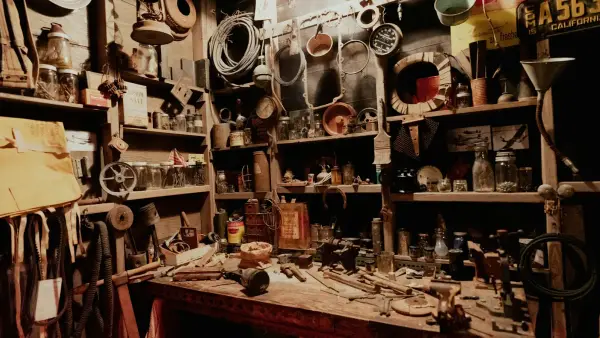
He's 61 and still keeps his father's tools in the garage even though most of them are rusted and none of them are the right size anymore - not because they're useful but because a wrench placed in a boy's hand without a word was the closest his father ever came to saying I am proud of you and the weight of the thing is the only part of that sentence he can still hold
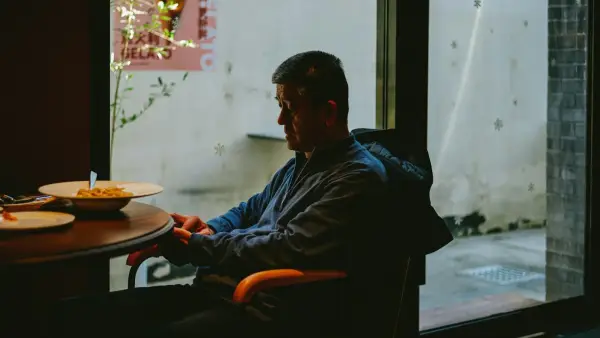
He is 57 and still checks the prices on a menu before sitting down - not because he cannot afford anything on it but because a boy who watched his mother put things back on the grocery shelf one at a time, recalculating the total after each return, learned that the cost of comfort is the quiet guilt of having outgrown the life that taught you to count
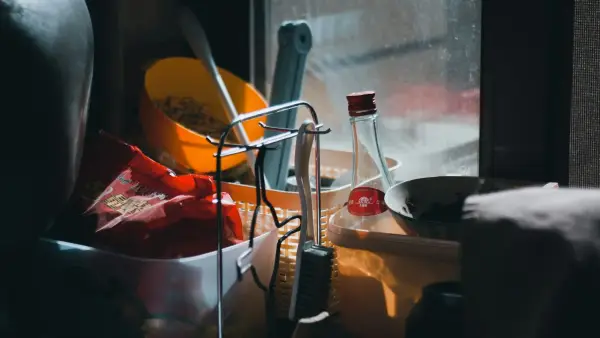
She is 57 and has just understood why she cannot bring herself to throw away a single ketchup packet - not the ones from drive-throughs or the soy sauce from takeout or the sugar packets from diners she visited three states ago - because a girl who grew up in a kitchen where running out of something small was the thing that finally made her mother sit down at the table and stop pretending everything was fine learned that free meant safe, and the drawer at fifty-seven is not clutter but the last remaining archive of a child who swore she would never live in a house where there was not enough of anything, not even ketchup
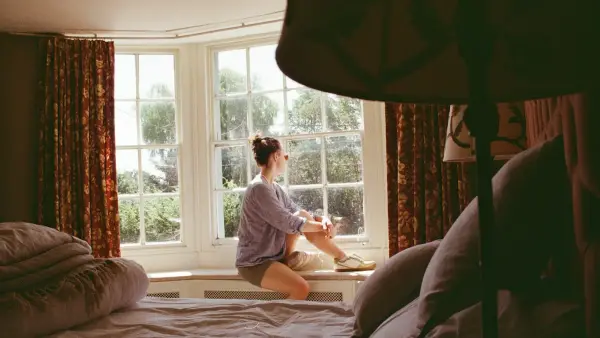
She is 54 and has just understood why she has never once returned a purchase to a store - not because every item was fine but because a girl who watched her mother stand at a returns counter while a clerk questioned the receipt learned that asking for your money back was a form of exposure, and every ill-fitting dress and wrong-shade lipstick she has kept for thirty years is not clutter but the cost of never again standing in that line and being made to feel like wanting what you paid for was something you had to prove you deserved

She's 55 and has never told anyone about the money in the coat she only wears in January - not because she plans to leave, but because a girl who watched financial dependence reshape her mother's posture learned that the distance between choosing to stay and having no choice was a hundred dollars in a place nobody thought to look
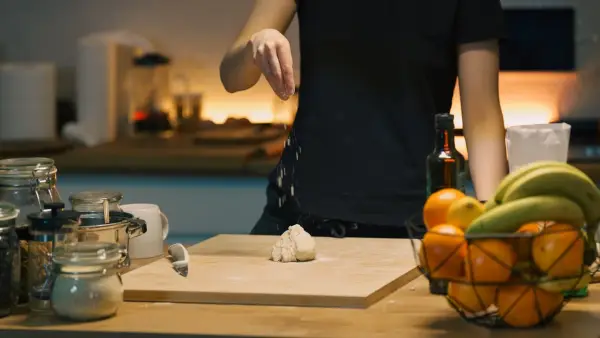
Children who watched their mothers save every container - the margarine tubs rinsed and stacked, the glass jars lined up under the sink, the plastic bags folded into triangles inside another plastic bag - often become adults who cannot throw away anything that still has one more use in it, not because they are hoarders or cannot afford new things but because a child raised by someone who survived scarcity learned that waste was the language of people who had never been afraid
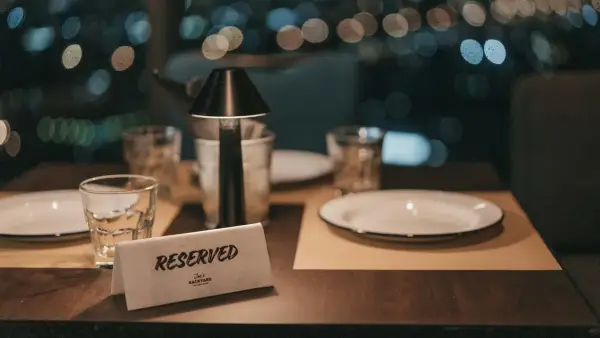
8 things psychology says about people who always overtip - who add extra to a twenty-dollar tab, who leave cash on top of a card payment, who tip on takeout nobody expects them to tip on - not because they are naturally generous but because a child who watched a parent count coins to leave something on the table learned that the tip was never about the waiter, it was proof you belong here now, according to psychology
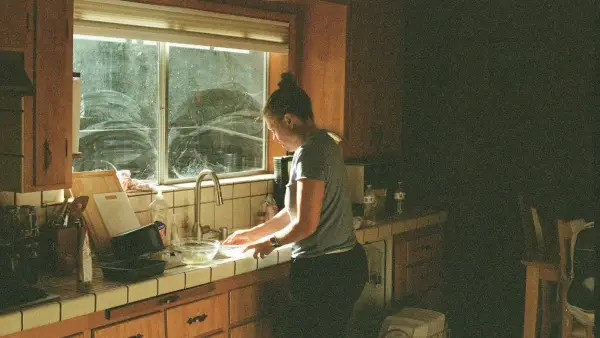
She's 54 and has never been able to explain to anyone why the smell of bleach makes her feel safe - not clean, not fresh, just safe - because a girl who grew up in a home where her mother scrubbed the kitchen floor with bleach every Saturday morning before anyone else was awake learned that the sharp sting of chlorine meant someone was holding everything together, and the bottle under her own sink at fifty-four is not a cleaning product but a continuation of the only ritual her mother ever had that was entirely her own
Class And Socioeconomic
8 things that quietly happen inside people who tip thirty percent on every meal regardless of service quality, because this is not generosity the way most people understand the word - it is a person who once watched someone they loved count coins for a meal and decided at eleven years old that if they ever had enough they would make sure no one serving them ever felt the weight of not having it, according to psychology
7 things that quietly happen to people who always know exactly how much money is in their bank account - not because they are good with money but because a child who grew up where the balance determined whether the lights stayed on never learned that checking could stop, according to psychology
People who grew up as the child their parent confided in about money - the rent is late, we can't afford that, don't tell your father what I had to borrow - often become adults who cannot hear the words 'we need to talk' without their hands going cold, because a child who was made the keeper of financial fear never learned that urgent conversations could end with anything other than bad news
He's 61 and can afford to retire but drives to the office every morning anyway - not because he loves the work but because a boy who watched his father come home from a layoff at fifty-two and sit in the same kitchen chair for three years without speaking learned that the most dangerous thing a man could be was unoccupied
He's 59 and has finally understood that the reason he cannot throw away the last bite of anything on his plate is not about waste - it is a boy who watched his mother stand at the kitchen counter eating whatever the children left behind because there was only ever enough for one real serving and she never once made herself a plate of her own

There are men who still wash their own car in the driveway every Sunday morning with a bucket and a sponge and a chamois they have owned for fifteen years, not because they cannot afford the seven-dollar drive-through car wash but because a boy who watched his father spend an entire Saturday afternoon waxing the only new thing the family had ever owned learned that care was something you performed with your own hands, and the half hour alone with the hose running is the closest he has ever come to inheriting something
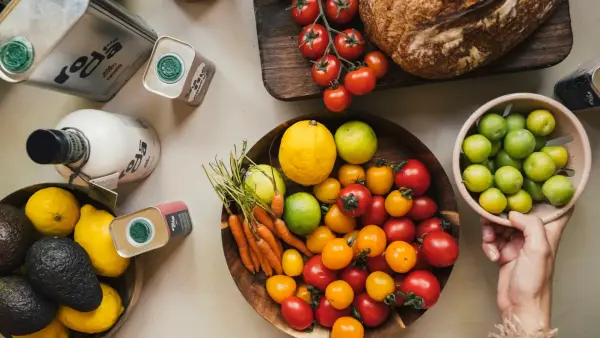
There are people who still eat the bruised part of the fruit first and save the good half for last, who always take the smaller portion and leave the bigger one, who never reach for the last of anything even in their own kitchen - and it is not politeness and it is not habit, it is a childhood that taught them the best of anything was something you earned your way toward, not something you were ever supposed to take first
There are people who still fold the wrapping paper after opening a gift, who smooth the creases with the flat of their palm and stack the folded sheets in a drawer they will never open again - not because they will reuse it but because a child who watched their mother save everything learned that throwing away something that still had shape was the one kind of waste the family budget would never forgive
There are people who buy the generic brand of everything for themselves but the name brand for their children, who eat the bruised apple so the kids get the perfect one, who wear the same coat for a decade but make sure their daughter has a new jacket every winter - and that split in every grocery cart is not thrift but the quiet math of a body that learned early its own comfort was always the first line item to be cut
Children who grew up in homes where the first question after any accident or illness was 'how much is this going to cost' often become adults who calculate the price of their own emergencies before they allow themselves to feel the pain, because a child who learned that a broken arm was first a financial problem and second a physical one never stopped doing the math before the healing
Children who grew up in homes where the electricity got shut off - not because of storms but because the bill was past due - often become adults who leave every light on in the house, and the wastefulness everyone judges them for is actually a child's quiet promise that nobody under their roof would ever sit in the dark again

He's 57 and still memorizes the price of gas at every station he passes - not because he's frugal, but because a boy in the backseat watching his father drive past station after station on a quarter tank learned to read the numbers on the signs as the only way he could help with a problem no one was allowed to name
Children who learned to make fun of their own shoes before anyone at school could often become adults who cannot receive a sincere compliment without turning it into a joke, because a child who figured out at nine that the safest version of their poverty was the one they narrated first has never stopped performing the bit that kept the real humiliation from landing
Children who grew up in houses where the groceries were budgeted to the dollar - where their mother knew the price of every item in the cart before she reached the register and a child learned to put things back on the shelf before being asked - often become adults who feel a flash of shame when someone sees what is in their shopping cart, because a body that learned to edit its wants in public never stopped performing scarcity for an audience that left the room decades ago

Psychology says men who still tip 30 percent at diners where nobody tips that much - who leave cash on the table, who overtip on coffee and haircuts and oil changes and never once put it on a card - are not generous in the way people mean when they use that word, they are boys who watched their mothers work those counters and learned before they could do long division that the difference between making rent and not was whether the man in booth four left anything at all
He's 58 and still reaches for the cheapest version of everything in the store - not because he can't afford better but because a boy who watched his father work double shifts and still worry about the electric bill learned that choosing the less expensive thing was not frugality, it was the only way he knew how to say that what earning cost his father mattered more than what spending could buy him
He's 60 and still cannot throw away food that has gone slightly bad in the refrigerator without a wave of something that has nothing to do with waste - it is a boy who watched his mother stretch every meal into two, rewrap every leftover like it was precious, and who learned before he could spell the word scarcity that throwing food away was the same as saying the hours she spent in that kitchen did not count
There is a kind of person who keeps the nice dishes in the cabinet and eats off the chipped ones, who saves the good candles and lights the cheap ones, who owns clothes they never wear because they are saving them for an occasion - and the occasion they have been waiting for is permission to believe they deserve the things they already own
She's 61 and has quietly realized the reason she tips 30 percent at every restaurant is not generosity - it is that the girl who waited tables for twelve years and counted her cash tips in the parking lot before driving home never left the booth, and the woman who pays now is still, in some quiet corner of her body, the one who depended on strangers to decide whether she could make rent
There is a kind of tiredness that belongs to people who grew up poor and built good lives, who can now afford the dinner and the vacation and the house with the second bathroom, but who still feel like guests in their own comfort, as if someone might walk in at any moment and ask them to show a receipt for the life they are living
7 things that quietly happen to people who grew up in homes where the thermostat was not theirs to touch - where warmth was a budget line and not a setting - and the comfort they built as adults has never fully reached the part of them that still hesitates before turning on the heat, according to psychology
There are people who still calculate the per-unit price of everything they put in their cart, not because they need to anymore but because a childhood spent watching a parent stand at the register quietly putting items back installed a kind of arithmetic that runs underneath every purchase they will ever make, and the comfort they built for themselves has never fully reached the part of them that knows exactly how many hours of labor a gallon of milk used to cost

There are women who have kept the good china in the cabinet for thirty years waiting for a dinner that deserves it, and the dinner never comes, not because their lives are short on occasions but because the daughter of a woman who washed and rewrapped the same holiday tablecloth every January learned before she could set the table that the beautiful things were not for today, they were for someday, and someday was the only day that never had to prove it could handle something breaking
He's 57 and has quietly realized that the reason he tips thirty percent at every restaurant is not generosity and it is not guilt - it is a sixteen-year-old boy who bussed tables on weeknight shifts and stood in the parking lot after close counting coins, and the money he leaves on the table is not for the server in front of him but for the version of himself who learned at sixteen what it feels like when someone walks away from your labor without looking back
There are people who always carry food with them - a granola bar in the bottom of every bag, crackers in a desk drawer, an apple in the glove compartment that they replace before it softens - not because they are always hungry but because a child who once sat through an afternoon with nothing to eat and no way to fix it quietly decided they would never be caught without something again, and the snack they carry at fifty-three is not a habit but a promise they made to the version of themselves who is still, at some level, waiting to be fed
Psychology says men who refuse to call a plumber even when the leak is clearly beyond what they can fix are not being stubborn and they are not saving money - they are protecting the only version of competence their father ever modeled, which was a man whose hands could fix anything, and the phone call to a professional feels less like convenience than like a quiet admission that the way they were raised was not enough
Psychology says people who keep the thermostat two degrees lower than they actually want it are not frugal and they are not practical - they are adults whose childhood taught them that comfort was something you rationed, not something you deserved, and at fifty-five the hand that reaches for the dial is still the hand of a boy who heard 'close the door, we're not heating the neighborhood' and understood that warmth was a resource you did not waste on yourself

He's 51 and has quietly realized the reason he always orders the second cheapest wine on the menu is not modesty and it is not practical taste, it is a boy who learned at eleven that wanting the thing he actually wanted was the fastest way to hear the word no, and forty years later his hand still reaches for the safe choice before his mind can stop it

Children who were the first in their family to go to college often become adults who carry an impossible guilt about every conversation that goes over their parents' heads, because the education that was supposed to lift everyone quietly became a border they crossed alone
Psychology says people who check the right-hand column of every restaurant menu before reading what is on it aren't being cheap, they are nervous systems that learned to price the room before they learned to read it, and the decision about whether they belong at this table was made before they opened the water glass
Psychology says people who grew up without money and now over-thank the waiter, apologize for requesting the table they reserved, and keep saying "if that's okay" at restaurants where it was always going to be okay are not being polite, they are a grown adult's nervous system still paying an entrance fee it learned, at seven years old, was the only reason a room like this would let them stay
He's 64 and has finally understood that the reason he still washes out ziploc bags and saves every takeout container in the back of the cabinet is not frugality and it is not a habit he can't break, it is that the boy who once watched his mother stretch a single grocery-store chicken across three separate dinners never learned how to throw away proof that his family had once eaten well
8 things that quietly happen in your body when you walk into a room full of people who grew up with more money than your family ever had, and the discomfort you feel is not insecurity but a nervous system that spent its childhood memorizing which spaces were not built for people like you, according to psychology
She's 58 and has finally understood that her dearest friend from childhood did not stop calling because she stopped caring, she stopped calling because somewhere around the fourth promotion their conversations began to carry an invisible price tag and the friendship that had survived twenty-five years of everything else could not survive one of them moving into a tax bracket the other could not afford to follow her into
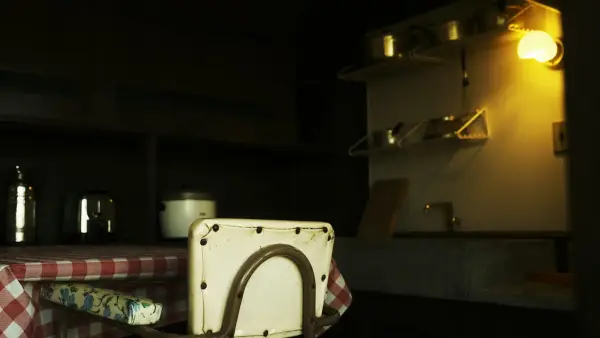
Psychology says men who lie awake at 3am running through the family finances in their head aren't worriers - they were taught that carrying the weight quietly was their form of love, and by the time they learn that worry was never the same as devotion, their bodies have already spent thirty years bracing for a crisis that never came
There are people who will never walk through a grocery store without doing the math in their head, adding as they go, rounding up, bracing for the total, and it has nothing to do with what is in their bank account now but everything to do with what was missing when they were ten
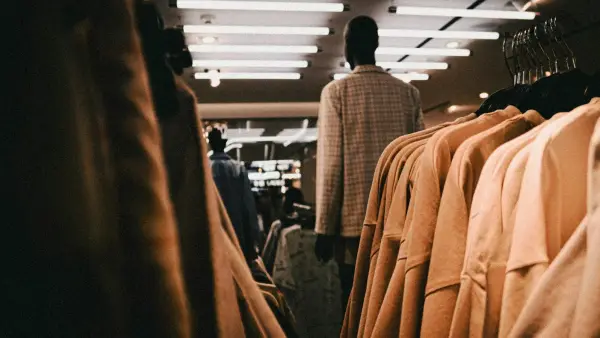
He's 56 and earns more than his father made in a decade, but he still can't walk past the clearance rack without checking it first, because the boy who wore hand-me-downs to school is still deciding what he deserves
8 things people who grew up without enough money still do decades later even after they've made it, and every single one started as a survival instinct their nervous system refuses to retire, according to psychology
People who grew up watching their parents count change at the kitchen table often become adults who can earn six figures and still feel a jolt of panic when the waiter brings the check, not because the money isn't there but because their body never got the update that the emergency is over
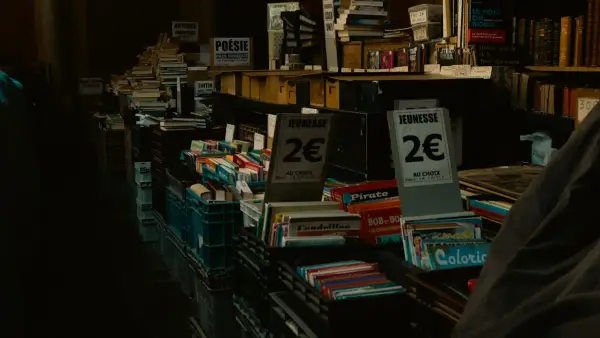
Psychology says people who escaped poverty and built comfortable lives still flinch at restaurant prices and calculate the cost-per-wear of every shirt they buy, because the nervous system that learned 'not enough' at seven doesn't read bank statements